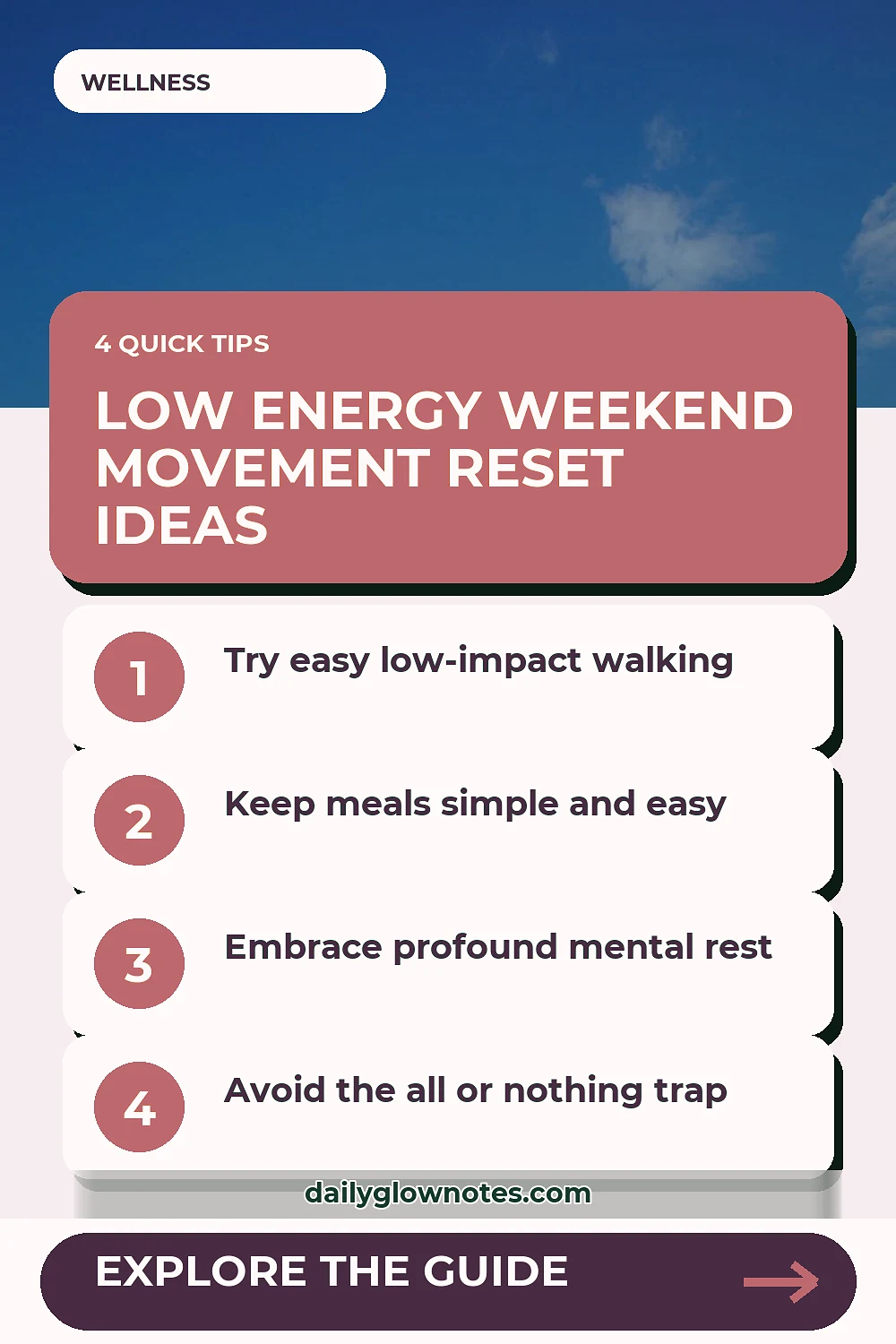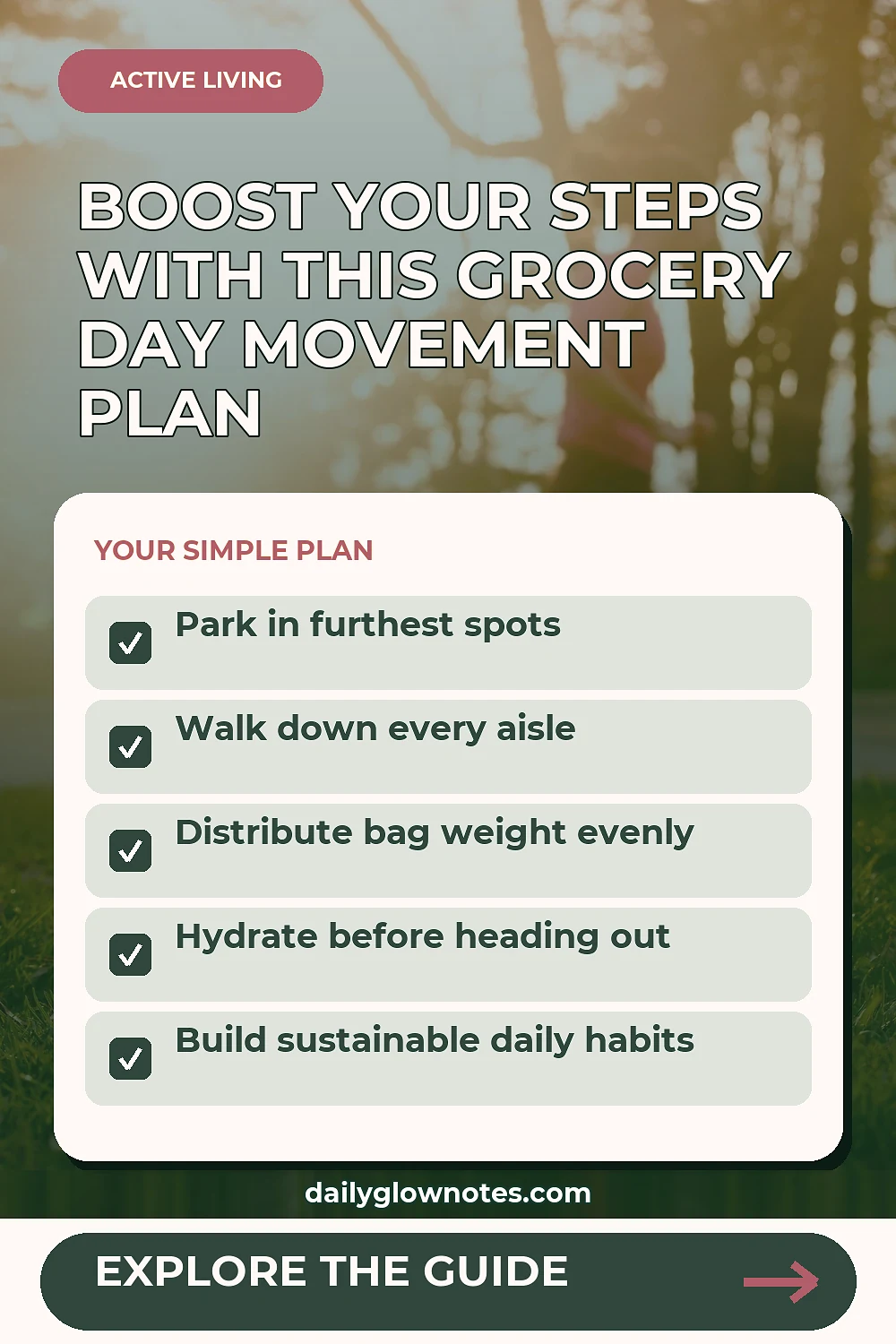

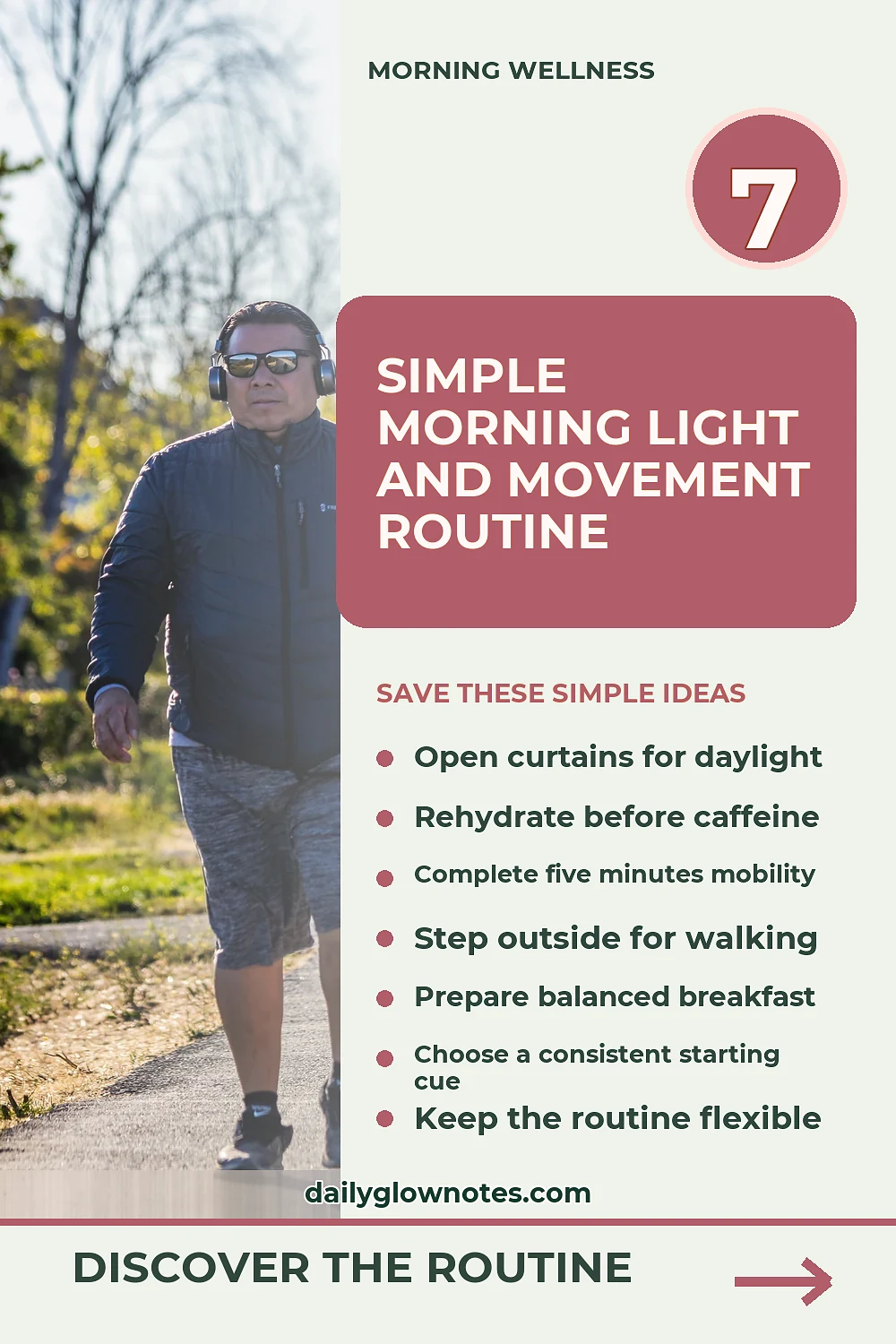
Low-energy mornings often make starting a daily physical routine feel like an uphill climb. When you wake up tired, the gap between opening your eyes and putting on walking shoes can feel impossibly wide. Instead of relying on willpower or aggressive alarm clocks, structuring your environment can gently guide your body from rest into steady action. A predictable morning light and movement routine removes early decision fatigue, helping you transition smoothly into active living.
By arranging your environment the night before and following a sequence that relies on natural sensory cues, you build momentum without overwhelming your system. This simple five-step sequence focuses on light exposure, hydration, gentle home movement, preparation for outdoors, and balanced nourishment to support your daily energy and sustainable weight management goals.
Step 1: Open the Curtains for Immediate Natural Daylight
The first action in your morning light and movement sequence requires minimal physical effort but delivers a strong biological signal. As soon as you step out of bed, open your bedroom or kitchen curtains wide to let natural daylight flood the space. Daylight entering the eyes helps signal to your internal clock that the sleep cycle is ending and the active day has begun.
On dim or overcast mornings, turning on a bright overhead light in the kitchen serves a similar purpose. The primary goal is to shift your immediate environment from darkness to brightness, which naturally helps clear morning brain fog and sets a purposeful tone for the rest of your sequence.
Step 2: Rehydrate Before Reaching for Caffeine
After hours of sleep, your body naturally needs fluids. Before brewing coffee or checking early notifications, walk directly to the kitchen counter and drink a full glass of room-temperature water. Keeping a clean glass or filled water bottle ready on the counter serves as a helpful visual reminder.
Proper morning hydration supports normal digestion and overall vitality, making physical movement feel far more comfortable. If you prefer, add a splash of fresh lemon juice for taste, but keep the focus on simple, consistent fluid intake before starting any physical activity.
Step 3: Complete Five Minutes of Household Mobility
Transitioning straight from bed to a structured workout can feel abrupt. Inserting five minutes of easy, familiar movement around the kitchen or living room acts as a gentle bridge. Rather than complex stretches, focus on continuous, low-impact actions that warm up your joints.
- Reach upward toward the ceiling while taking slow, deep breaths.
- Gentle torso twists side to side while standing near the counter.
- Slow ankle rolls and calf raises while waiting for water to boil or coffee to brew.
- Side-to-side step touches to get your feet moving naturally.
This brief window of household movement increases circulation and signals to your muscles that it is time to move, all while staying entirely within your comfort zone.