
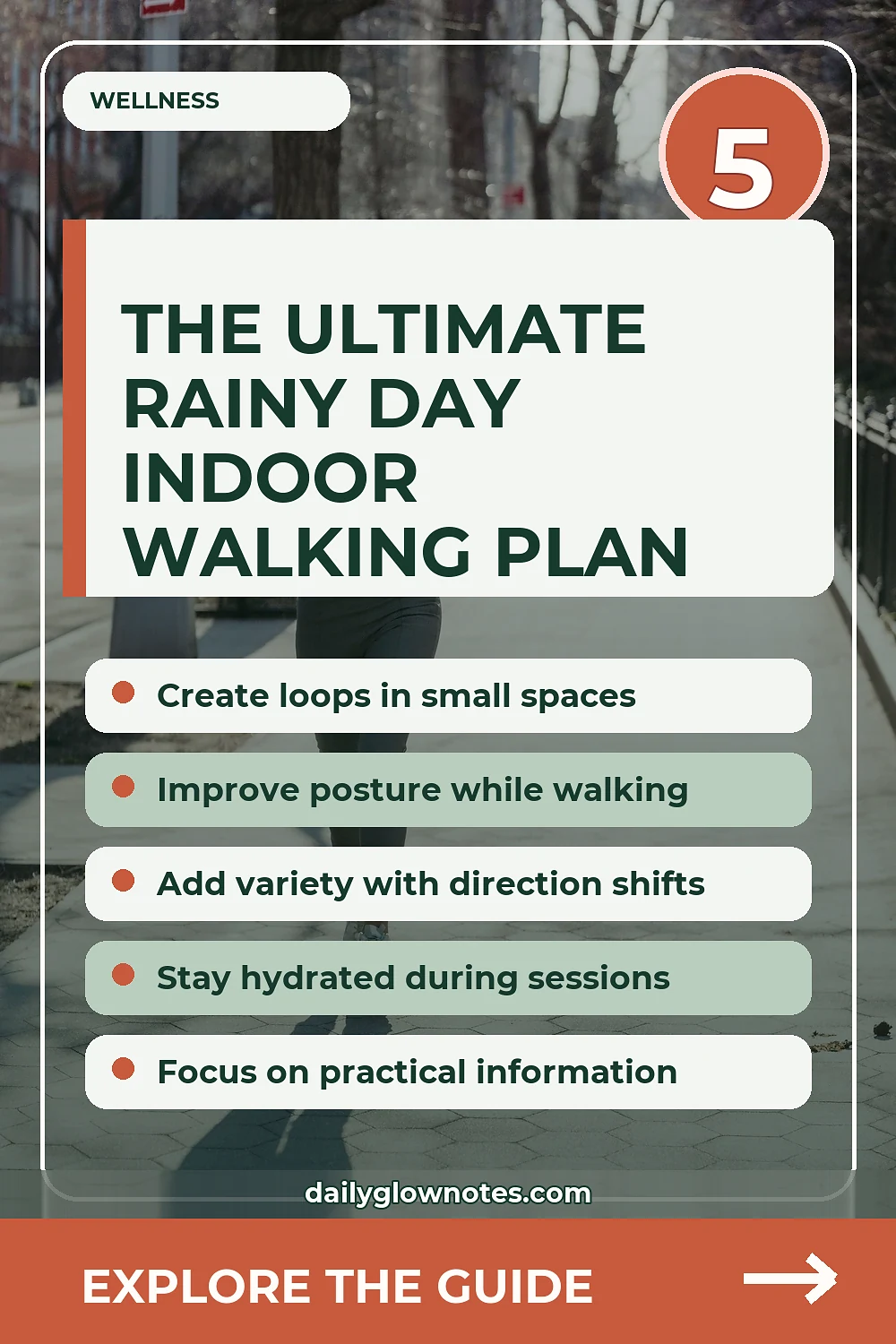
A Rainy-Day Indoor Walking Plan Without Special Equipment becomes easier to understand when the main ideas are organized into practical, realistic steps. This guide explains the core considerations and shows how to apply them thoughtfully in everyday life. When the sky turns a familiar shade of slate gray and the wind picks up, your usual outdoor walk through the neighborhood can suddenly feel like an endurance test rather than a refreshing break. It happens to everyone who prioritizes movement: the weather simply does not cooperate. Instead of letting your momentum slide, you can turn your home into a viable, low-impact exercise space. You do not need a treadmill, fancy equipment, or a large dedicated gym area to keep your heart rate up and your legs moving when you are stuck indoors.
Designing Your Home Loop
The secret to indoor walking is shifting your perspective on your living space. Most homes, even smaller apartments, have enough clearance to create a functional loop. Start by identifying the longest clear path in your house. This might be a hallway, or it could be a circuit that takes you from the kitchen, through the living room, and back around a kitchen island or dining table. The goal is to avoid sharp, repetitive turns that might strain your ankles or knees. Clear any clutter from the floor—shoes, stray books, or cords—so you can walk with a natural, confident stride without looking down constantly. If you have a hallway, use it as your straightaway where you can focus on posture and pace. If you have an open-concept living area, treat the perimeter as your track. By mapping out a route that allows for twenty to thirty continuous steps before needing to turn, you create a rhythmic flow that mimics the ease of outdoor walking. This consistency is far more important for your long-term wellness than high-intensity bursts that leave you feeling drained.
Establishing a Rhythmic Pace
When walking outdoors, we rely on the changing scenery to keep us engaged. Inside, the scenery is static, which means you need to create your own internal motivation. Music, podcasts, or audiobooks are excellent tools, but consider the cadence of what you listen to. A high-tempo playlist can naturally encourage a brisker pace, while an engaging audiobook might lead you to walk at a more leisurely, steady speed for a longer duration. To make your indoor session feel purposeful, focus on your gait. Keep your shoulders relaxed, your head held high, and your core gently engaged. When you walk, try to land softly on your midfoot and roll through to your toes. This simple focus on form not only protects your joints but also turns a simple walk into a mindful practice. If you find your mind wandering or your pace lagging, check your posture. A tall spine often leads to more energetic movement. For those who enjoy tracking progress, you might find that maintaining a steady twenty-minute session feels just as restorative as a longer outdoor trek, provided you stay consistent.