
Staring at a glowing screen for eight hours a day leaves little room for traditional workouts. By the time the workday ends, evening fatigue sets in, and hitting a daily movement target feels like an uphill battle. If your routine keeps you chained to a chair, you are likely familiar with the sluggish feeling that creeps in around mid-afternoon. Long hours at a desk do not just drain your energy; they stall your natural daily activity levels.
Reaching a modest yet meaningful movement goal like 7,000 steps does not require spending hours on a treadmill or completely upending your professional schedule. Instead of carving out massive blocks of time you simply do not have, the secret lies in strategic habit-stacking. By weaving micro-movements into your existing workday, you can steadily accumulate steps without ever falling behind on your emails.
The Anatomy of a Desk Job Step Routine
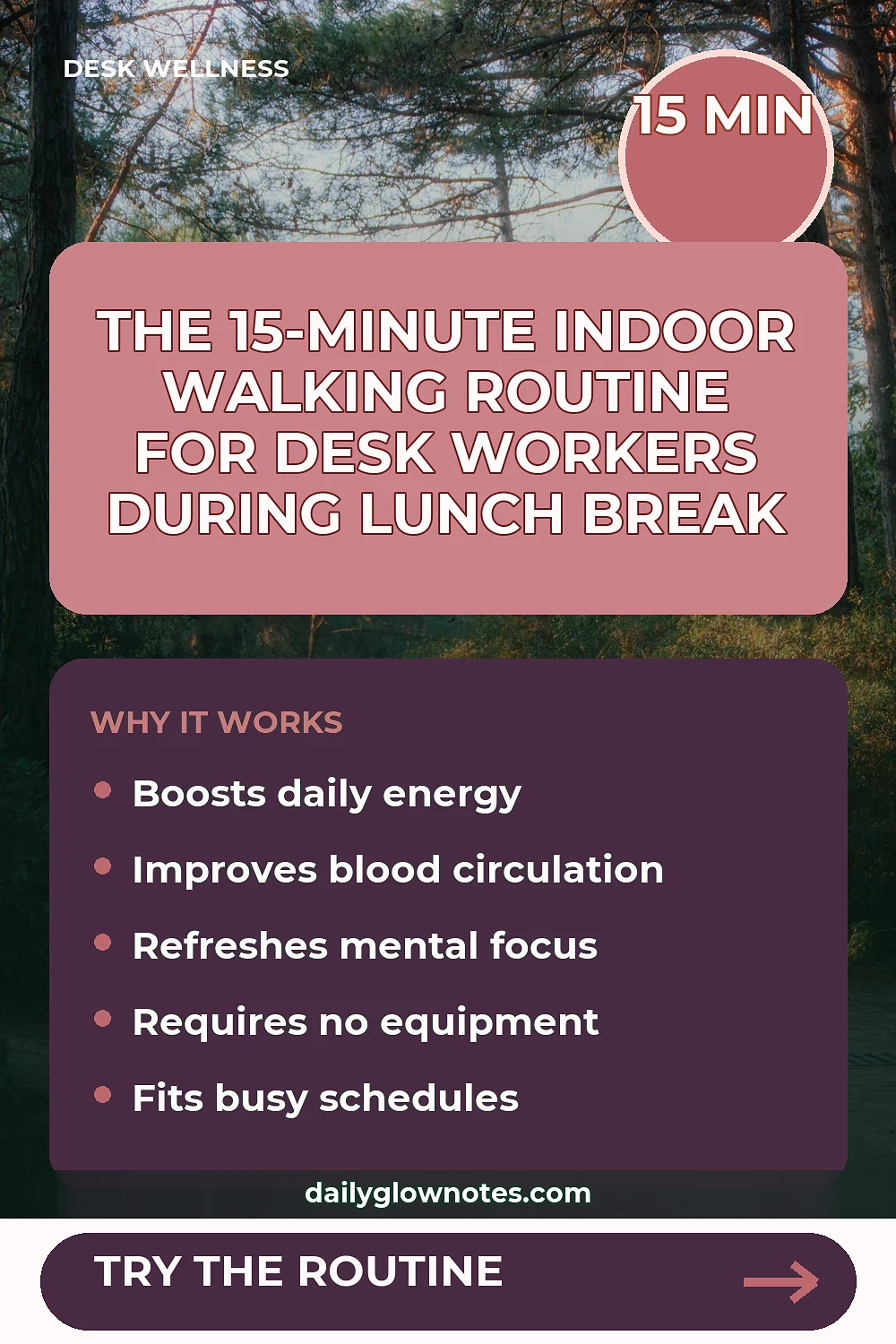
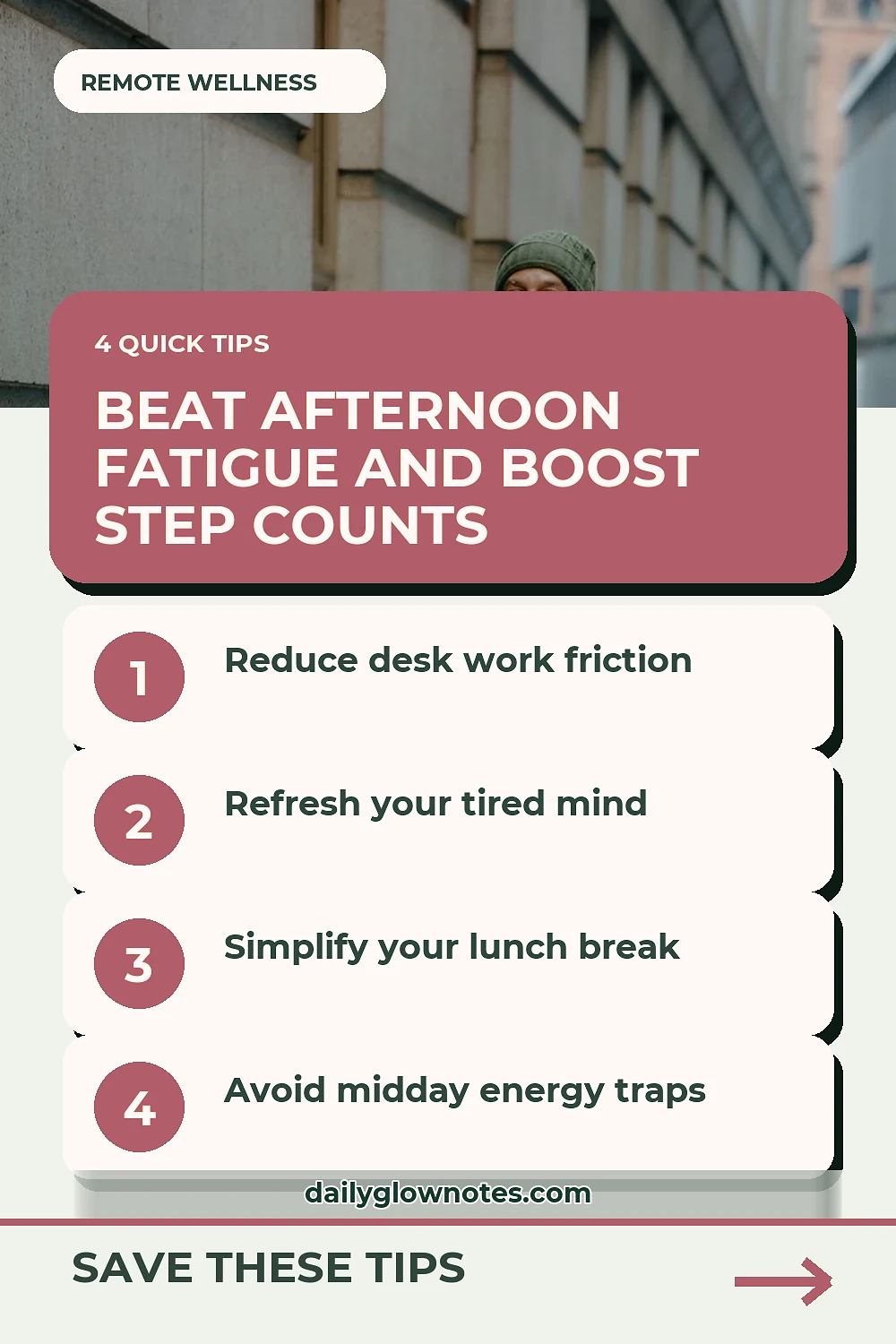
Sedentary work environments create artificial barriers to movement. To overcome this, you need a system that removes friction. A solid desk worker step goal routine relies on breaking your daily target into bite-sized increments rather than waiting for a single long walk. When you aim for chunks of five to ten minutes scattered throughout the day, the numbers add up surprisingly fast.
Think of your workday as a canvas for gentle, low-impact activity. You do not need specialized athletic gear or a standing desk conversion to get started. All it takes is a willingness to claim small pockets of time that already exist in your schedule.
Morning and Pre-Work Momentum Boosters
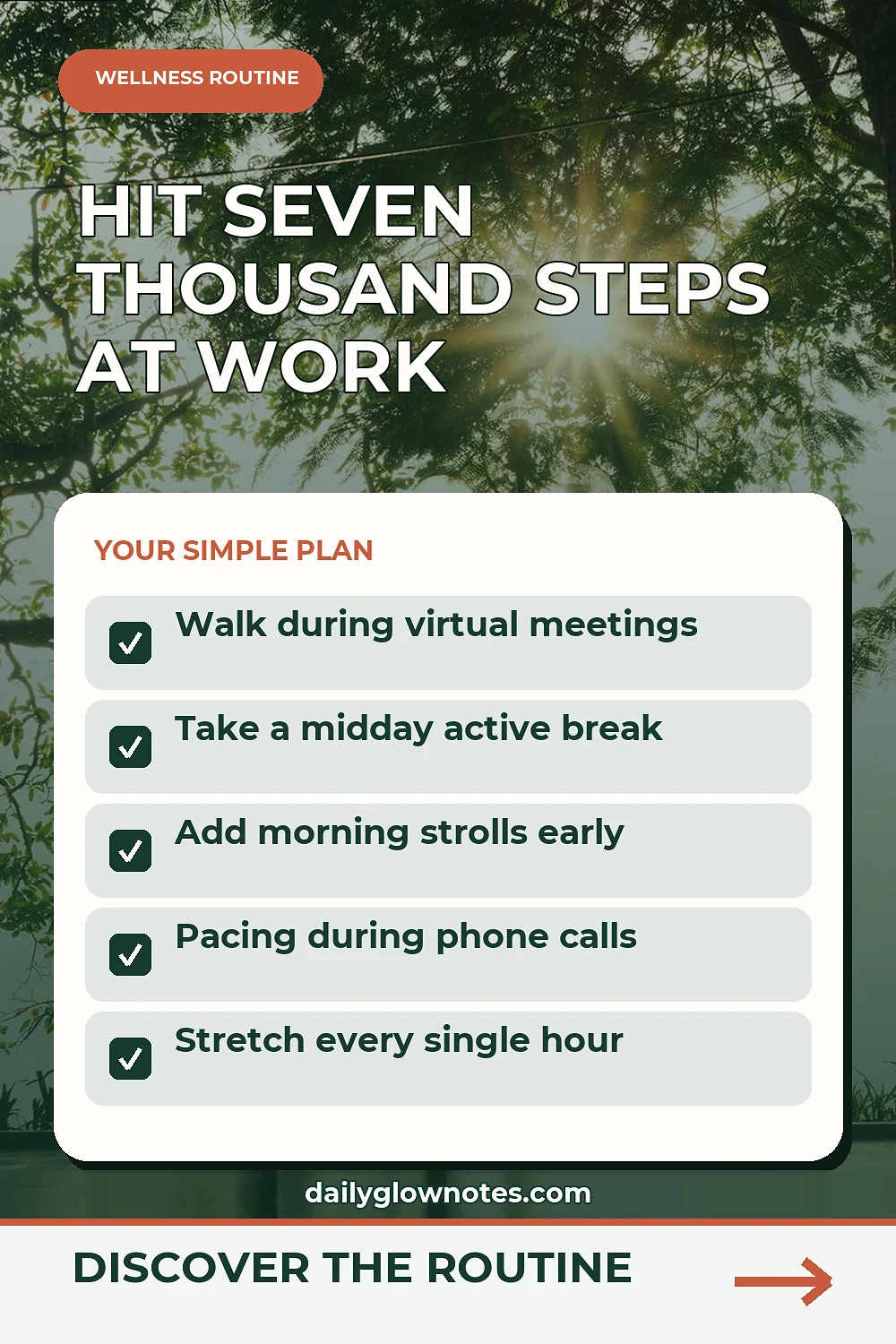
Your journey toward daily movement begins before you open your laptop. Morning habits set the physiological and mental tone for the hours ahead. Instead of rolling straight from bed to your desk chair, introduce a short ten-minute neighborhood stroll right after waking up. This morning fresh air not only initiates your step count but also helps regulate your circadian rhythm and boosts natural morning alertness.
If you commute to a physical office, consider getting off public transit one stop early or parking at the far end of the lot. For remote workers, mimicking a commute with a brisk morning walk around the block tricks your brain into shifting from rest mode to productive mode while banking several hundred steps before your first meeting.
Integrating Movement into Back-to-Back Meetings
Virtual meetings are the primary culprit behind workplace sedentariness. However, they also offer a hidden opportunity for stealth movement. Not every gathering requires you to stare intently at a webcam. For audio-only calls or large presentations where your camera remains off, you have immediate freedom of motion.
Pacing quietly around your home office or pacing the perimeter of an empty conference room can easily yield a thousand steps during a single thirty-minute sync. If pacing is not an option, invest in a reliable pair of wireless headphones and take your one-on-one phone check-ins outside for a walking meeting. You will often find that walking while talking actually sparks clearer thinking and more dynamic conversation.