
Maintaining skin resilience and healthy aging on a vegetarian diet comes down to understanding how the body builds its own structural proteins. While plants do not contain ready-made collagen, they provide an abundance of the specific amino acids, vitamins, and minerals required for natural collagen synthesis. For adult women navigating mature-skin wellness, the key is moving beyond simple protein intake to focus on nutrient synergy. Combining the right plant foods ensures your body receives the essential co-factors, such as vitamin C and copper, which act as catalysts in the body's internal protein-building pathways.
As we age, the natural production of structural proteins in the dermis begins to slow down. This gradual decline can lead to changes in firmness, elasticity, and overall texture. For those following a vegetarian or plant-forward lifestyle, supporting this internal process involves looking closely at how different nutrients interact. Rather than relying on a single ingredient, a successful approach integrates a diverse array of colorful vegetables, legumes, nuts, and seeds to supply the full spectrum of building blocks necessary for vibrant, resilient skin tissues.
Understanding Plant-Based Collagen Support
The human body synthesizes collagen by linking together specific amino acids, primarily proline, glycine, and hydroxyproline. While animal products contain these in pre-formed structures, plant foods offer the individual amino acid components. By consuming a varied vegetarian diet that includes beans, lentils, quinoa, and soy products, you can easily gather all the necessary amino acids. Furthermore, understanding plant-based collagen support means recognizing that your digestive system breaks these proteins down and then reassembles them with the help of vital minerals and vitamins to support skin integrity.
In addition to amino acids, maintaining optimal skin health requires protecting existing structures from oxidative stress. Environmental factors, daily stressors, and natural metabolic processes generate free radicals that can degrade structural proteins over time. Incorporating antioxidant-rich plant foods helps neutralize these unstable molecules, preserving the integrity of your skin matrix. This protective aspect is just as crucial as providing the nutritional building blocks, creating a dual-action strategy for long-term radiance and graceful aging.
The Essential Role of Vitamin C and Co-Factors
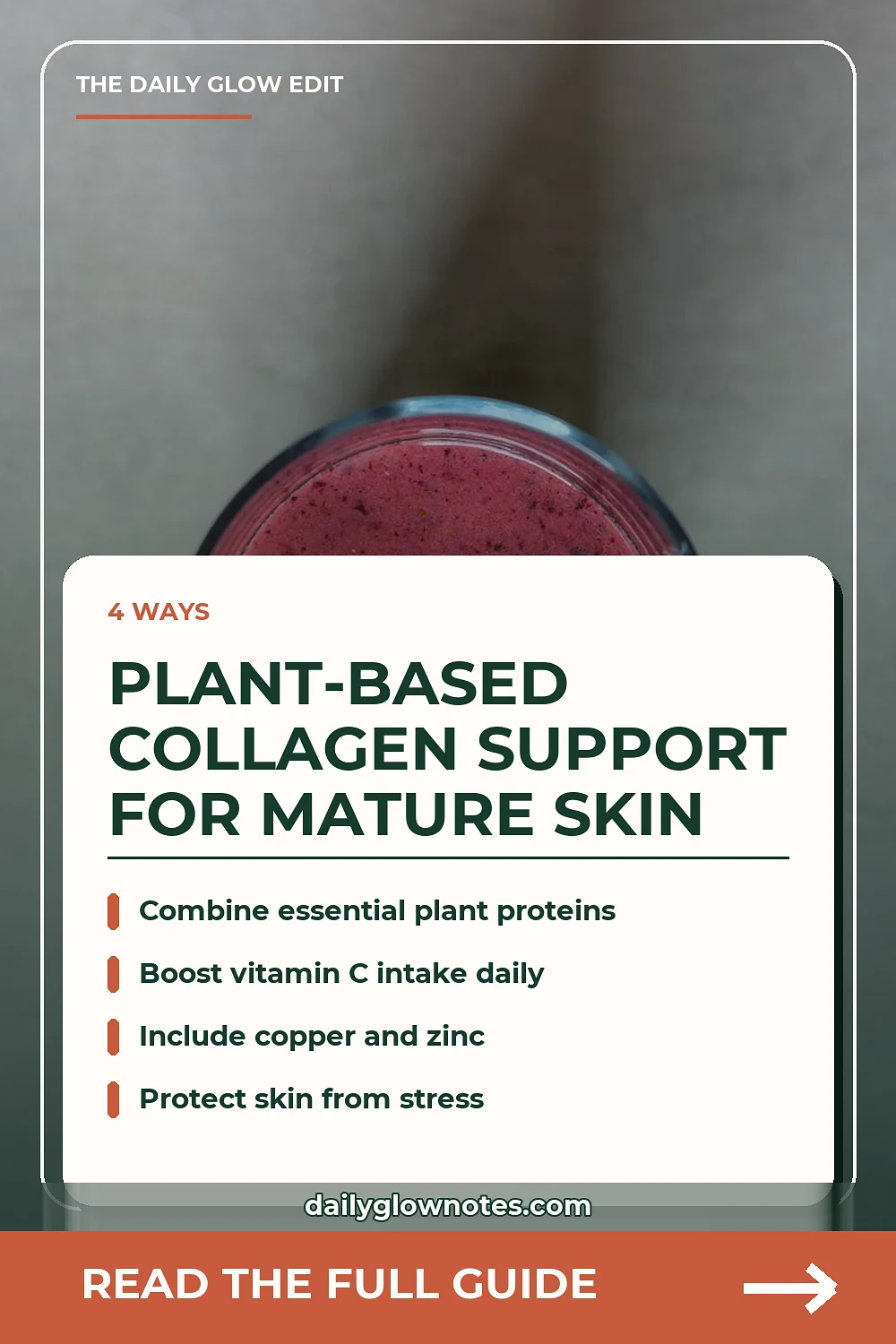
Building strong connective tissue requires more than just building blocks; it requires active participants. Vitamin C is perhaps the most critical nutrient when looking at nutrients that support natural collagen production in vegetarian meals. Without adequate vitamin C, the enzymes responsible for stabilizing collagen molecules cannot function efficiently. Fortunately, incorporating vitamin C-rich foods like bell peppers, citrus fruits, and dark leafy greens into your daily meals is entirely achievable. When paired with plant proteins rich in proline and glycine, these co-factors help create a comprehensive nutritional foundation for vibrant, resilient skin from within.
Beyond vitamin C, minerals like copper and zinc play specialized supporting roles in enzymatic reactions necessary for cross-linking collagen fibers. Copper, found abundantly in sesame seeds, cashews, and lentils, acts as a cofactor for lysyl oxidase, an enzyme essential for giving collagen strength and stability. Zinc supports cellular repair and regeneration throughout the epidermal layers. By intentionally including these micronutrients in your daily rotation, you ensure that the internal machinery responsible for skin maintenance has every tool it requires to perform at its absolute best.