
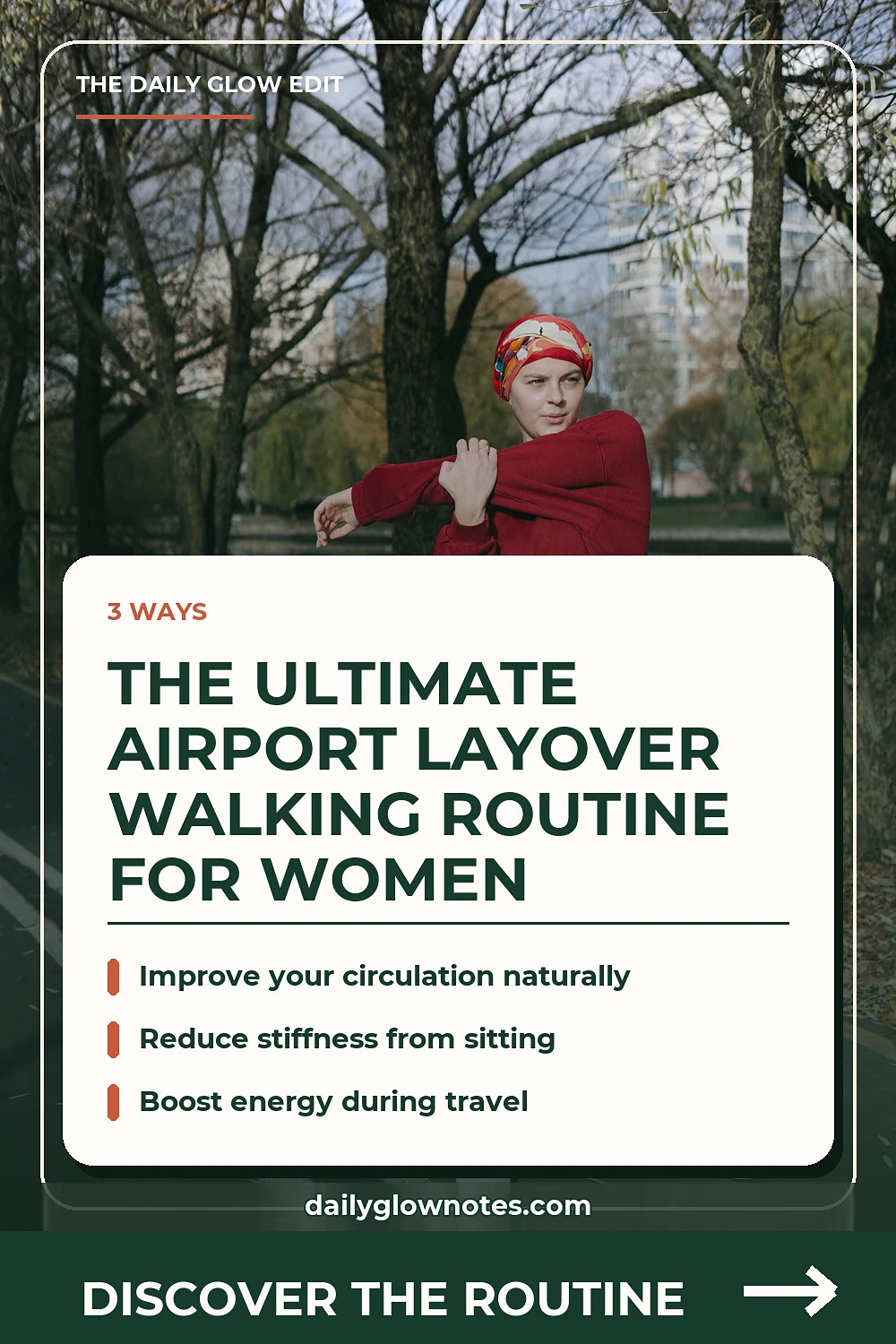
Stuck in a terminal for three hours with nothing but a coffee shop and a row of uncomfortable chairs isn't exactly how anyone wants to spend their travel day. Yet, that downtime offers a unique opportunity to reset your body before the next flight. An effective airport layover walking routine for women isn't about running laps or breaking a sweat in a crowded corridor; it is about intentional, low-impact movement that keeps your circulation moving and your energy levels steady.
Mapping Your Terminal Circuit
The first step in turning your layover into a mobility session is identifying your "loop." Most major airports are designed as long, continuous terminals, which are perfect for walking. Before you settle in, take a quick scan of the terminal map near your gate. Look for the furthest points of the concourse. Your goal is to create a route that allows you to walk continuously without weaving through dense crowds or stopping every ten feet for a gate agent.
If you have a carry-on suitcase, ensure it has smooth-rolling wheels. A heavy bag can turn a relaxing walk into an awkward shoulder strain. If you are traveling with a rolling suitcase, use it as a stabilizer rather than a burden. Keep your posture upright, engage your core, and switch hands every few laps to keep your muscle usage balanced. If your bag is too cumbersome, find a secure locker or luggage storage area early. Investing that small amount of time to store your bags pays off when you can move freely and comfortably for the next hour.
Gate-Area Mobility and Low-Impact Stretching
Walking is the primary goal, but standing still at the gate can be just as taxing on your muscles as sitting. When you do stop, use the space around your gate to perform simple, low-impact mobility moves. Find a quiet corner or a less crowded seating bank. Focus on gentle movements that open up the hips and shoulders—areas that often tighten up during long flights. Gentle calf raises, slow neck rolls, and side-body stretches can help alleviate the stiffness that accumulates during travel. If you feel hesitant about doing these in public, remember that many seasoned travelers are doing the exact same thing; purposeful, quiet movement is rarely noticed by others who are just as eager to stretch their legs.
Consistency is the secret to making this work. Just like when you plan your first outdoor cardio week for sustainable success, you don't need to overcomplicate the logistics. Start with 15 minutes of walking, then take a five-minute break to hydrate and stretch. Repeat this cycle until you are close to boarding time. This approach keeps your heart rate elevated enough to feel alert but low enough that you won't arrive at your next gate needing a shower.