
What to Pack in Your Carry-On for a Calmer Flight Experience becomes easier to understand when the main ideas are organized into practical, realistic steps. This guide explains the core considerations and shows how to apply them thoughtfully in everyday life.
Traveling can often trigger subtle physical and mental tension, especially for frequent flyers looking to maintain their equilibrium while navigating busy terminals and cramped cabins. Building a dependable carry-on routine relies on selecting items that actively soothe your senses rather than just filling space in your bag. When you curate your personal flight kit with tactile comfort in mind, you create a portable sanctuary that helps ground your nervous system during unexpected delays or turbulence. By focusing on sensory adjustments and thoughtful preparation, you can transform a standard travel day into an opportunity for restorative calm.
The Power of Tactile Textures and Weighted Comfort
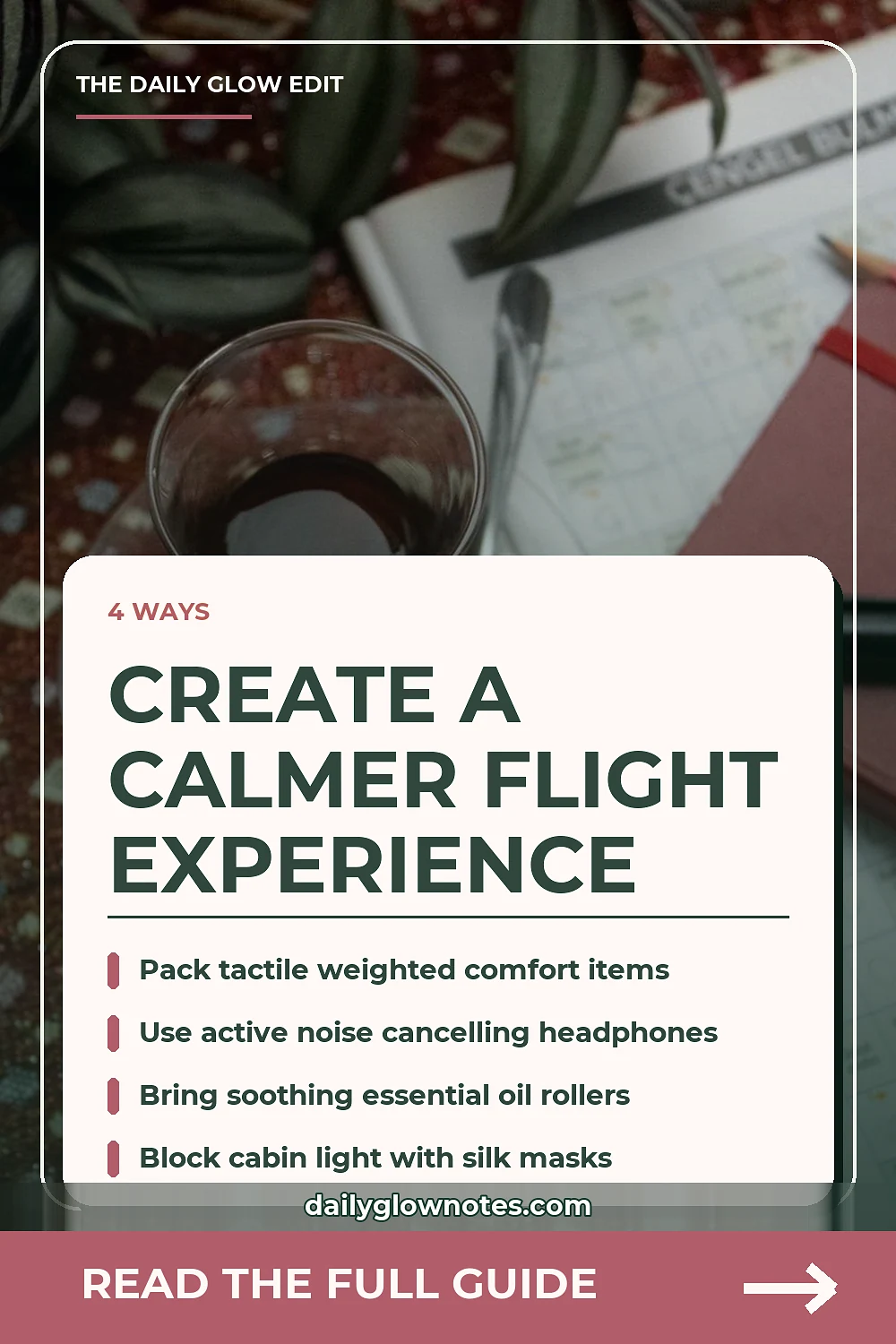
Physical sensations heavily influence our emotional state, particularly in environments like airplane cabins where control is limited. Packing a soft, tactile object like a cashmere wrap, a textured scarf, or a compact weighted neck wrap provides gentle deep-pressure stimulation. This physical input signals safety to the body, helping to counteract the subtle adrenaline spikes caused by takeoff and motion. Instead of relying on bulky garments, choose versatile layering pieces that double as comfort items. Holding a smooth worry stone or wearing breathable, natural fabrics also anchors your attention to the present moment, creating a quiet physical anchor away from home.
Auditory Isolation Through Active Soundscaping
Cabin noise consists of a relentless hum of engines, air conditioning units, and muffled conversations that can subtly fray your nerves over a multi-hour journey. Over-ear active noise-canceling headphones create an immediate boundary between your personal space and the bustling environment around you. Pairing these headphones with a curated offline playlist of ambient soundscapes, instrumental tracks, or guided relaxation sessions allows you to design your auditory atmosphere. If you prefer a lower-profile option, moldable silicone earplugs offer a reliable seal without electronic bulk. Managing your auditory exposure significantly reduces cognitive fatigue, leaving you feeling less drained upon arrival.
Lighting Control and Visual Grounding
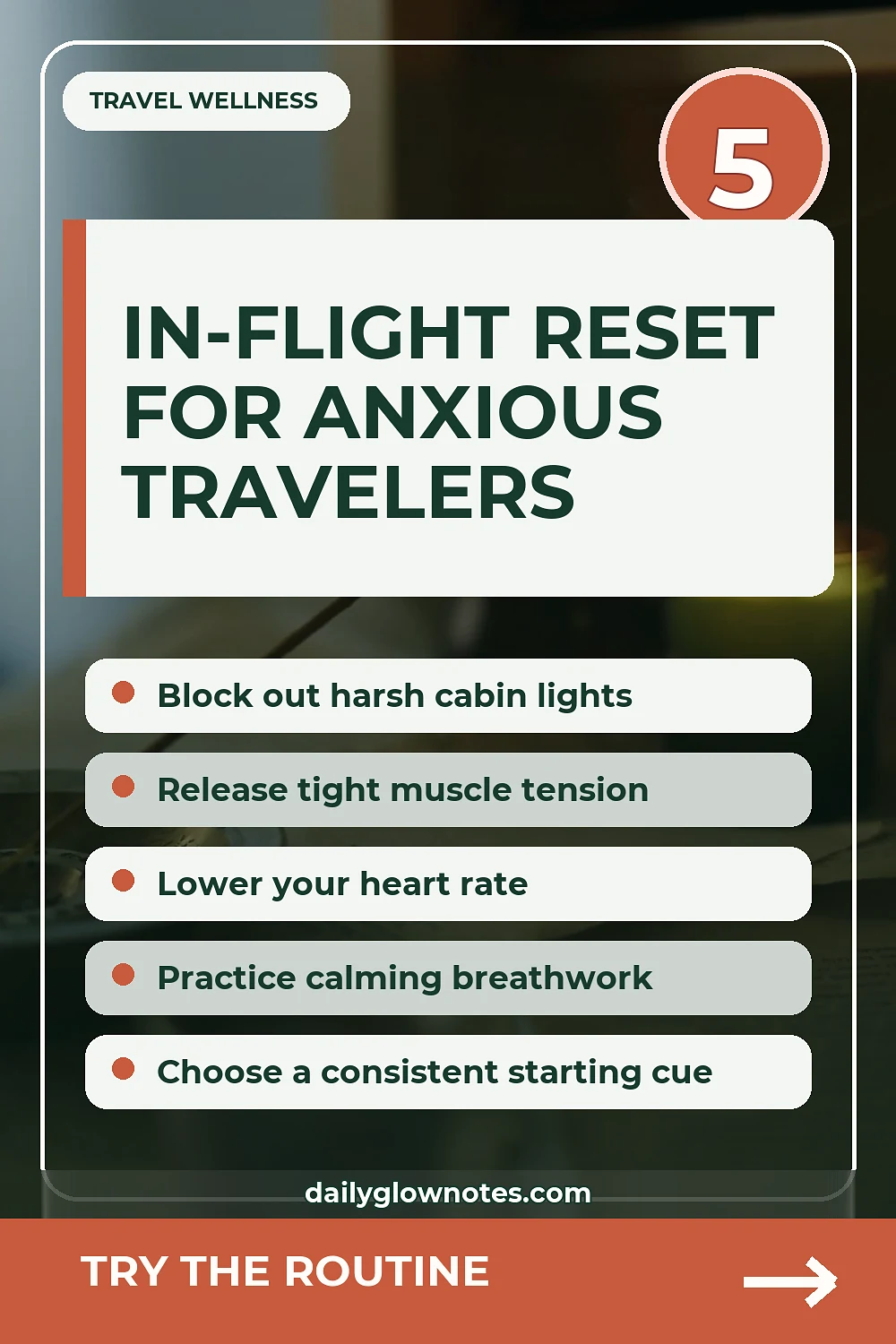
Harsh cabin lighting and flickering overhead screens make it difficult for your eyes and brain to settle into a restful state. A contoured silk eye mask blocks out ambient light completely, signaling to your brain that it is safe to rest, even in the middle of a brightly lit daytime flight. To enhance this visual reset, pair your mask with a physical book that requires focused, linear reading rather than frantic digital consumption. Engaging your mind with a tactile paperback page-turner diverts attention away from flight tracking maps or seatbelt signs. If digital distraction is a recurring challenge during your downtime, you might find resonance in exploring how to break the late-night scrolling habit and finally quiet your mind long before your trip even begins.