
A 10-Minute Gentle Morning Mobility Flow to Wake Up Your Body Gently becomes easier to understand when the main ideas are organized into practical, realistic steps. This guide explains the core considerations and shows how to apply them thoughtfully in everyday life.
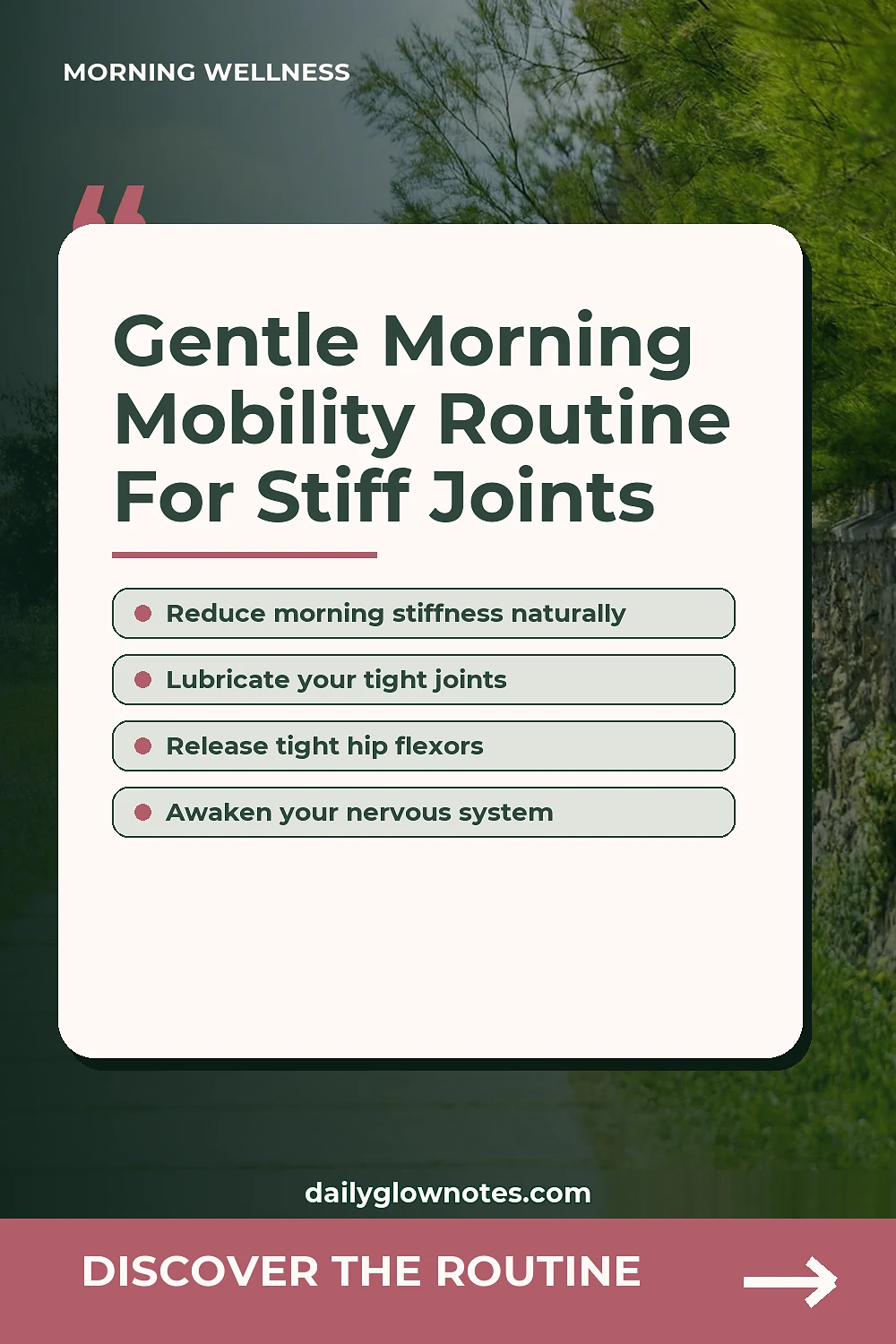
Waking up with a stiff neck, tight hips, and an overall sense of heaviness can make the simplest morning tasks feel exhausting. If you are tired of forcing your body into high-intensity workouts the moment your feet hit the floor, a low impact morning movement routine offers a refreshing alternative. This gentle morning mobility and stretching routine before starting work is designed specifically for those first ten minutes after waking up, helping you shake off grogginess without breaking a sweat or straining your joints. By focusing on fluid, joint-friendly transitions, you can signal to your nervous system that it is time to transition from rest to active wakefulness naturally.
Understanding Morning Stiffness and Joint Health
During sleep, your body remains in a relatively fixed position for hours. Fluid accumulates around the joints, and connective tissues temporarily shorten, which explains why waking up often feels stiff and rigid. Rushing straight into heavy exercise or fast-paced running can place unnecessary stress on cold muscles and vertebrae. Instead, a targeted mobility sequence lubricates the joints by encouraging the production of synovial fluid. This internal oiling process reduces friction, improves your range of motion, and prepares your spine, hips, and shoulders for the physical demands of the day ahead.
The 10-Minute Movement Breakdown
Moving through a structured yet gentle sequence requires no special equipment—just a comfortable mat and a few minutes of quiet space. Start your morning with supine knee drops to gently release tension in your lower back and outer hips. Lie on your back with your knees bent and feet flat on the floor, then slowly sway your knees from side to side for one minute. Next, transition onto your hands and knees for the classic cat-cow stretch. Inhale as you drop your belly and lift your chest, then exhale as you round your spine toward the ceiling. This movement awakens the vertebrae one by one, encouraging deep, rhythmic breathing that naturally elevates your alertness.
To address tight hip flexors—a common issue for anyone who spends hours sitting at a desk—move into a low kneeling lunge stretch. Step one foot forward, keep your torso upright, and gently shift your weight forward until you feel a mild release along the front of your hip. Hold for five slow breaths on each side. Finish your floor sequence with a gentle seated twist to mobilize the mid-back, which helps counter the slouching posture many of us default to throughout the day.