
Starting a fitness journey at home often feels overwhelming when every routine online demands high-intensity jumps, heavy weights, or complex equipment you simply do not own. If you have been putting off movement because your living room does not look like a boutique gym or because fast-paced workouts leave your joints aching, you are far from alone. Building an active lifestyle does not require punishing your body. In fact, sustainable wellness usually starts with much quieter, kinder choices that fit seamlessly into your actual day.
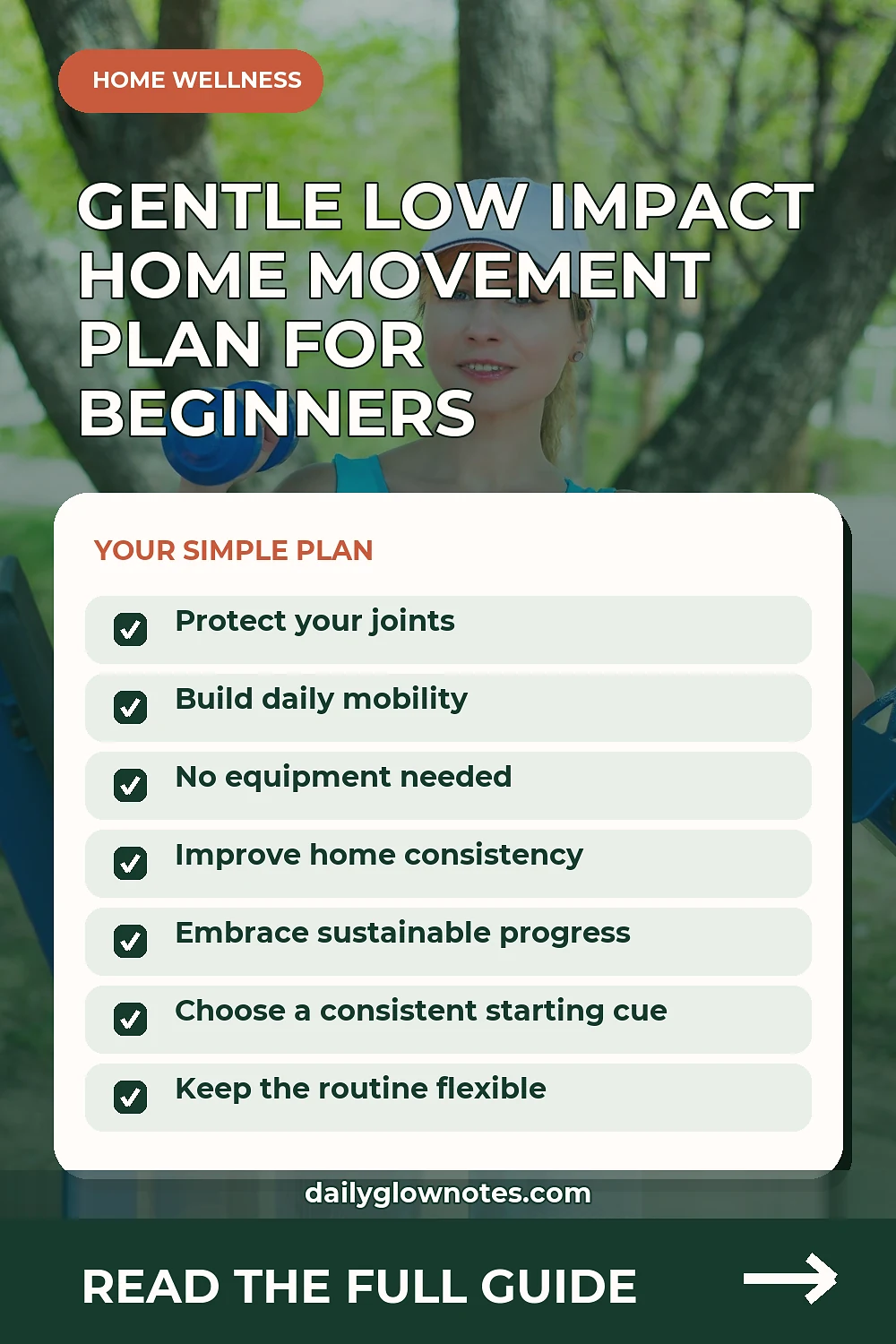
Low-impact movement is not a lesser version of exercise; it is a smart, joint-friendly foundation that supports daily mobility, steady energy, and long-term consistency. When you strip away the pressure to perform at maximum intensity from day one, you create space to actually enjoy moving your body. Whether you are fitting in a fifteen-minute session before work or stretching out stiffness after a long afternoon at a desk, a gentle approach respects where your body is right now.
Why High-Intensity Pressure Derails Beginner Consistency
Many beginners stumble into a frustrating cycle: choosing an intense workout program, feeling completely drained or sore after two days, and abandoning movement entirely for weeks. This stop-and-start pattern happens because the barrier to entry is set too high. High-impact routines require a baseline of joint conditioning and cardiovascular stamina that takes time to build. When you force your body into high-stress movements prematurely, fatigue sets in quickly, and motivation vanishes.
Shifting your focus toward low-impact movement removes those mental and physical roadblocks. Exercises that keep at least one foot on the ground protect your knees, hips, and lower back while still elevating your heart rate gently. This steady, approachable effort allows you to build physical resilience without dreading your daily session. Consistency always outperforms intensity. Doing twenty minutes of gentle movement four times a week will yield far better long-term results than attempting a grueling one-hour workout that leaves you sidelined with soreness.
Designing a Practical Home Movement Space
You do not need a dedicated home gym or expensive gear to establish an effective movement routine. A quiet corner of your living room, a sturdy chair, and a comfortable mat are more than enough. The key is removing friction so that rolling out your mat feels as easy as turning on the kettle. Keep your space inviting—perhaps near a window with natural light or a few indoor plants that make the environment feel calm and restorative.
When your environment supports your goals, the mental resistance to starting fades. If you want to expand your routine beyond the living room, you might explore options like How to Plan Your First Outdoor Cardio Week for Sustainable Success to gently introduce fresh-air movement into your weekly rhythm. Pairing indoor mobility sessions with light outdoor walking creates a well-rounded, flexible schedule that adapts to your changing energy levels throughout the week.