
The freezer is often the most overlooked asset in a kitchen dedicated to nourishing, skin-supportive habits. When you regularly prepare bone broths, save fish skins for crisps, or keep gelatin-rich stocks on hand, your freezer can quickly transform from a helpful tool into a chaotic graveyard of unidentifiable containers. Implementing a freezer organization system is not just about aesthetics; it is about ensuring that these nutrient-dense staples actually make it into your meals rather than getting lost behind a bag of forgotten peas. By creating a dedicated zone for your collagen-supporting ingredients, you turn food preparation into a streamlined rhythm that supports your long-term wellness goals.
Mastering the Art of the Collagen-Rich Freezer
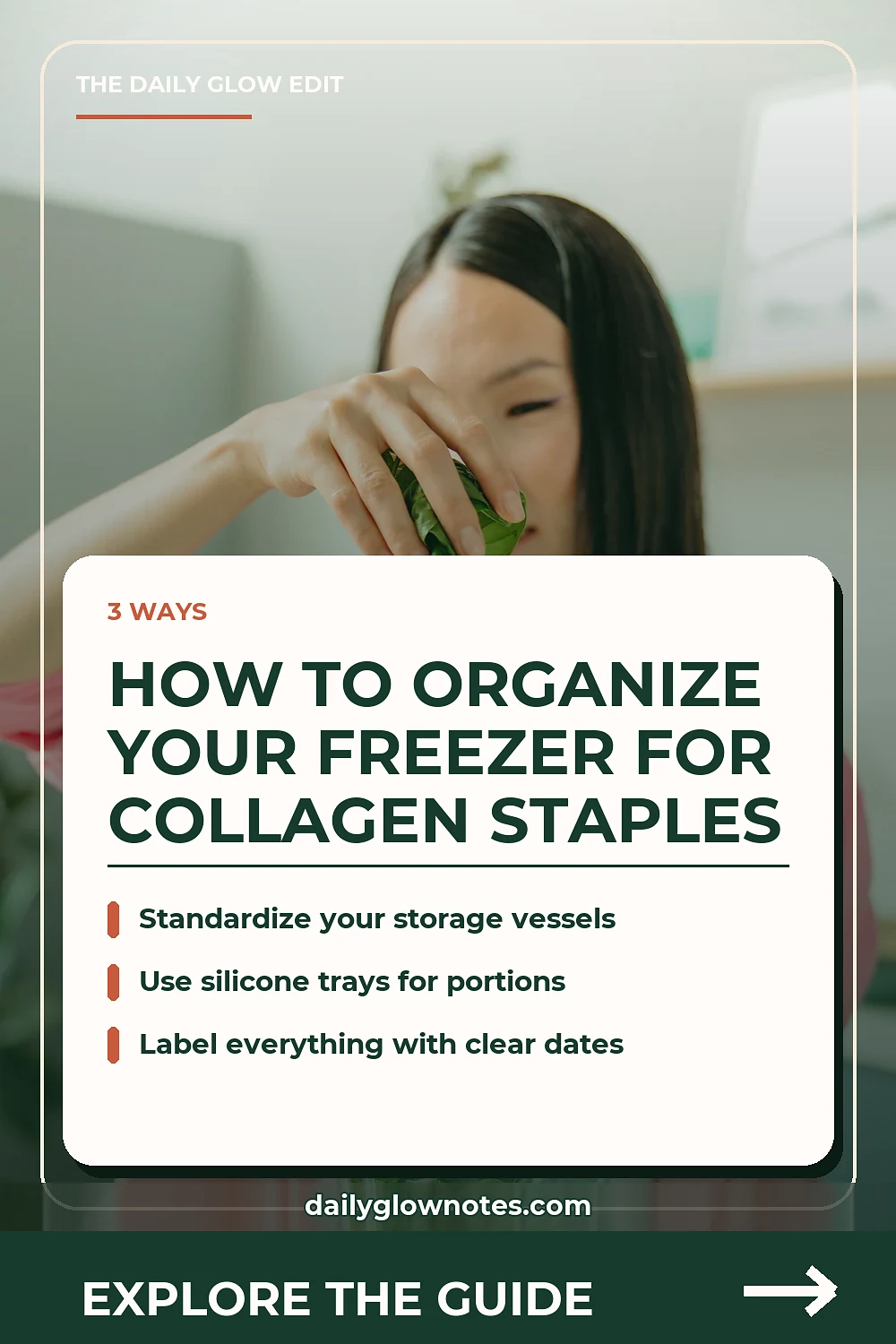
To begin, you need to standardize your storage vessels. Mismatched plastic tubs with missing lids are the enemy of an efficient inventory system. Transitioning to uniform, stackable silicone trays or tempered glass containers allows you to maximize vertical space. Silicone trays are particularly useful for broth and gelatin stocks because they allow you to pop out individual portions once frozen. These single-serving cubes are perfect for quick additions to soups, sauces, or even a morning warm drink. Once the cubes are frozen solid, transfer them into a labeled freezer bag or a vacuum-sealed container to free up the trays for the next batch. This simple shift ensures you are always ready to enhance a meal without needing to defrost an entire quart of stock.
Categorizing Your Freezer Staples
Not all collagen-supportive components require the same treatment. Categorizing your inventory prevents the "what is this?" game that leads to food waste. Dedicate a specific shelf or bin to your gelatinous components, such as concentrated bone broth, fish stock, and gelatin-infused vegetable reductions. Keep these distinct from other items like raw proteins or frozen vegetables. If you are someone who enjoys making homemade fish skin crisps, store cleaned, dried fish skins flat between layers of parchment paper in a shallow, airtight container. This keeps them from clumping together and ensures they stay protected from freezer burn, preserving their texture for when you are ready to crisp them up.
Labeling is the final, non-negotiable step in this system. Use a simple masking tape and permanent marker method, or invest in reusable freezer labels. The key is to record the date and the contents clearly. Knowing exactly when a batch of stock was frozen helps you practice the "first in, first out" rule, ensuring you use your older staples before starting on a fresh batch. This rotation keeps your ingredients fresh and your kitchen flow consistent, making it easier to integrate these staples into daily life, whether you are beating the 3 PM slump with beauty-boosting afternoon rituals or preparing a heartier dinner.