
Understanding the difference between normal shedding and mechanical breakage is your first step. Mechanical breakage happens when the hair shaft physically snaps, often leaving shorter, jagged ends that stand up around your part or along your hairline. If you are seeing these tell-tale signs, it is time to audit your daily interactions with your hair.
Midlife brings a unique set of changes, and for many women, the texture and resilience of our hair seem to shift overnight. You might notice more strands in your brush or discover that your once-robust mane now feels fragile and prone to snapping. It is rarely just one single event causing this transition; rather, it is often a cumulative effect of daily habits that our younger hair tolerated much better. Performing a proactive breakage audit allows you to identify these subtle stressors and adjust your routine to better support your hair through this stage of life. Strengthening your hair health often starts with realizing that the rituals we adopted in our twenties might need a gentle evolution to address the changing needs of our scalp and strands today.The Temperature Trap in Your Daily Styling
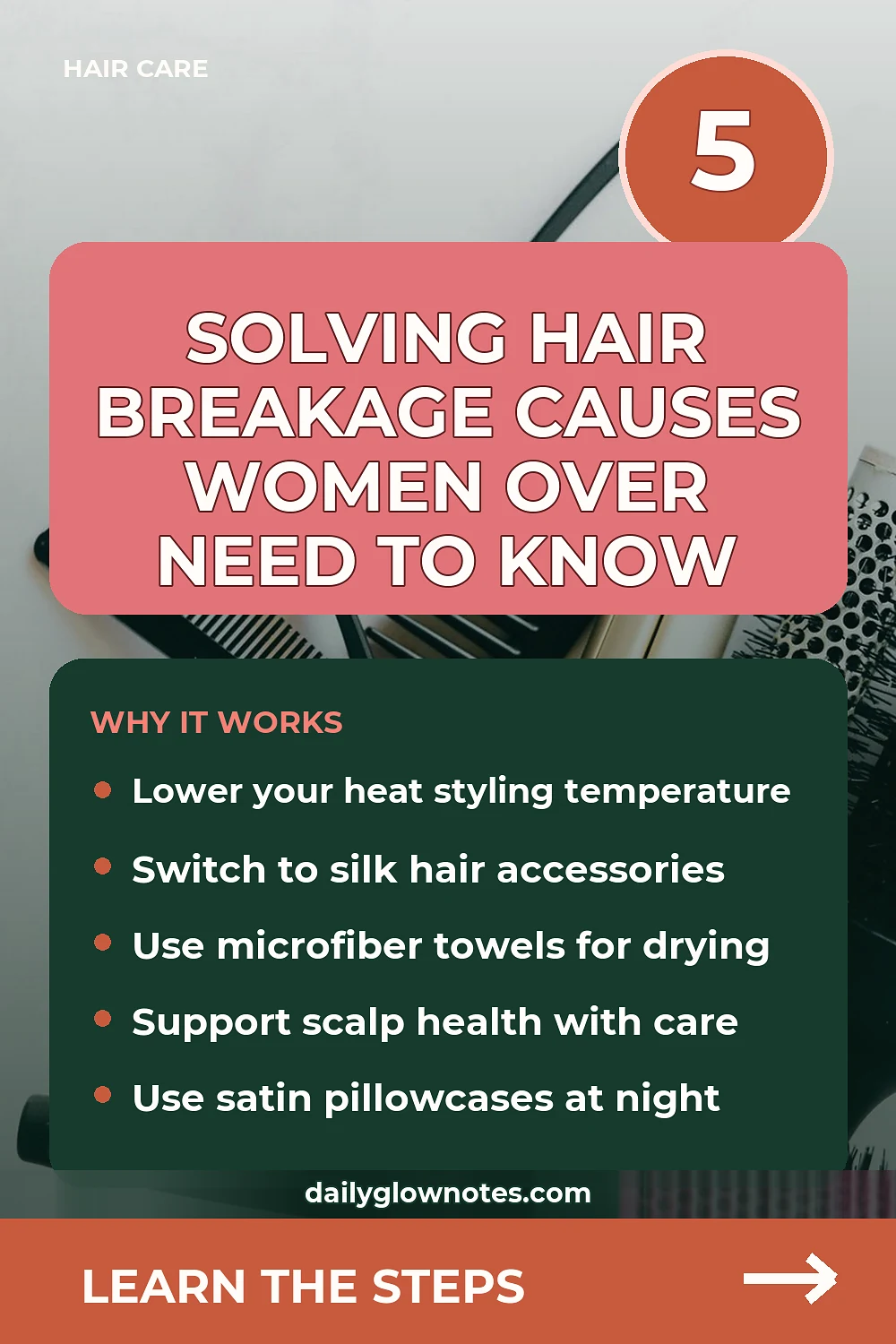
Heat styling has been a standard part of many beauty routines for decades, but as hair density naturally fluctuates after 40, our strands often become less forgiving of high temperatures. Many of us use blow dryers, curling irons, or straighteners at their maximum heat settings without a second thought. However, high heat rapidly depletes moisture from the hair cuticle, making it brittle and prone to snapping during simple tasks like combing.
Consider lowering your heat settings by a significant margin. If your tool allows for temperature control, stay below 300 degrees Fahrenheit. Furthermore, never skip a heat protectant spray. These products act as a thermal buffer, smoothing the cuticle and preventing that immediate, scorching damage. If you find your hair feeling particularly dry, embracing air-drying on weekends or incorporating heatless styling methods can offer a much-needed recovery period. For those who still rely on styling tools, consistency is key; nurturing stronger hair through consistent daily habits includes choosing quality tools that distribute heat evenly rather than relying on high-intensity bursts that compromise integrity.
Mechanical Stress from Accessories and Friction
We often overlook the physical tools we use to secure our hair. Tight elastic bands, especially those with metal clasps or abrasive textures, are notorious for creating friction and pulling on the hair shaft. Over time, this mechanical tension leads to breakage exactly where the band sits. Transitioning to silk or satin scrunchies is a simple yet transformative change. These materials glide over the hair rather than gripping it, significantly reducing the tension placed on your strands throughout the day.
Beyond elastics, consider how you handle your hair when it is wet. Wet hair is in its most vulnerable, elastic state. Brushing it aggressively after a shower or rubbing it vigorously with a standard terry cloth towel creates unnecessary stress. Instead, try using a wide-tooth comb or a dedicated detangling brush on damp hair, starting from the ends and working your way up to the roots. Replace the rough towel with a microfiber wrap or an old cotton t-shirt, which absorbs moisture without the friction that lifts the hair cuticle and leads to frizz and snapping.