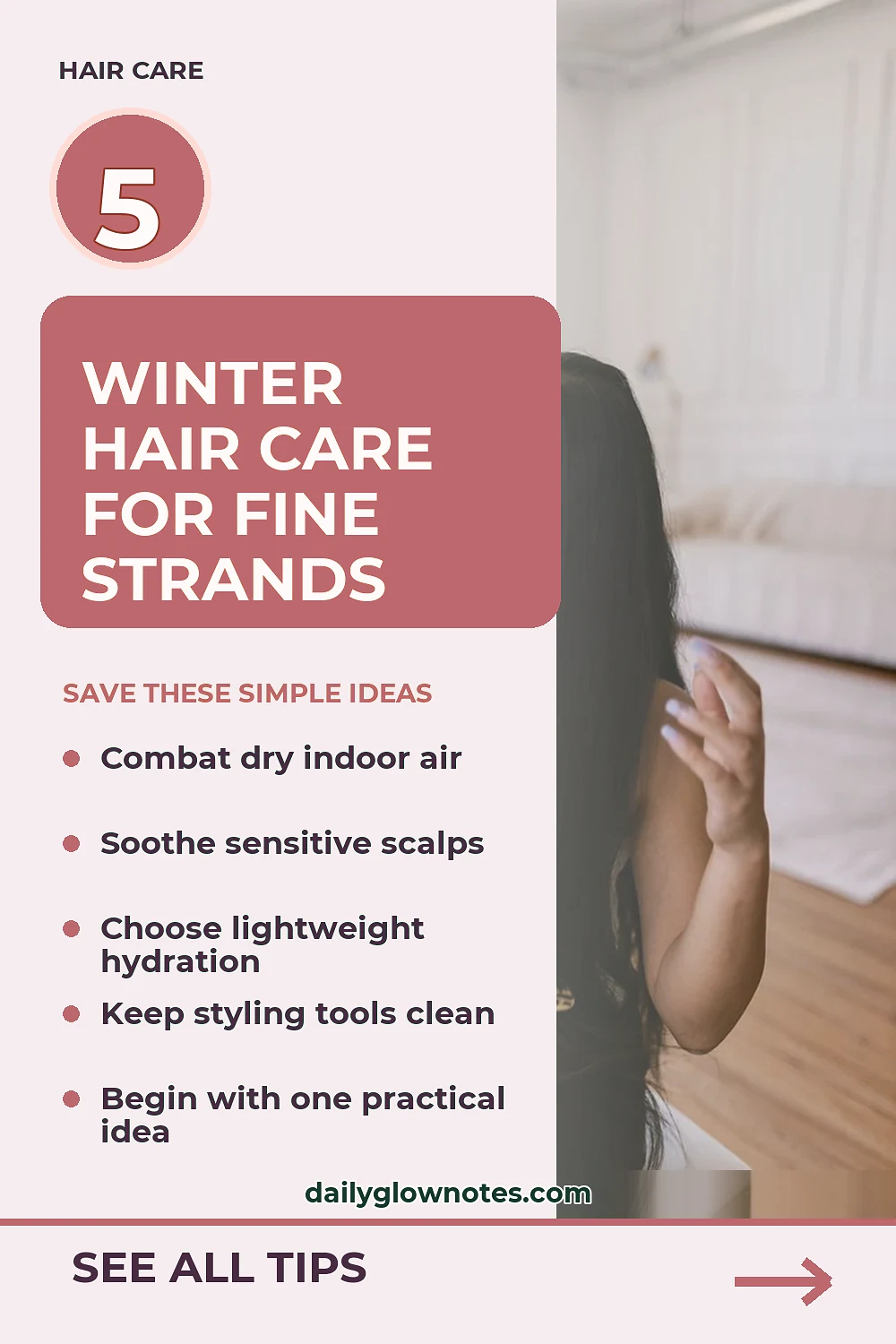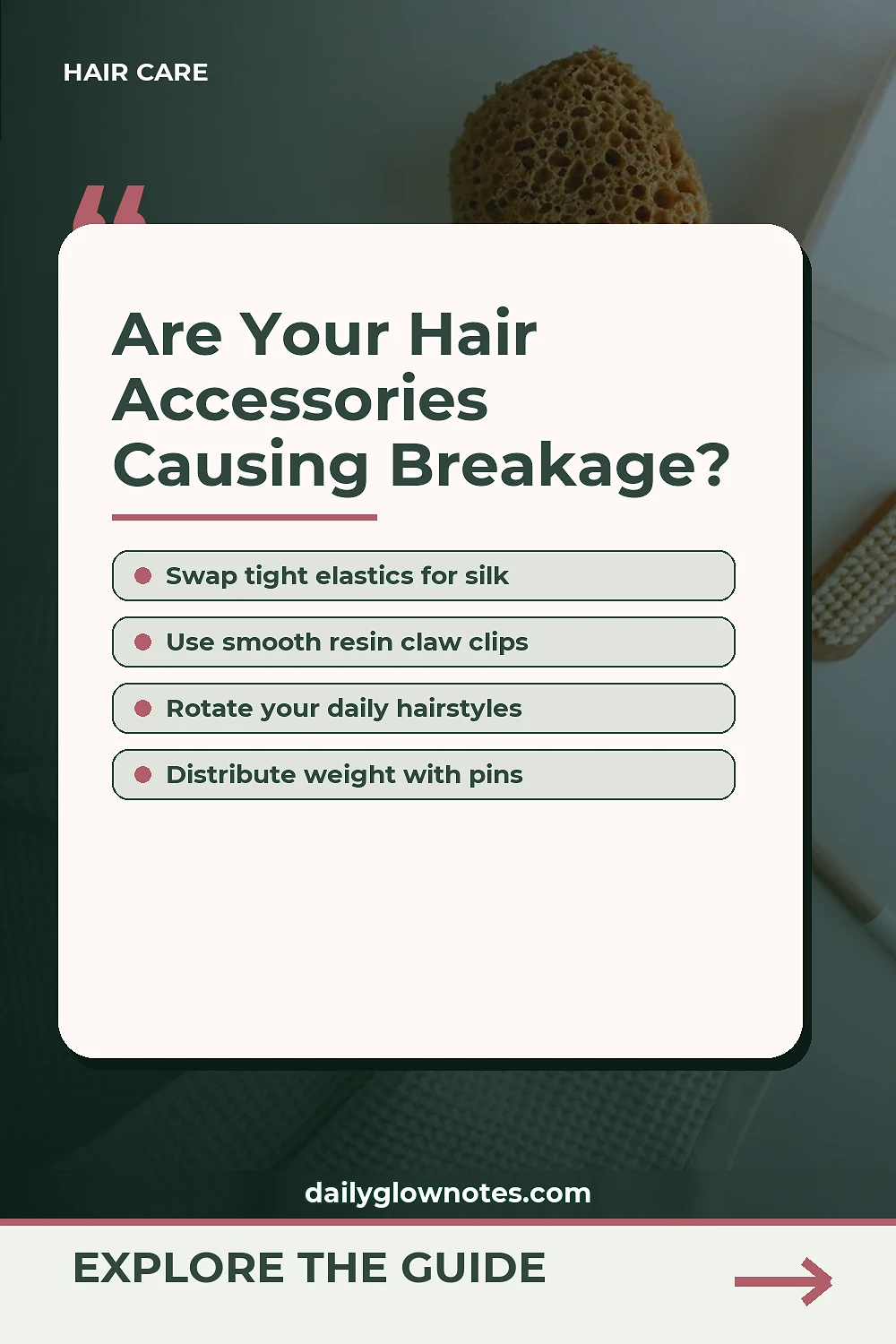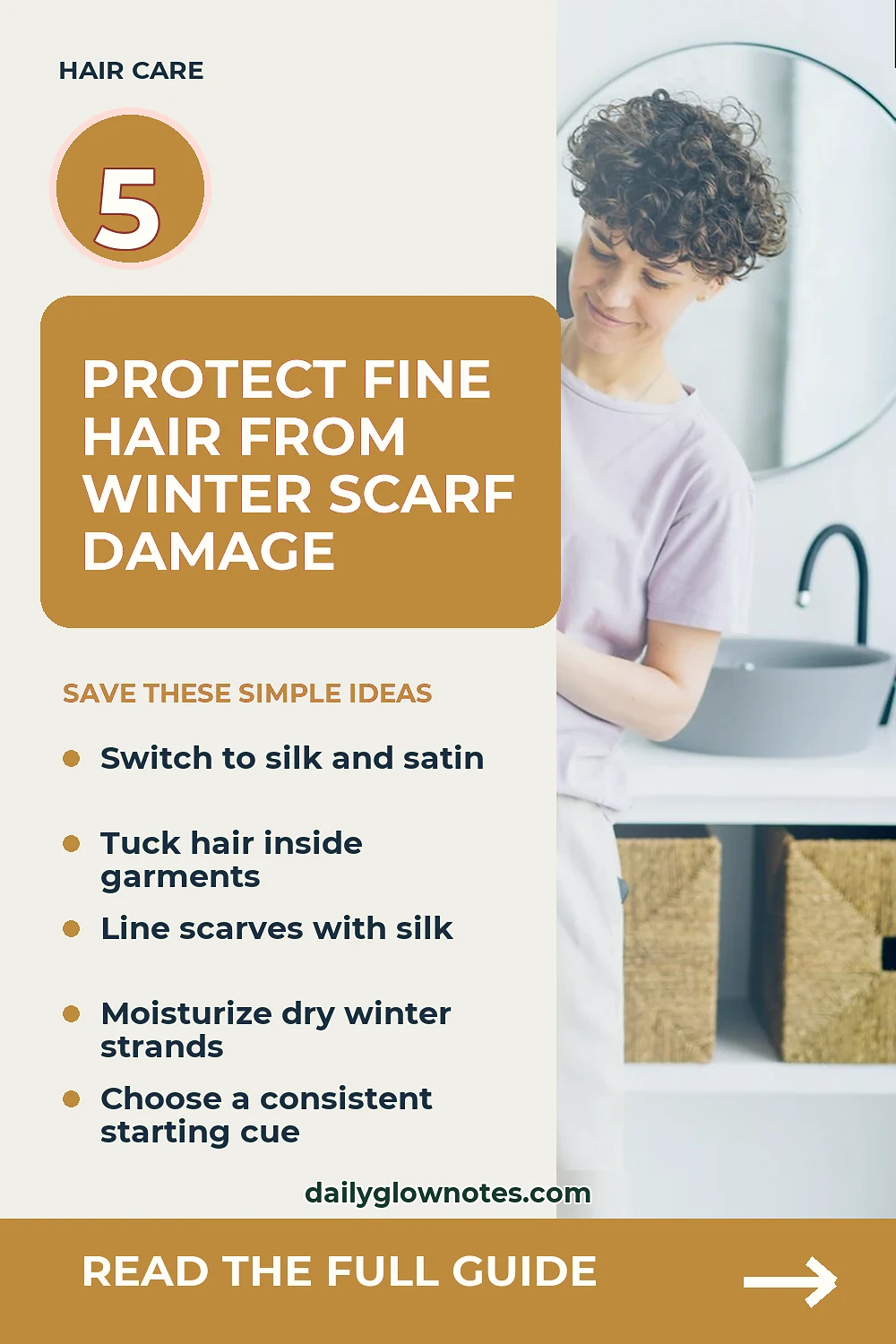

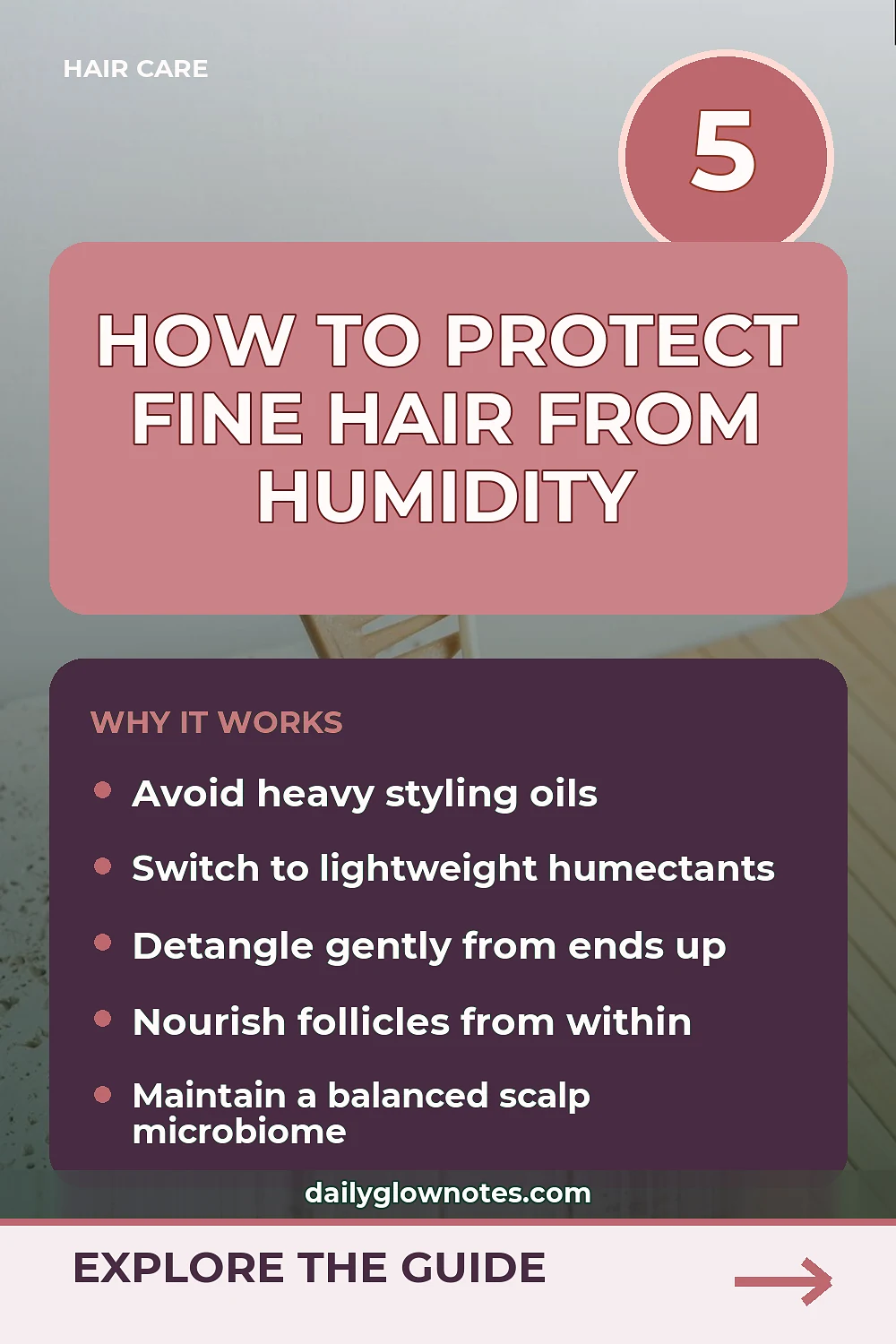
The High-Humidity Fine Hair Strategy: Preventing Moisture-Swell Snap Without Heavy Oils becomes easier to understand when the main ideas are organized into practical, realistic steps. This guide explains the core considerations and shows how to apply them thoughtfully in everyday life.
When the weather turns warm and sticky, fine hair often undergoes a frustrating transformation. Atmospheric moisture rushes into delicate hair shafts, causing them to swell unevenly, lose their shape, and snap with the slightest tension. For anyone dealing with fine thinning hair swelling breakage during peak humidity, the standard advice is usually to coat the strands in heavy butter, rich creams, or dense oils. Unfortunately, for fine textures, those heavy solutions cause flat roots, greasy lengths, and limp strands that lack any natural movement. Protecting delicate hair from high humidity requires a strategic approach that blocks excess moisture without weighing down your style or suffocating your scalp.
Understanding why humidity causes fine hair to snap is the first step toward building a better daily routine. Fine hair has a smaller diameter than coarse hair, meaning its protective outer cuticle layer is often thinner and more vulnerable. When humidity spikes, these porous strands absorb ambient water vapor rapidly. This sudden swelling stretches the internal protein bonds of the hair shaft. When you brush, style, or simply tuck your hair behind your ear, those swollen, weakened strands reach their breaking point much faster. Managing this challenge means focusing on lightweight sealing techniques, gentle detangling, and internal nutritional support that reinforces hair resilience from the root.
Prioritizing Lightweight Hydration and Cuticle Smoothing
Heavy oils and thick styling butters are the primary culprits behind flattened fine hair. Instead of relying on occlusive grease to fight frizz, look for lightweight humectants and fine mist sealants that smooth the cuticle without flattening your volume. Ingredients like aloe vera juice, panthenol, and hydrolyzed silk proteins can hydrate the hair shaft while maintaining a feather-light finish. When applying any product, focus strictly on the mid-lengths and ends, keeping styling formulas away from the scalp to preserve natural lift.
Gentle Detangling Habits for Swollen Strands
Wet or humid-softened hair is exceptionally fragile. Ripping a brush through damp or humid-swollen strands is a fast track to mechanical breakage. Incorporate a wide-tooth comb or a flexible detangling brush designed specifically for fragile textures, always working gently from the ends upward toward the scalp. If you are managing your daily styling routine while minimizing physical stress on delicate follicles, it is also helpful to review other daily habits. For instance, evaluating how you secure your hair during long desk shifts can prevent unnecessary friction, much like the adjustments outlined in our guide on The Workday Hairstyle Tension Audit: Protecting Thinning Hair and Preventing Breakage.
Building Internal Resilience Through Daily Nutrition
External humidity defense is only half of the equation. Long-term hair strength depends heavily on the nutrients your body receives to construct healthy, resilient strands. Fine and thinning hair often benefits from consistent nutritional support that provides essential building blocks like biotin, zinc, amino acids, and high-quality botanical extracts. Many women incorporate supportive dietary options such as Locerin into their daily routine to nourish hair follicles from within, supporting normal hair growth, enhanced strength, and overall vitality without altering their topical styling regimen.