
Midlife brings a wonderful invitation to tune in more closely to what our bodies need. For many women navigating perimenopause and menopause, nighttime comfort can fluctuate dramatically. One evening feels perfectly cozy, while the next brings sudden warmth that disrupts restful sleep. When midnight temperature changes become a regular part of life, looking closely at your immediate environment is a practical place to start. A thorough bedroom fabric comfort audit allows you to curate a sleeping space that actively works with your body rather than against it, ensuring you receive the restorative rest necessary for daily vitality and long-term well-being.
Why Your Bedding Choices Matter More Than Ever
We often invest in skincare or evening routines while overlooking the textiles that surround us for eight hours every night. Heavy synthetics, non-breathable polyester blends, and tightly woven heavy cottons can trap body heat and moisture against the skin, creating an uncomfortably warm microclimate. By transitioning to lightweight, natural, and breathable materials, you create an instantly more supportive environment around your bed that adapts to your body's changing physiological needs during midlife.
Evaluating Your Sheets and Pillowcases
Begin your audit right where your skin meets the bed: your sheets and pillowcases. Traditional polyester and microfiber options tend to trap warmth, creating an insulating layer that exacerbates night sweats and sudden temperature shifts. Instead, look toward natural fibers that offer superior breathability and moisture-wicking properties.
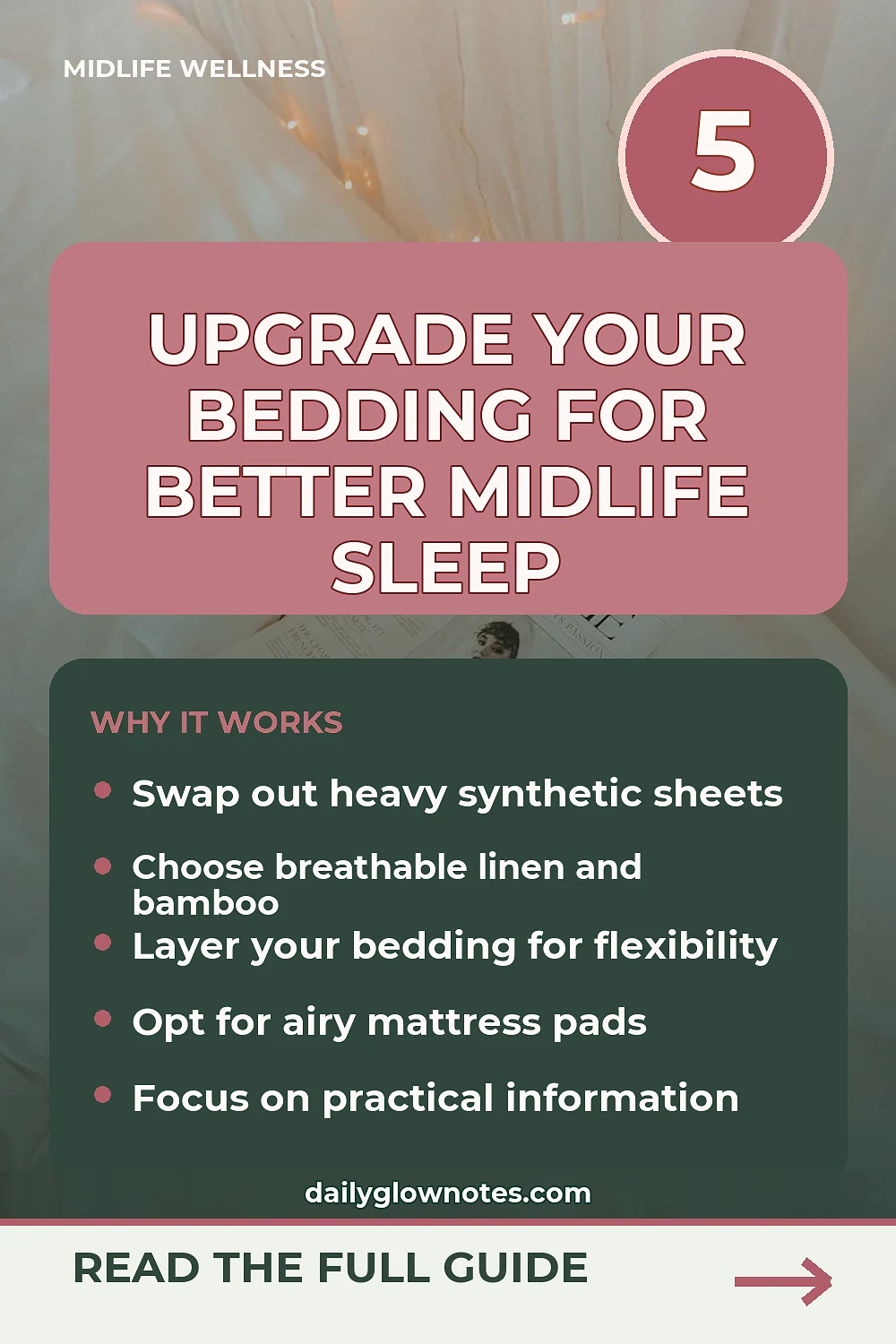
Linen is an exceptional choice for warm nights. Its unique hollow fibers allow air to circulate freely, keeping your skin cool and dry throughout the night. High-quality percale cotton is another reliable option, offering a crisp, lightweight feel that softens with every wash. Bamboo-derived rayon or lyocell has also gained popularity for its silky texture and impressive ability to draw moisture away from the body. As you sort through your linen closet, set aside heavier flannel or sateen sets for cooler months, and build a rotation centered entirely around light, airy textures that promote optimal temperature regulation.
Rethinking Sleepwear and Layers
The fabrics you wear to bed are just as important as the sheets you lie on. Heavy cotton t-shirts, synthetic nightgowns, or restrictive sleep sets can quickly turn an otherwise comfortable night into a restless experience. Layering is your best strategy here.
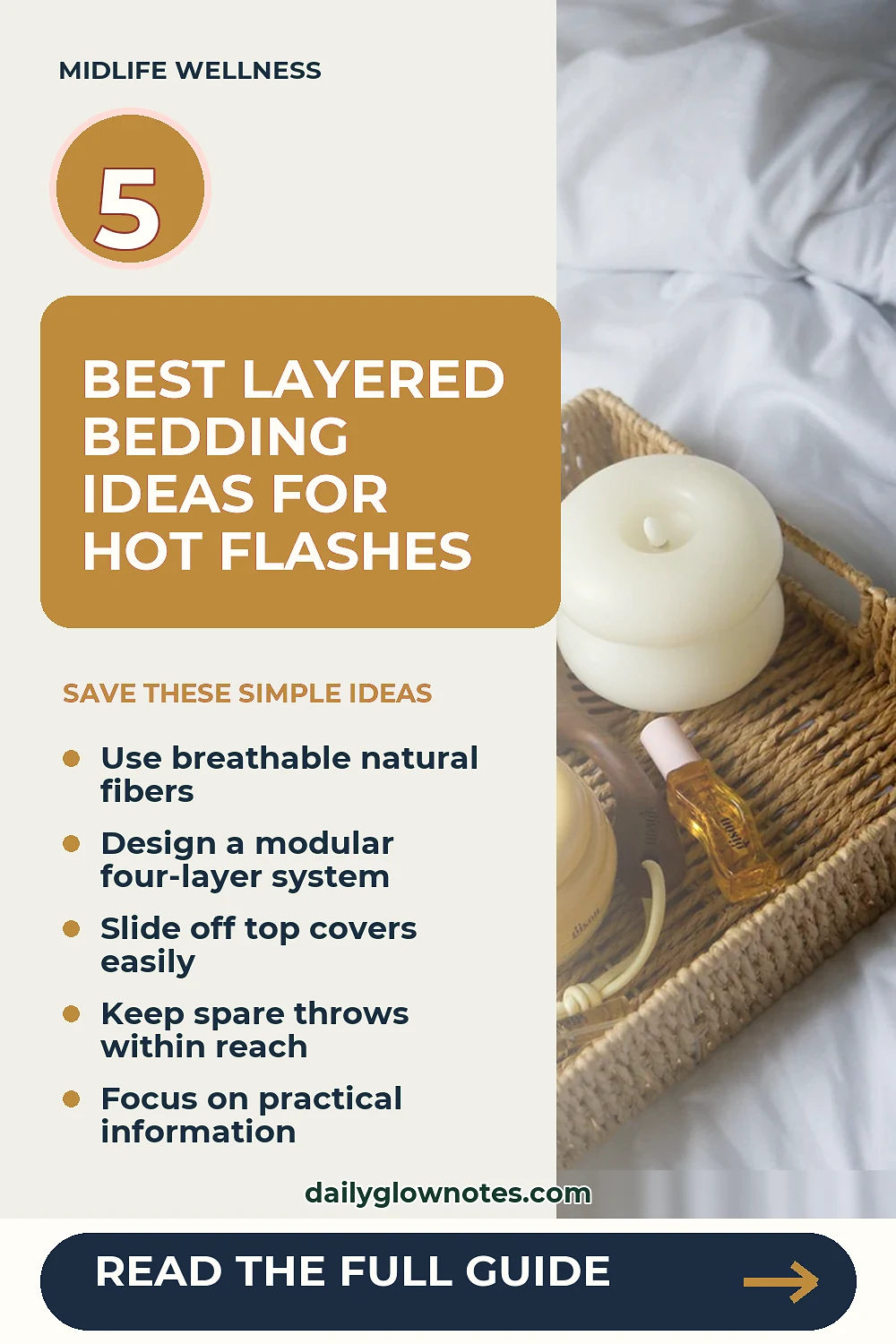
Choose loose-fitting sleepwear crafted from lightweight bamboo, modal, or fine cotton gauze. Avoid tight waistbands or synthetic laces that trap heat against your torso. Instead of a single heavy blanket, adopt a layered bedding approach. Pair a lightweight top sheet with a breathable waffle-weave blanket or a loose cotton quilt. This modular approach makes it effortless to adjust your covers throughout the night without fully waking up, helping you maintain a continuous cycle of deep, uninterrupted sleep.
For those evenings when wind-down routines need extra support, establishing a calming environment makes a noticeable difference. You might find inspiration in an educator's evening wind-down routine for midlife comfort, which highlights gentle ways to transition from a busy day into deep relaxation.