
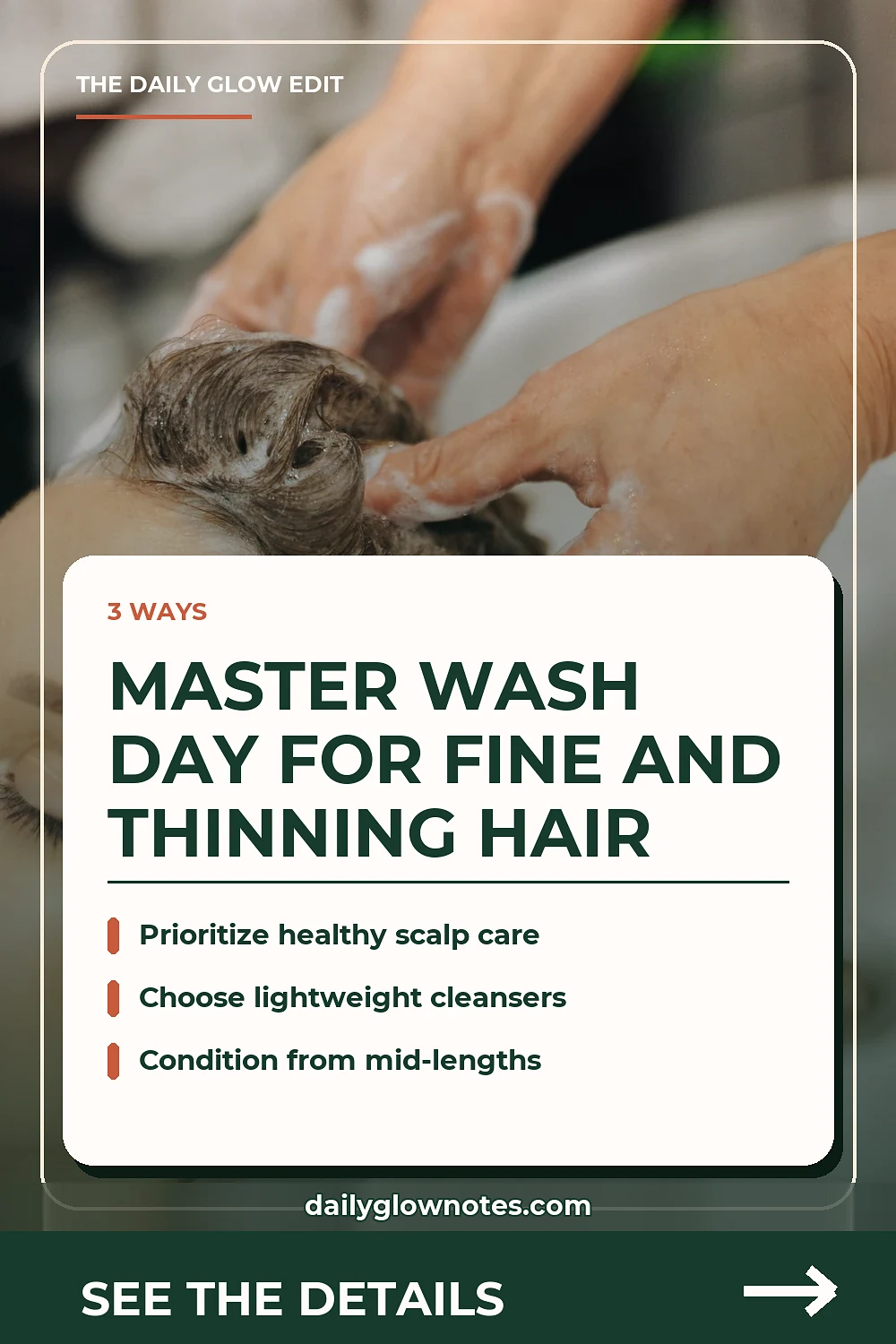
Fine and thinning hair requires a completely different approach regarding cleansing and conditioning. If your strands lack body and tend to snap easily during styling, your traditional wash day might actually be working against you. Heavy formulas, aggressive scrubbing, and high heat can leave fragile hair limp, prone to breakage, and stripped of its natural resilience. Elevating fine hair without weighing it down starts with a mindful, step-by-step wash routine designed to protect fragile roots and encourage a natural, voluminous finish.
Understanding the unique structural characteristics of fine hair is the first step toward building a better regimen. Fine hair has a smaller diameter compared to medium or thick hair strands, which means it has fewer protein bonds to protect it from environmental stressors and mechanical damage. Because of this delicate structure, every product you apply and every physical action you take—from brushing to towel drying—has a magnified impact on the overall integrity of your hair. Adjusting your daily habits to respect this fragility prevents unnecessary wear and tear, allowing your hair to maintain its natural bounce and vitality over time.
Prioritizing Scalp Health Before You Cleanse
The foundation of any good volume-boosting routine begins at the scalp. Fine hair often looks flat because oil and impurities weigh down the roots from the very beginning. Before stepping into the shower, take a moment to gently brush your dry hair with a soft-bristle brush to loosen debris and stimulate the scalp. If you notice your roots feeling excessively heavy or dull despite regular washing, you might be dealing with an accumulation of styling residues; learning about Recognizing the Signs of Product Buildup can help you reset your cleansing schedule effectively. A clean, balanced scalp allows hair follicles to function optimally and gives fine roots the lift they need.
Scalp massage is another powerful technique to incorporate before you wash. By using the pads of your fingers to move the scalp in small, circular motions, you encourage microcirculation to the hair follicles. This increased blood flow delivers vital nutrients directly to the root zone, supporting a healthy environment for future hair growth. Taking just two minutes to massage your scalp before wetting your hair can transform a standard wash into a therapeutic ritual that promotes long-term hair density and natural root lift.
Choosing and Applying a Lightweight Cleanser
When selecting a shampoo for fine, fragile hair, clarity and lightness are key. Avoid heavy, ultra-moisturizing creams that coat the hair shaft in heavy silicones. Instead, opt for a volumizing or strengthening shampoo designed to gently lift impurities without stripping moisture from vulnerable ends. When you wash, focus the product primarily on your scalp rather than scrubbing the mid-lengths and ends. As the lather rinses away, it will naturally clean the rest of your hair without causing unnecessary friction or tangling, which is a major culprit behind breakage in fragile strands.
Water temperature also plays a critical role during the cleansing process. Washing your hair with excessively hot water strips away the natural lipid barrier that protects both your scalp and your strands, leaving hair dry, brittle, and prone to static. Instead, use lukewarm water to open the cuticle gently and dissolve oils effectively. This simple adjustment protects your hair from unnecessary thermal stress while ensuring that your chosen shampoo can perform its job thoroughly without requiring harsh scrubbing actions.