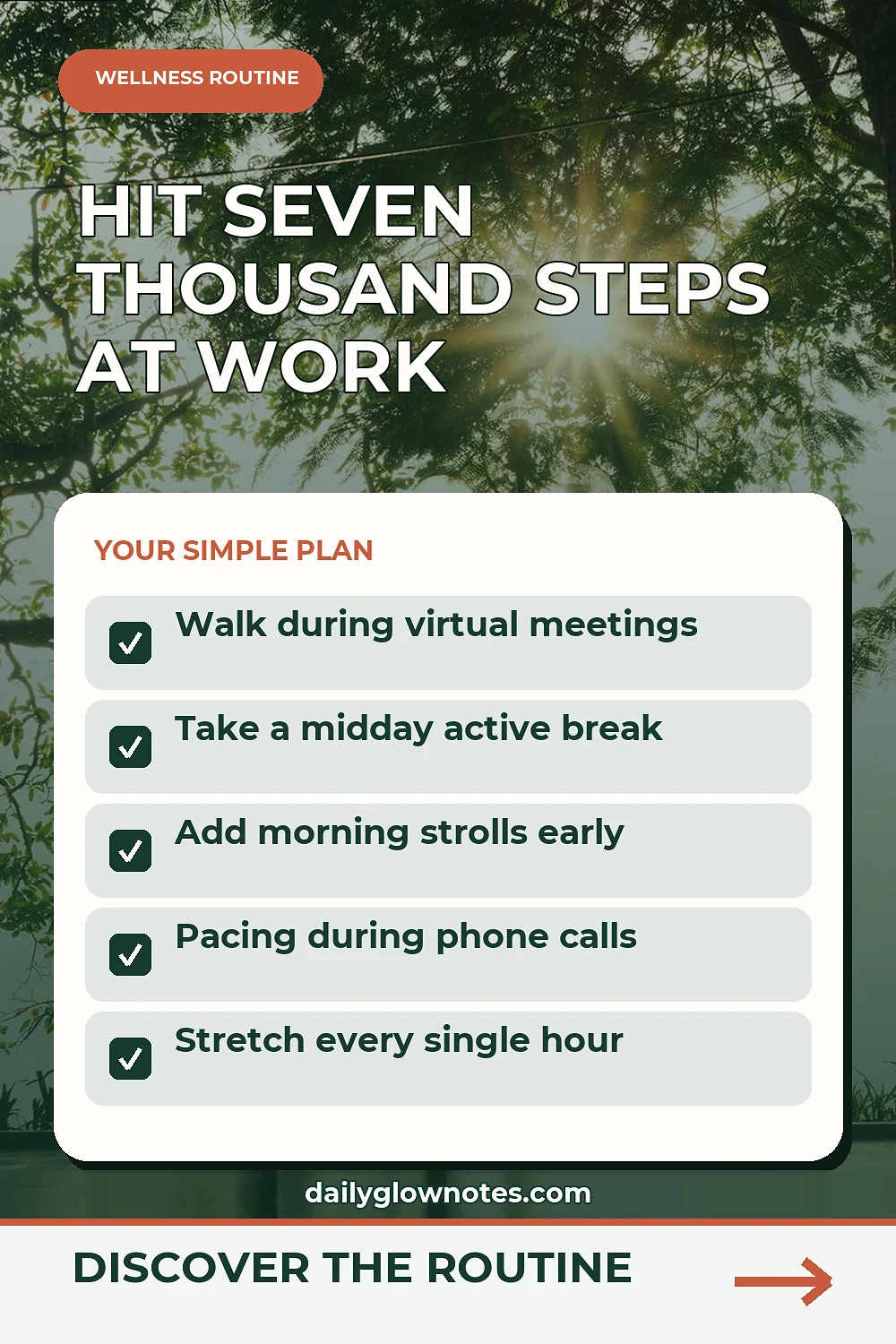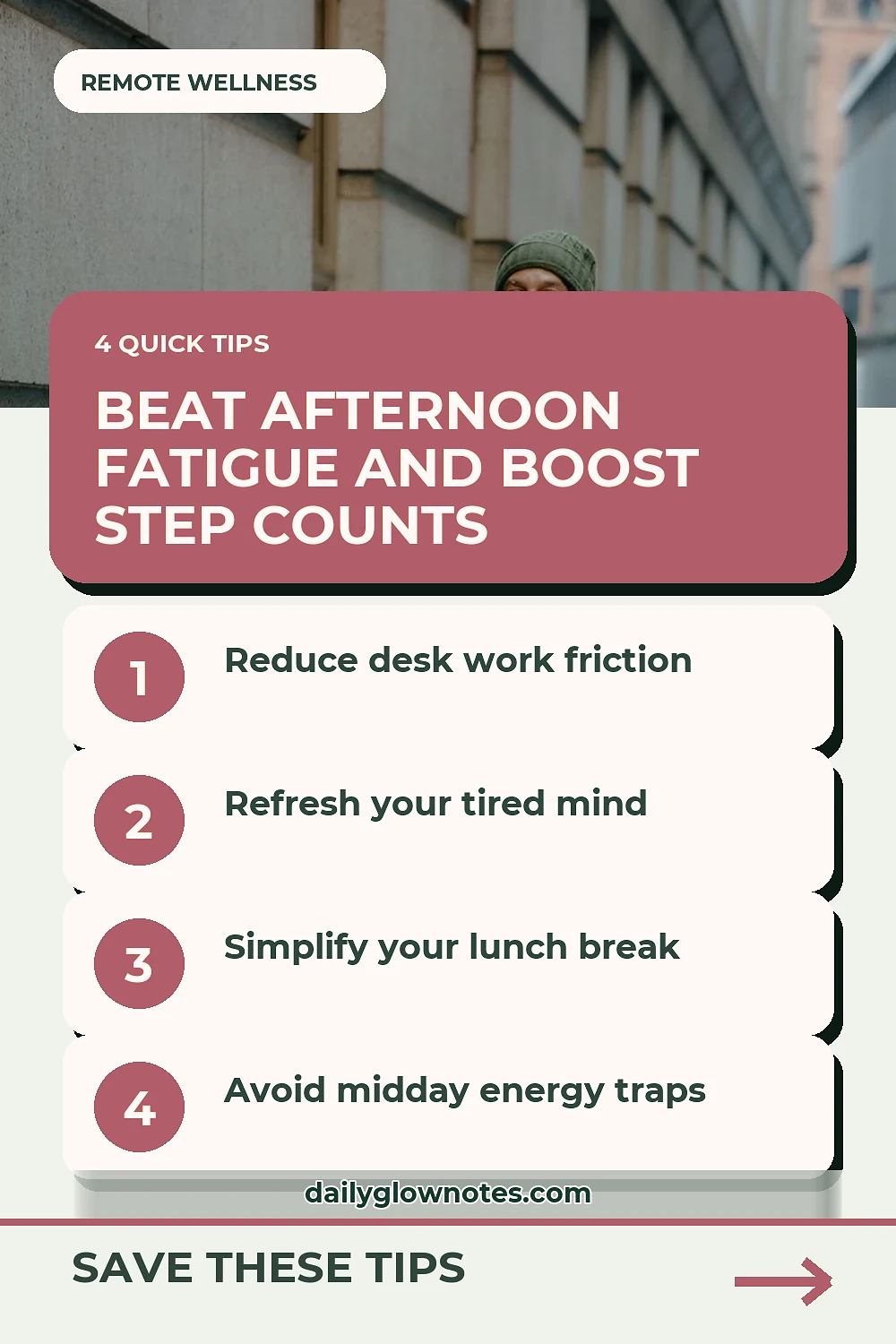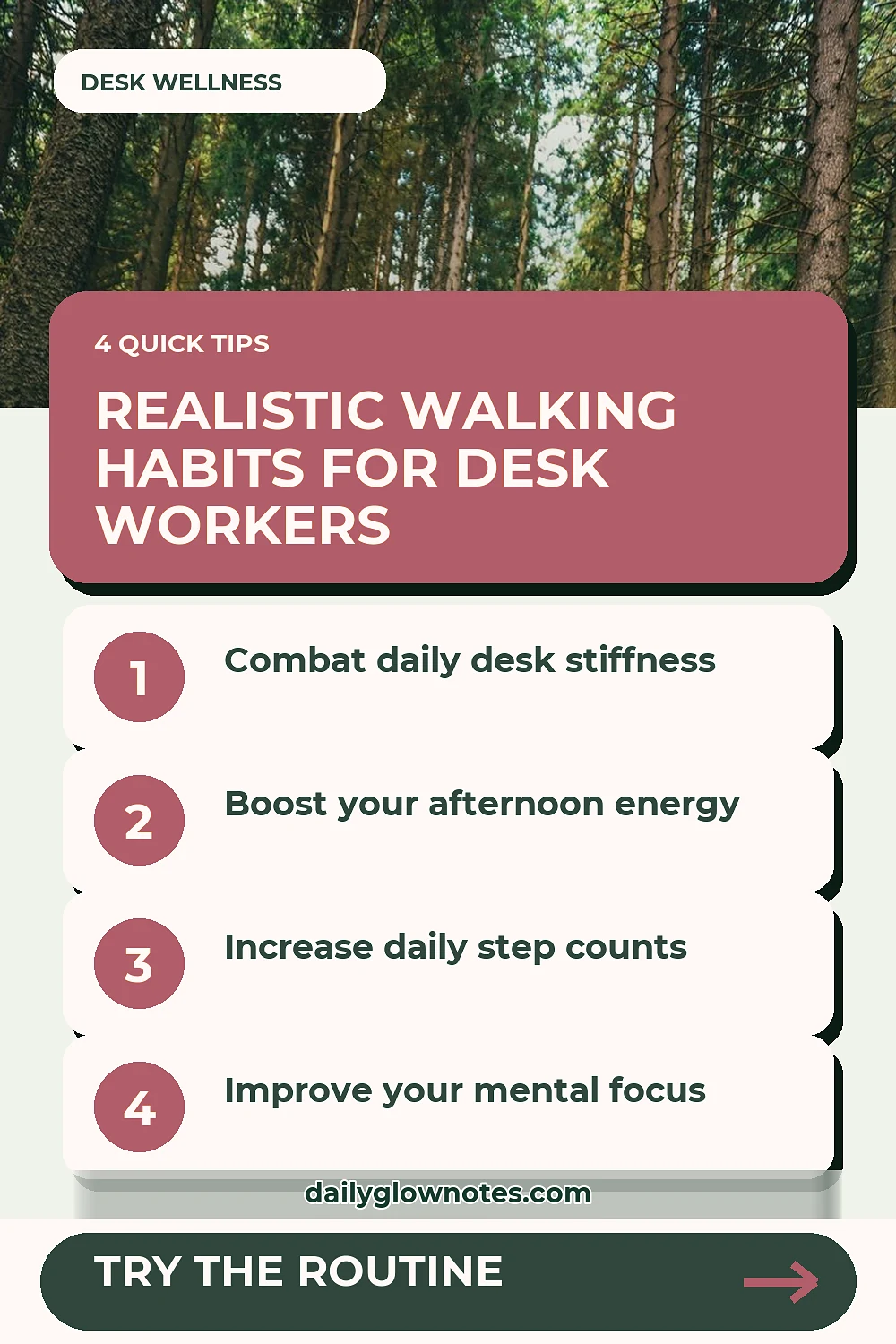

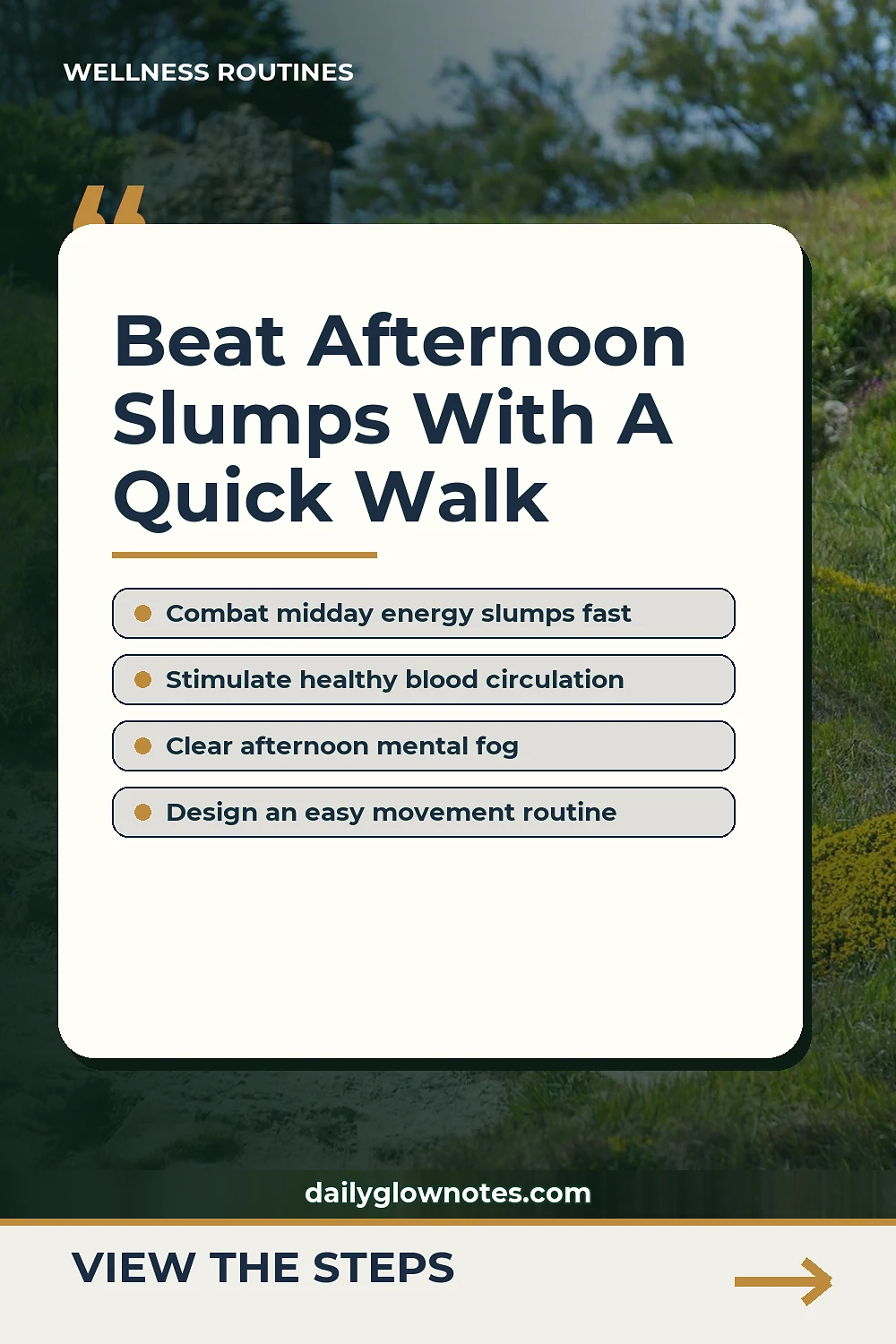
That heavy, drooping feeling hits right around two o'clock every single afternoon. Your eyelids grow remarkably heavy, the glowing spreadsheet screen blurs into an abstract painting, and your brain begs for a nap rather than another focused hour of work. If you spend your days anchored to a desk chair, this post-lunch energy crash is likely a familiar and frustrating daily obstacle. Instead of turning to a third cup of coffee or surrendering to the sluggishness, a simple habit can completely shift your afternoon. Implementing a reliable walking routine for desk workers with low energy can revitalize your mind and clear away that afternoon fog in just ten short minutes.
Why Your Body Craves Movement After Lunch
When you finish a midday meal, your body naturally directs a significant portion of its energy and blood flow toward the digestive tract. For someone sitting completely still at a computer terminal, this physiological shift translates directly into a sudden drop in alertness and an overwhelming urge to rest. Remaining entirely sedentary compounds the problem, leaving you feeling stiff, mentally drained, and physically lethargic long before the workday actually ends.
Introducing a brief burst of light activity counteracts this natural lull without requiring a massive commitment. You do not need to pack a gym bag, change into specialized athletic gear, or sweat through an intense workout to reap the rewards. Simply stepping away from the desk and engaging in light, continuous movement helps stimulate circulation, encourages gentle muscle activation, and delivers a much-needed mental reset. For those who struggle to maintain a consistent activity level while managing a remote or corporate schedule, exploring strategies like troubleshooting midday fatigue and low step counts for remote workers can offer additional perspective on how small adjustments compound over time.
Designing Your Midday Movement Window
Success with a micro-walk habit relies entirely on removing friction. Because you only have a short break, planning your route ahead of time ensures you spend your ten minutes actually walking rather than wondering which direction to head. Aim to step outside immediately after finishing your meal, or give yourself a five-minute buffer to let your food settle before lacing up your supportive walking shoes.
Keep your pace brisk yet comfortable enough that you can easily converse. Think of it as a purposeful stroll rather than a power-race. As you walk, let your shoulders drop away from your ears, swing your arms naturally, and focus on taking deep, rhythmic breaths of fresh air. This deliberate change of scenery acts as a powerful cognitive palate cleanser, separating your morning tasks from your afternoon responsibilities.