
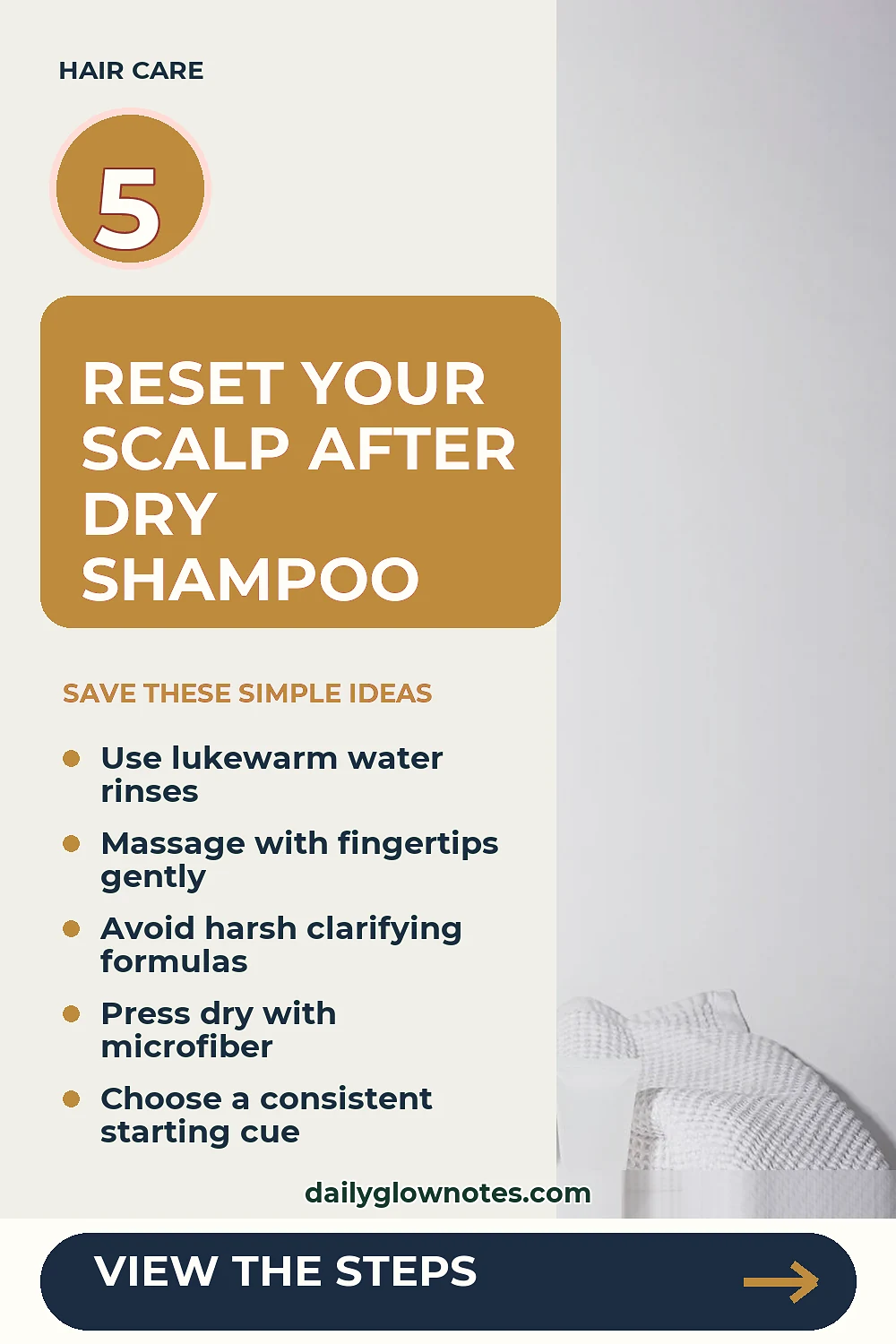
Relying on dry shampoo spray to extend the life of a blowout is a practical weekday shortcut, but it often comes with a hidden cost for fine hair and delicate skin. Over several days, powdery starches, aerosol propellants, and excess sebum accumulate around the hair follicles, creating a stubborn layer of residue. For those dealing with sensitive scalps, this buildup can trigger itchiness, mild irritation, and flattened roots that refuse to hold volume. Clearing this accumulation safely requires more than a standard sudsing; it demands a deliberate, gentle reset routine that lifts debris without stripping fragile strands or aggravating tender skin.
Recognizing the Signs of Scalp Buildup on Fine Hair
Fine hair behaves differently than thick or coarse textures, making it especially vulnerable to the weight of styling products. When dry shampoo particles mix with natural oils, they form a microscopic glue that settles snugly against the scalp. You might notice that your roots feel heavy even right after washing, or perhaps you experience subtle discomfort and tenderness along your part line. Ignoring these signs can lead to weakened strands and increased breakage near the base. Understanding how your scalp responds to multi-day styling is the first step toward building a healthier cleansing habit.
The Prep Phase: Pre-Cleansing and Detangling
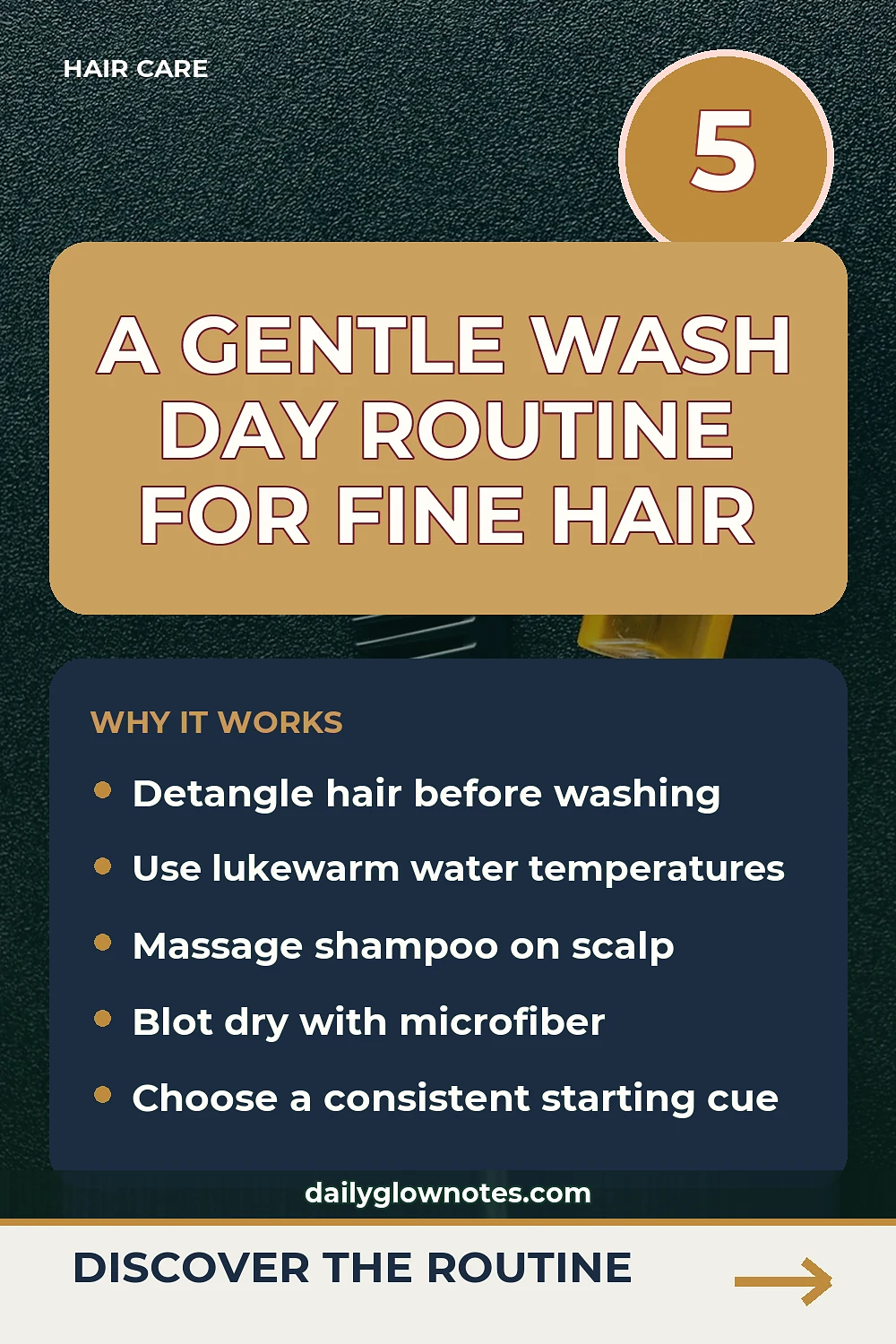
Before water ever touches your hair, preparing the scalp and lengths helps prevent mechanical breakage. Fine hair is notoriously fragile when wet, and tugging at tangled strands during a shower can snap them effortlessly. Begin by gently brushing your hair with a flexible-bristle brush to loosen surface powder and dislodge loose hairs. This dry-detangling step ensures that when you finally step into the shower, the water and cleanser can reach the scalp surface directly rather than fighting through a web of knots. For those managing delicate strands, taking a moment to audit your daily habits, such as checking your styling tension through resources like The Workday Hairstyle Tension Audit: Protecting Thinning Hair and Preventing Breakage, can provide additional context on minimizing daily stress.
Adjusting Water Temperature and Initial Rinsing
Water temperature plays a critical role in effectively dissolving stubborn cosmetic residue without shocking the skin. Steer clear of piping-hot water, which can strip natural moisture and leave a sensitive scalp feeling tight and reactive. Instead, opt for lukewarm water to help soften hardened sebum and loosen trapped dry shampoo particles. Spend a full minute thoroughly saturating your hair before applying any product. A generous, gentle pre-rinse washes away a surprising amount of loose surface debris simply through water pressure and warmth, preparing the scalp to receive the cleanser more effectively.