
The Night Sweat Reset: How to Set Up a Cooling Menopause Bedroom Routine becomes easier to understand when the main ideas are organized into practical, realistic steps. This guide explains the core considerations and shows how to apply them thoughtfully in everyday life.
Waking up in the middle of the night drenched in sweat can disrupt even the most peaceful slumber, turning your bedroom into a source of frustration. For many women navigating perimenopause and menopause, night sweats and sudden temperature surges are a familiar, exhausting reality. When your internal thermostat feels unpredictable, your sleeping environment becomes your first line of defense. Designing an optimal menopause night sweat bedroom setup requires more than just kicking off the covers; it involves a thoughtful rethinking of your physical space, bedding architecture, and evening wind-down habits to ensure sustained comfort throughout the night.
Rethinking Your Sleep Architecture with Natural Fibers
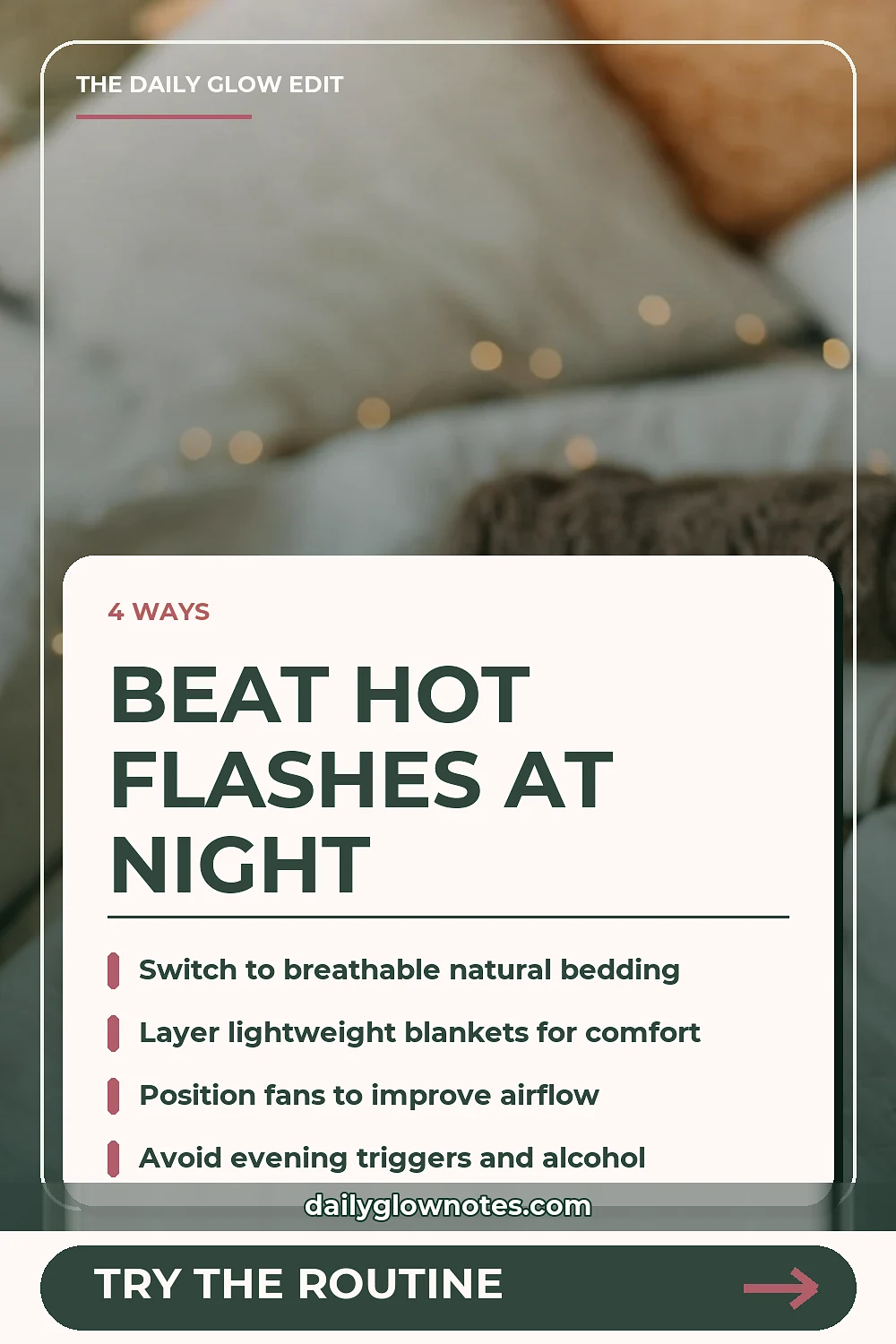
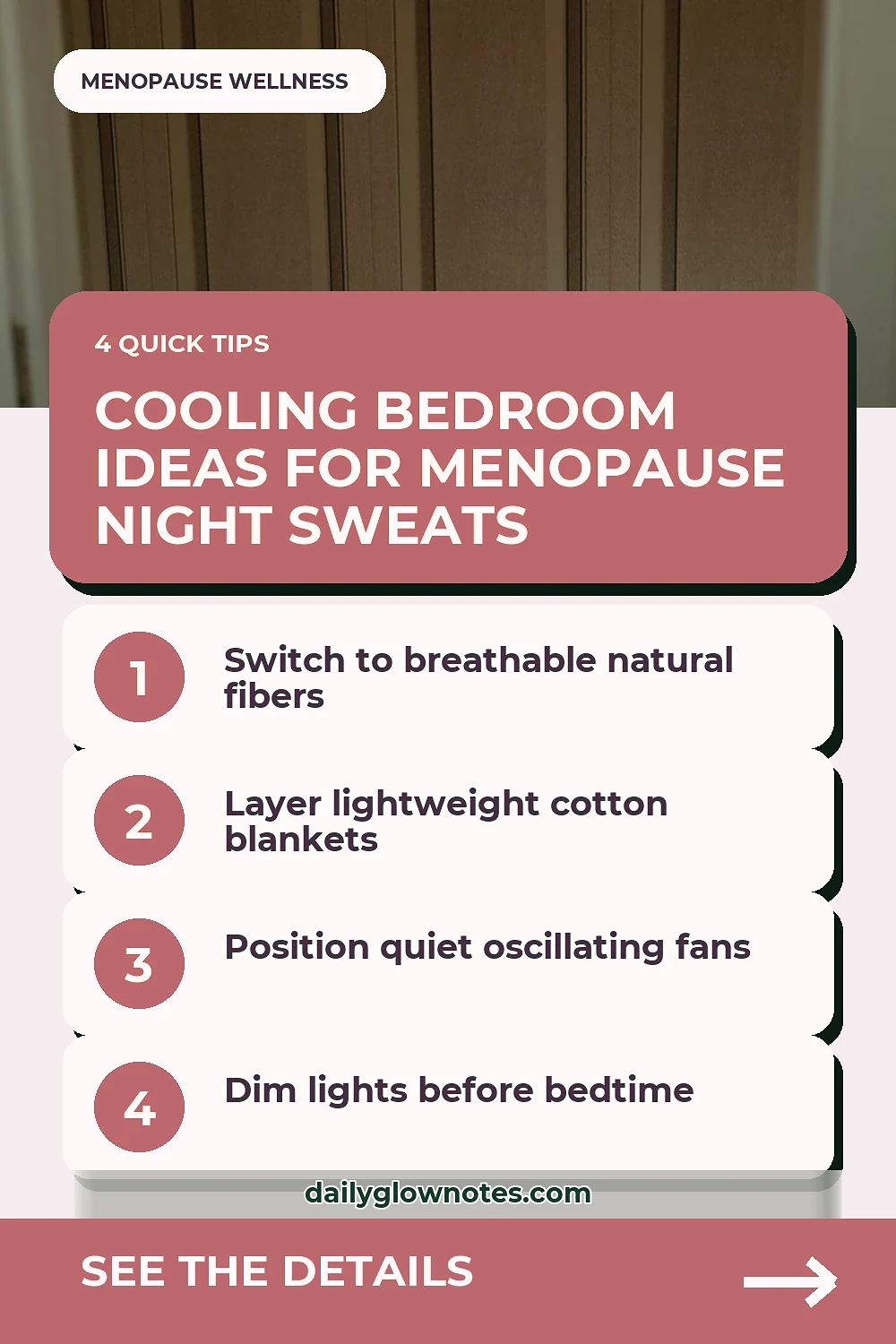
Your mattress, sheets, and pillowcases play a massive role in how your body retains or releases heat throughout the night. Synthetic fabrics like polyester or heavy microfiber trap body heat and moisture against your skin, exacerbating nocturnal hot flashes. Transitioning to breathable natural fibers can dramatically alter your thermal comfort. Pure linen, lightweight cotton percale, and bamboo-derived textiles allow air to circulate freely and wick away moisture before it pools. Consider layering your bedding rather than relying on a single heavy duvet. Using multiple light blankets or a waffle-weave coverlet makes it easy to shed layers instantly when a temperature surge strikes at three in the morning.
Optimizing Airflow and Ambient Room Temperature
Even the best sheets will struggle if your bedroom air remains stagnant. Creating a continuous, gentle cross-breeze can prevent the heavy, humid microclimate that often builds up around the bed. Position a quiet oscillating fan to circulate air across the room without blowing directly and aggressively onto your face, which can dry out your sinuses. If the weather permits, cracking a window open a few inches invites cooler nighttime air inside. Additionally, keeping your thermostat set a few degrees lower than usual during the evening hours provides a chilly baseline that helps offset sudden internal warming.
Crafting a Calm Evening Wind-Down Ritual
Physical heat is often tied to nervous system activation. Stress, an overactive mind, and late-night screen time can trigger cortisol spikes, which frequently amplify vasomotor symptoms like hot flashes and night sweats. Cultivating a soothing pre-sleep routine helps signal to your brain and body that it is time to transition into deep rest. Dimming the lights an hour before bed, practicing gentle restorative stretching, or reading a physical book can help lower your core body temperature and soothe your nervous system. Staying properly hydrated throughout the evening is equally essential, though many women prefer to taper heavy fluid intake right before bed to minimize midnight disruptions. If you wake up parched and needing to replenish fluids, pairing your bedside water with a refreshing option like the drinks detailed in our guide on hydration recovery drinks after night sweats without sugar spikes can help restore balance without causing disruptive glucose fluctuations.