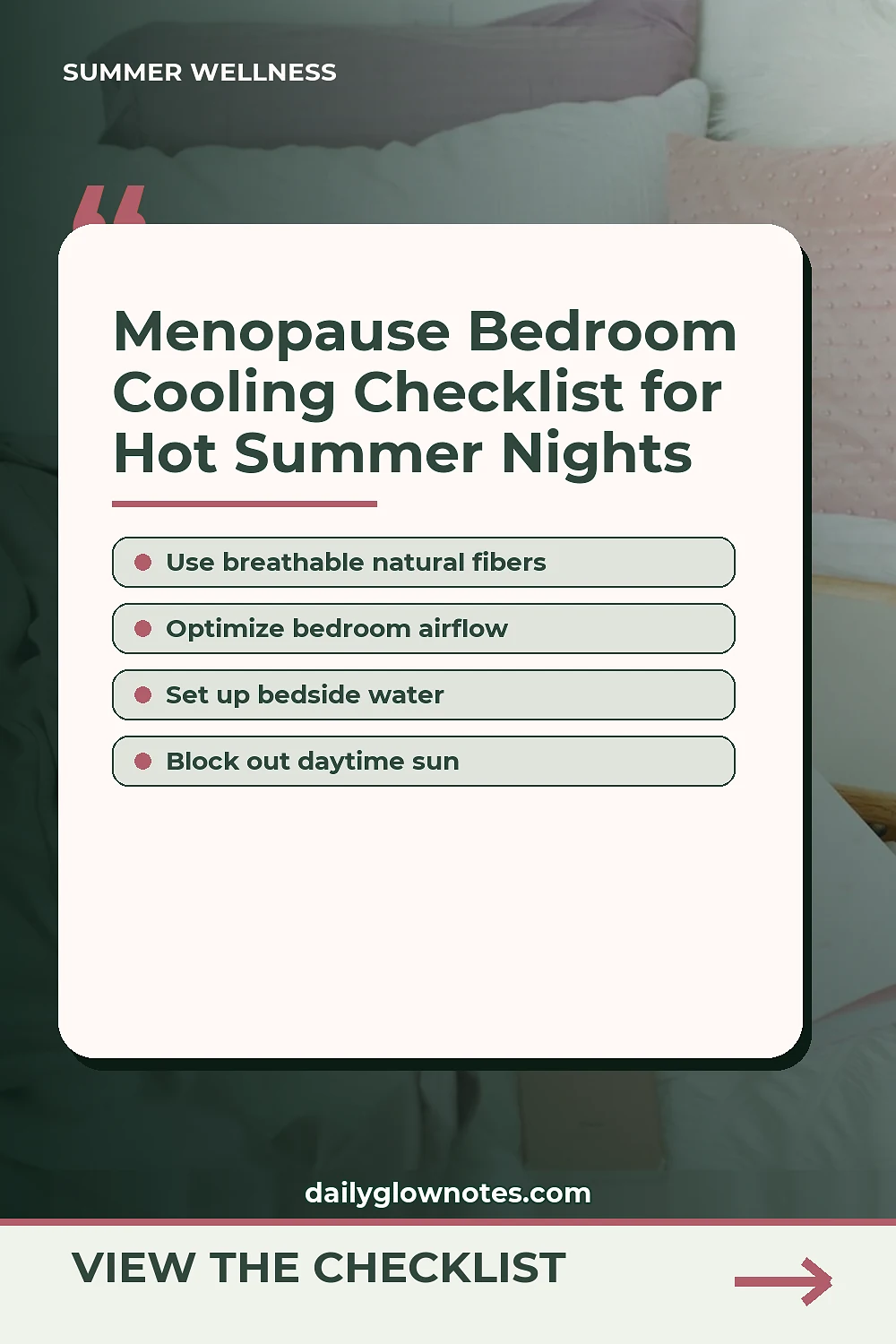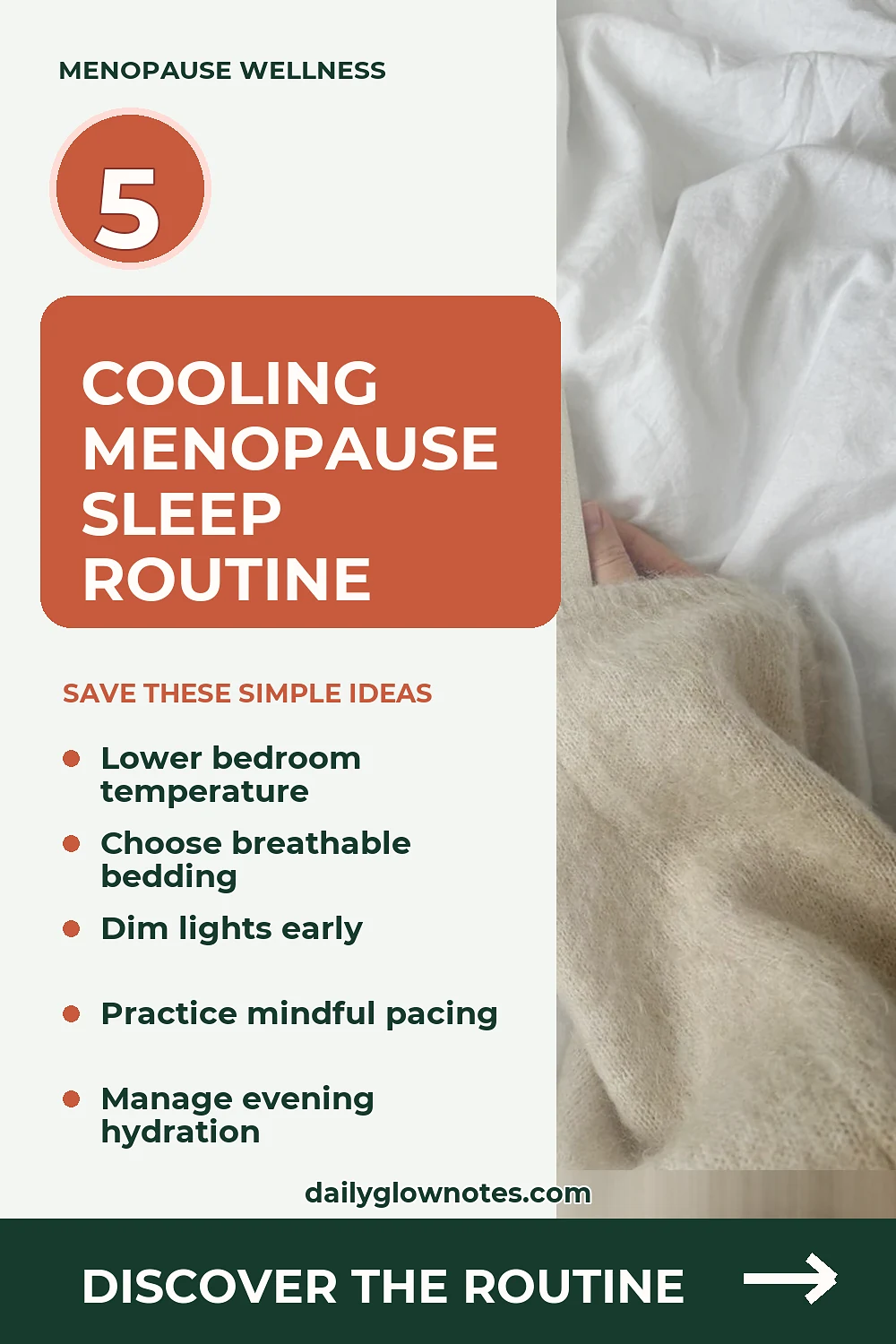


How to Build a Menopause Bedroom Cooling Routine That Actually Helps You Sleep becomes easier to understand when the main ideas are organized into practical, realistic steps. This guide explains the core considerations and shows how to apply them thoughtfully in everyday life to improve your nightly rest.
Waking up in the middle of the night drenched in sweat and desperately throwing off the covers is a frustratingly familiar experience for many women in their forties and fifties. When sudden temperature fluctuations disrupt your rest, your entire bedroom environment needs a thoughtful rethink. Building a menopause bedroom cooling routine for hot sleepers goes far beyond simply turning down the thermostat. It requires a deliberate strategy to manage your micro-climate, adjust your bedding materials, and optimize airflow so you can finally secure deep, uninterrupted sleep.
Assessing Your Current Sleep Micro-Climate
Your bed creates a micro-climate—a small zone of trapped air and heat surrounding your body throughout the night. During perimenopause and menopause, this micro-climate can quickly turn into a heat trap if your mattress and bedding lack breathability. Start by looking closely at what is touching your skin. Heavy synthetics like polyester and nylon trap heat and moisture, preventing your body from naturally cooling down as night falls. Transitioning to lightweight, breathable materials is the foundational step of any effective cooling routine. Look for 100% linen, bamboo-derived rayon, or crisp percale cotton. These natural fibers allow air to circulate freely and wick away moisture, helping you maintain a stable temperature even when a sudden flush hits.
Strategic Bedding Adjustments and Layering
Instead of sleeping under a single heavy comforter that forces you into an all-or-nothing battle with temperature, adopt a modular layering approach. Use multiple lightweight blankets rather than one thick duvet. This allows you to easily peel back layers in the middle of the night without fully waking up or disturbing your partner. Many women also find relief by utilizing specialized cooling blankets infused with phase-change materials that absorb excess body heat. Pair these with moisture-wicking sleepwear made from loose-fitting natural fibers. If you experience heavy night sweats, keeping a dry change of pajamas right on your bedside table can save you from fully waking up during a late-night linen change.