
Waking up in the middle of the night feeling overheated is a frustratingly familiar experience for many women navigating midlife. When internal temperature shifts disrupt your rest, getting through the next day can feel like an uphill battle. Building a targeted evening wind-down routine can help signal to your body that it is time to rest while actively managing the physical discomforts of night-time warmth. By focusing on practical bedroom adjustments, breathable textiles, and gentle pacing, you can create a sanctuary that supports deeper, more restorative sleep.
Optimizing Your Bedroom Microclimate
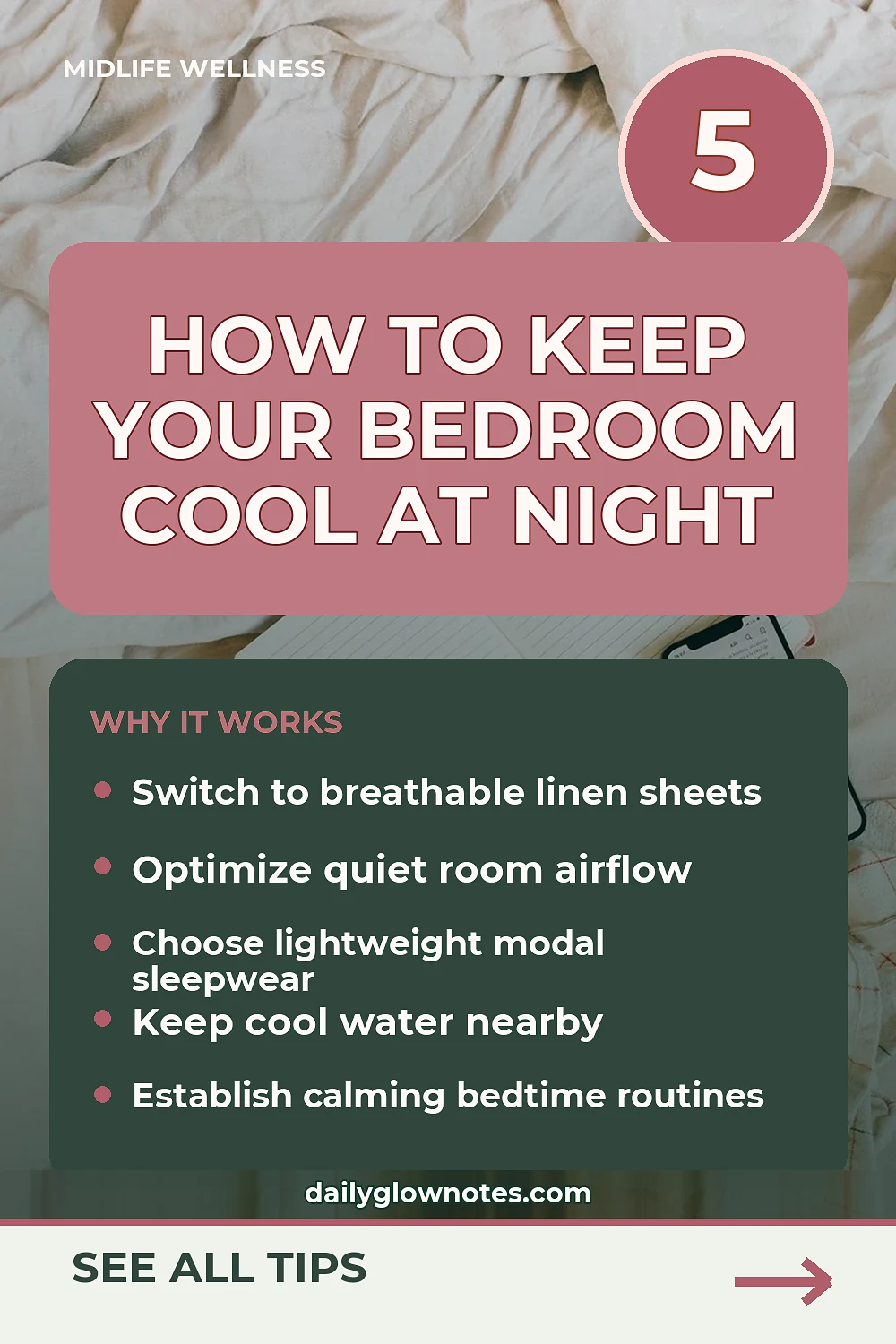
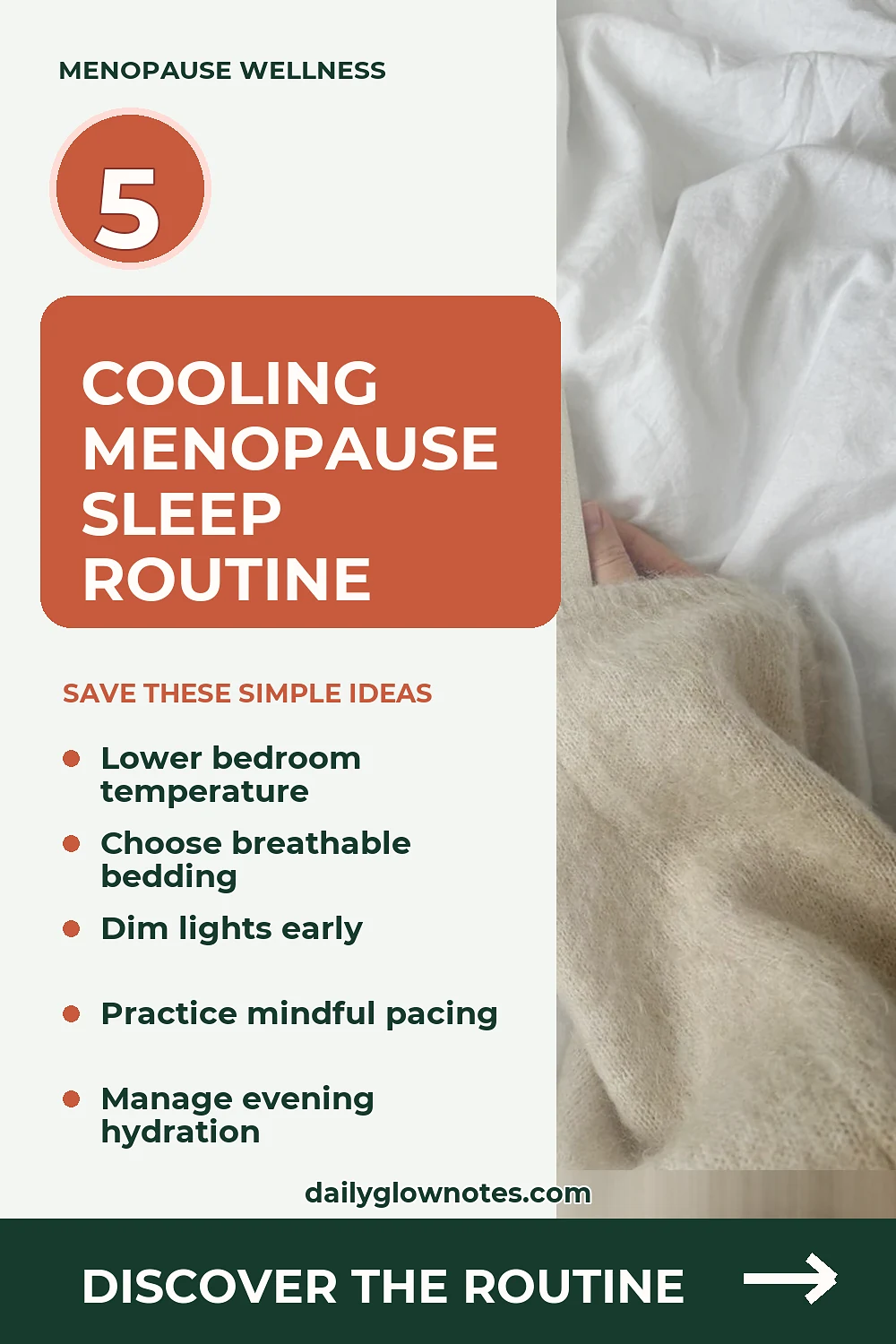
The environment in which you sleep plays a powerful role in how comfortably you rest through the night. Lowering the ambient temperature of your bedroom is one of the most effective ways to counteract sudden warmth. Aim to keep your sleeping space noticeably cool, around 65 degrees Fahrenheit, to help your body maintain a stable baseline temperature. Circulating air with a quiet bedside fan can also prevent stagnant warmth from settling around your blankets.
Beyond the air temperature, pay close attention to what is touching your skin. Heavy synthetic materials often trap heat, intensifying night sweats and general restlessness. Transitioning to lightweight, moisture-wicking bedding made from natural fibers like crisp percale cotton, linen, or bamboo can dramatically change your nighttime comfort. These materials breathe easily, allowing air to circulate freely around your body so you can stay dry and comfortable until morning.
Mindful Evening Pacing and Nervous System Quieting
Rushing straight from a busy day into a warm bed can keep your nervous system in a state of high alert, making it harder for your body to regulate its temperature. Crafting a purposeful transition period helps ease the shift into rest. Dimming the overhead lights an hour before bedtime signals your brain to begin producing melatonin, the hormone responsible for regulating your sleep-wake cycle.
Instead of scrolling through a glowing phone screen, which emits blue light and elevates mental alertness, opt for calming tactile activities. Gentle stretching, reading a physical book, or practicing slow, deep breathing exercises can soothe a racing mind. When your nervous system feels grounded, your body is much better equipped to transition smoothly into deep sleep without sudden spikes in tension or restlessness.
Hydration and Late-Night Nourishment Choices
What you consume in the hours leading up to bedtime has a direct impact on your nighttime comfort. While staying hydrated throughout the day is essential, tapering off your fluid intake an hour or two before sleep can help minimize disruptive nighttime trips to the bathroom. Keep a glass of cool water on your nightstand just in case you wake up thirsty, but sip mindfully rather than drinking a large amount all at once.
Heavy meals, spicy foods, and alcohol close to bedtime can also interfere with your internal thermostat, triggering sudden warmth and digestive unrest. Opting for a light, soothing snack if you are genuinely hungry—such as a small handful of almonds or a warm cup of caffeine-free herbal tea like chamomile or peppermint—can satisfy your evening appetite without overloading your system as you try to rest.