
There is a specific kind of fatigue that settles into your bones after three straight hours in the passenger seat of a car. When you are navigating midlife hormonal changes, long drives can feel less like a scenic getaway and more like a test of your physical endurance. The subtle shifts in your body—a sudden wave of warmth, tight shoulders from clutching the door handle, or restless legs from a cramped posture—tend to amplify when your routine is disrupted. Packing the car and mapping the GPS route are second nature, but preparing your internal landscape for the journey is just as crucial. A thoughtful road-trip wellness reset can completely transform how you experience travel, helping you stay grounded, comfortable, and emotionally balanced from your driveway to your final destination.
Curating Your Personal Comfort Kit Before You Leave
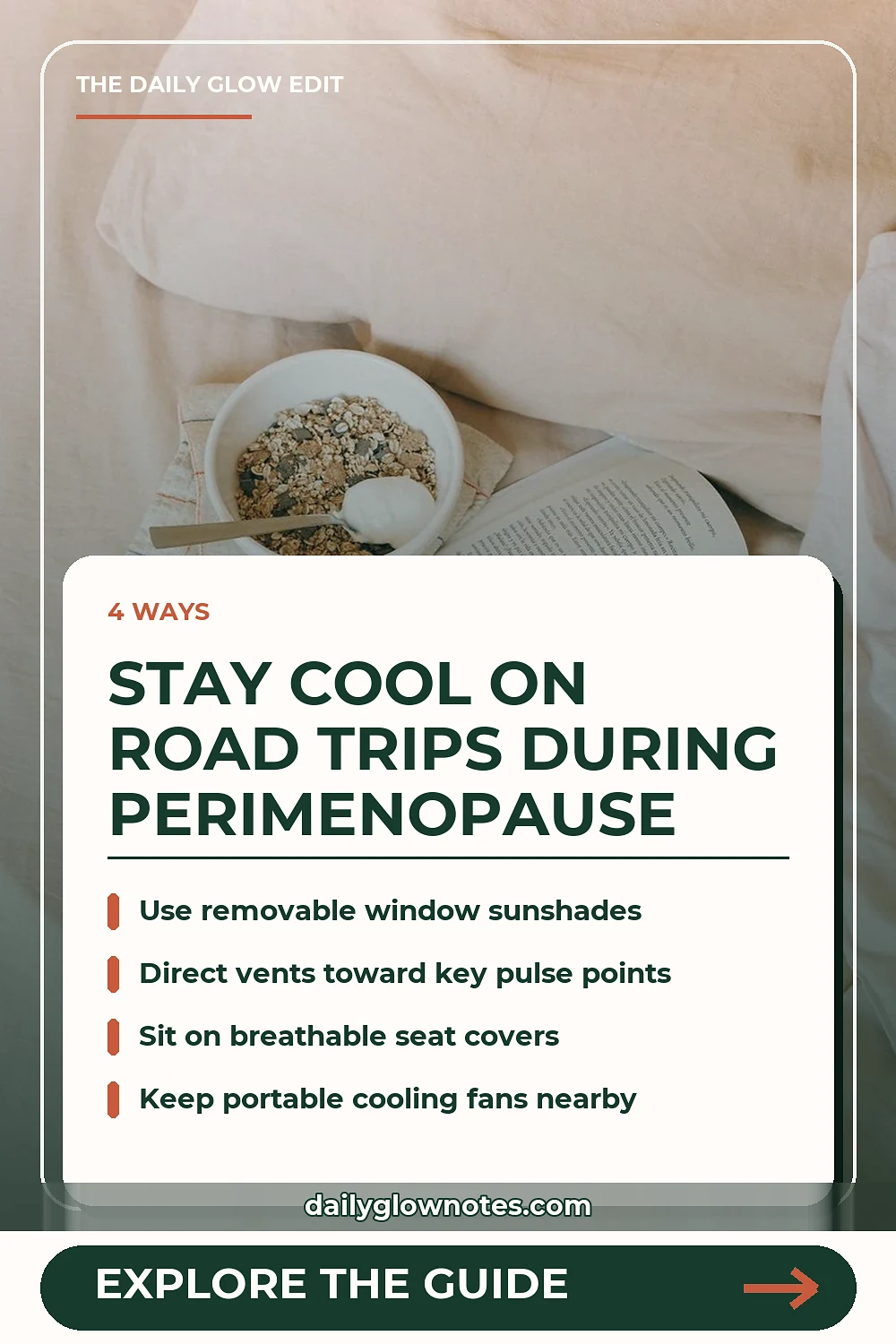
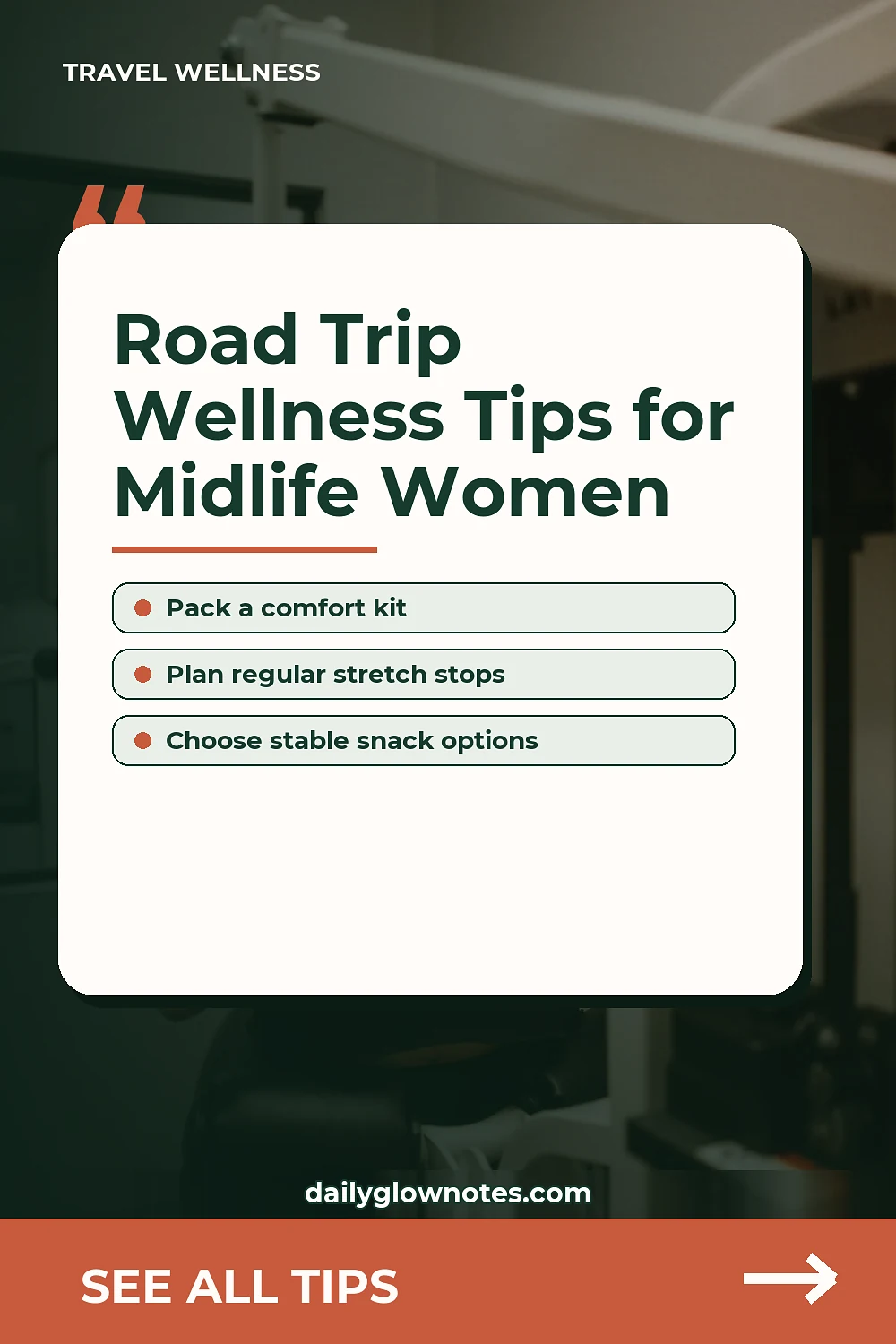
Long stretches of highway demand more than a good playlist and a bag of snacks. When midlife changes bring fluctuating body temperature and shifting energy levels, your vehicle becomes your temporary sanctuary. Building a dedicated comfort kit is the first step in your pre-trip reset. Toss a breathable linen scarf and a lightweight, natural-fiber wrap into your carry-on so you can easily adjust to the fluctuating air conditioning of the car. Pack a cooling facial mist, a supportive lumbar pillow, and a soft sleep mask for passenger-seat rest stops. These tactile comforts may seem small, but having them immediately accessible prevents minor physical irritations from derailing your mood. When your physical environment feels soothing, your mind can relax into the rhythm of the open road, allowing you to actually enjoy the scenery rather than just endure the miles.
Redefining the Road Trip Itinerary with Planned Pause Points
We often fall into the trap of treating a road trip as a race against the clock, eager to make good time and check off the miles. However, rushing from point A to point B often leads to physical stiffness and mental fatigue, particularly when your body craves gentle movement and moments to stretch. Redefining your itinerary to include intentional pause points changes the entire dynamic of the journey. Instead of pushing through four hours of driving, look for scenic overlooks, quiet country bakeries, or peaceful parks roughly every ninety minutes. Stepping out of the car for a five-minute walk revitalizes circulation, eases tension in your lower back, and clears mental fog. Treating these stops not as inconveniences, but as essential chapters of the travel experience, helps you arrive feeling refreshed instead of depleted.
Fueling Your Body for Stable Energy on the Move
Gas station snacks and fast-food drive-thrus are convenient road trip staples, but relying entirely on processed carbohydrates and sugary drinks can send your energy levels on a frustrating roller coaster. When navigating midlife transitions, keeping your blood sugar steady is one of the best ways to protect your emotional resilience and stamina. Pack a small cooler with hydrating options like crisp cucumber slices, fresh berries, hard-boiled eggs, and handfuls of raw almonds. Prioritizing hydration is equally vital, though it requires a bit of strategy on long drives. Sip water consistently rather than chugging a massive bottle all at once, which ensures you stay comfortably hydrated without forcing you to hunt for a restroom every twenty miles. Integrating gentle daily habits like these into your travel routine provides a steady foundation of well-being, much like how you might approach your morning rituals at home. In fact, establishing small pockets of mindfulness mirrors the gentle start explored in our guide on how to find peace in the first ten minutes of your day, proving that simple grounding techniques travel well anywhere.