
When the back-to-school season hits, the entryway wall becomes a command center. You have the dry-erase calendar filled with soccer practices, dentist appointments, and project deadlines. The family schedule is color-coded and synchronized across every digital device. Yet, amid the logistical Tetris of keeping a household running, one vital piece of the puzzle often goes missing: your own internal rhythm. For many women in their forties, this is the season where the disconnect between the family's needs and their own physical comfort becomes most acute.
Reclaiming the Morning Anchor
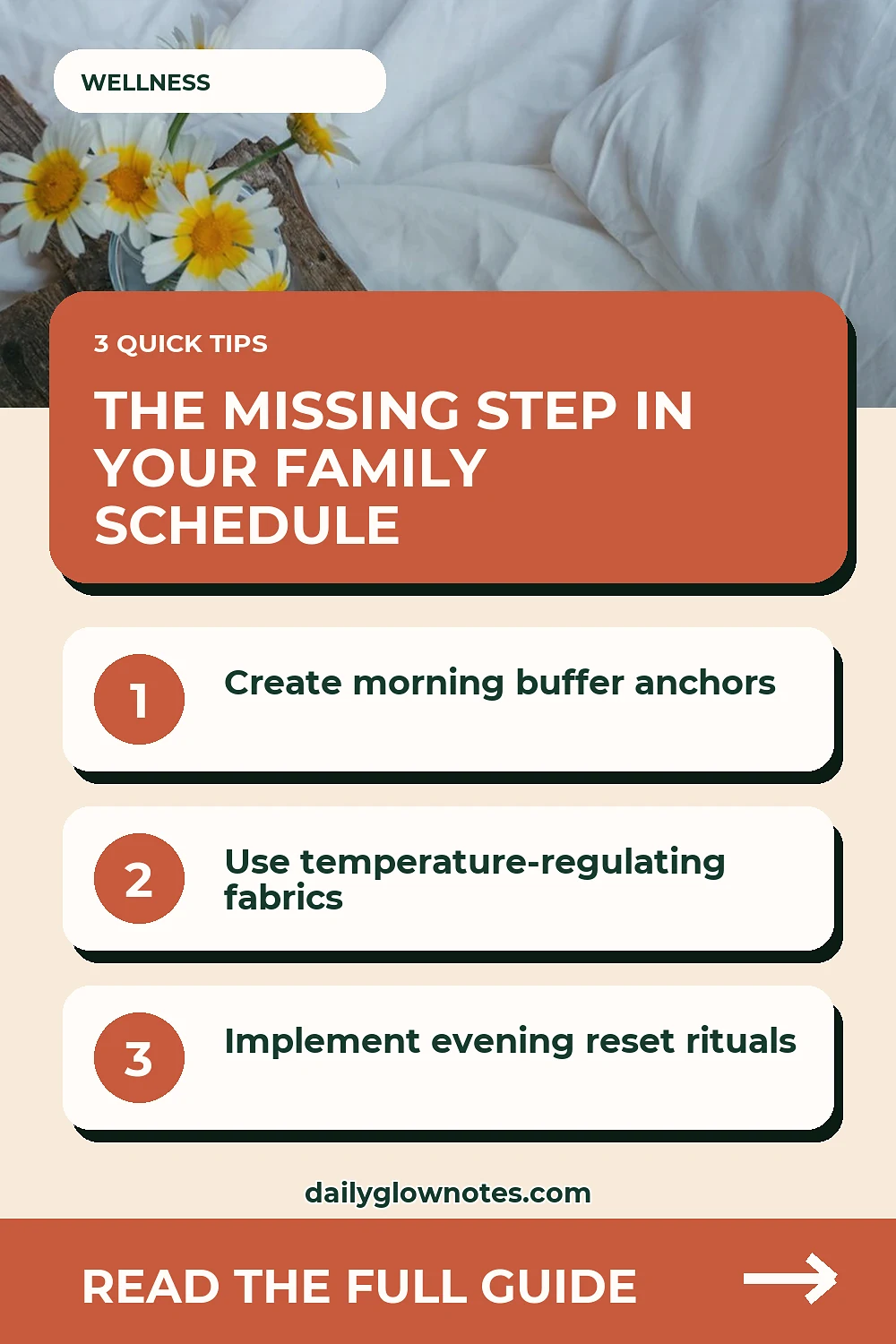
The morning rush is usually a flurry of packing lunches, finding missing shoes, and ensuring everyone has their backpack. By the time the front door closes, your nervous system is already in a state of high alert. Instead of shifting immediately into work or household tasks, consider the concept of a "buffer anchor." This isn't about adding another task to your list, but rather reclaiming five minutes of intentional sensory input. For some, this looks like sitting with a cold glass of water and a light layer of clothing before the day fully begins, focusing entirely on temperature regulation and breath.
Perimenopause often brings heightened sensitivity to environmental changes. A simple routine of wearing breathable, natural fabrics can make the transition between the frantic morning and the quiet mid-morning much smoother. When you prepare your space the night before—laying out a light scarf, keeping a water bottle at the ready, and ensuring your environment is ventilated—you are signaling to your body that your comfort is a priority, not an afterthought. This practice is a gentle way to stay grounded, similar to how we encourage a low-pressure guide to tracking your wellbeing in midlife, which helps you notice patterns rather than judge them.
The Evening Reset Ritual
Just as the morning needs a buffer, the evening requires a deliberate "cool down." The transition from school-year obligations to rest is often abrupt, which can disrupt sleep quality—a common challenge during midlife. Rather than collapsing onto the couch and scrolling through your phone, try a ten-minute reset. This might involve dimming the lights, changing into comfortable, temperature-appropriate loungewear, and engaging in a low-intensity activity that signals the end of the day's demands.
This is also a practical time to evaluate how you feel physically. Are you overheated? Is your energy depleted? Taking a moment to acknowledge these sensations without frustration is a form of self-care. Some women find that incorporating a supportive wellness supplement, such as NuviaLab Meno, into their evening routine acts as a helpful, consistent marker of this transition time. While this doesn't replace rest, it can serve as a small, daily ritual that acknowledges your specific needs during this life stage, helping you maintain a sense of calm consistency.