
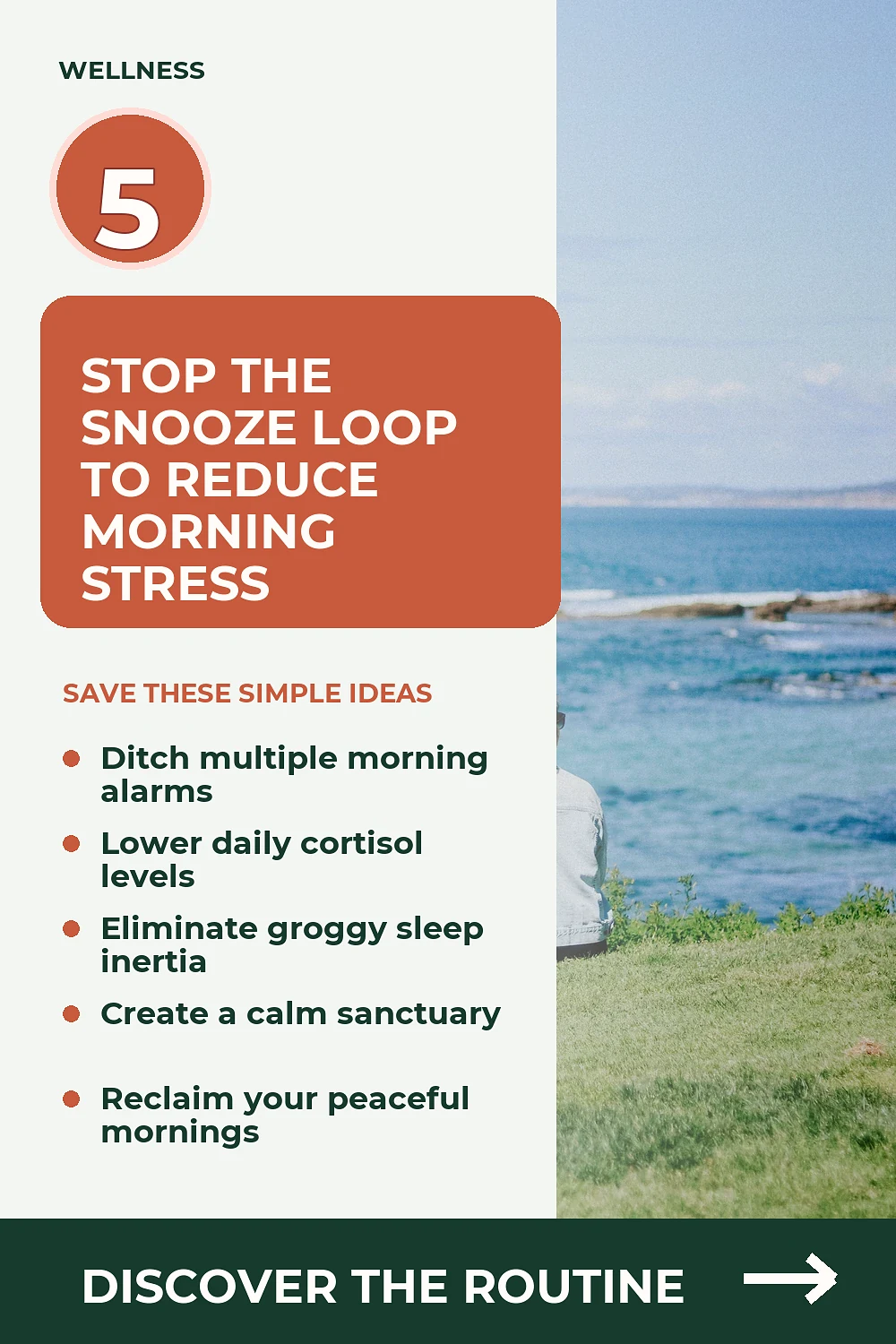
If your morning begins with the jarring sound of three, four, or five alarms spaced precisely nine minutes apart, your nervous system is likely enduring a daily shock long before your feet even touch the floor. That cascading series of digital chimes might feel like a practical way to guarantee you do not oversleep, but to your body, it functions as a repeating cycle of mini-emergencies. You wake from deep sleep abruptly, panic slightly, drift back off, and get jolted awake all over again. This practice, often called alarm stacking or snooze looping, trains your stress response to take the wheel from the very first minute of the day. Instead of stepping gracefully into your morning routine, you launch straight into reaction mode, flooding your system with cortisol and adrenaline before you have even poured a glass of water. Recognizing the hidden stress triggers embedded in this routine is the first step toward reclaiming your mornings and fostering a deeper sense of everyday calm.
Understanding the broader context of how we manage our mornings helps illuminate why small adjustments yield profound mental health benefits over time. Modern life places constant demands on our attention, making the opening moments of the day exceptionally precious. When we safeguard those moments from artificial urgency, we build psychological resilience that protects us throughout the afternoon and evening.
The Physiological Toll of the Nine-Minute Snooze
That classic nine-minute snooze interval is a relic of mechanical clock design, yet it dictates how millions of people begin their mornings. When an alarm startles you awake, your sympathetic nervous system activates immediately, triggering the fight-or-flight response. Your heart rate spikes, blood pressure rises, and stress hormones surge. Falling back asleep for just a few minutes plunges you right back into a fragmented sleep cycle, only to be yanked out of it again by the next chime. This repeated interruption creates sleep inertia, a state of prolonged grogginess and cognitive fog that can linger for hours. By the time you finally drag yourself out of bed, your emotional reserves are already depleted, making minor morning friction feel like major obstacles. Shifting away from this cycle requires understanding how these micro-shocks accumulate into chronic daily tension.
Why Chronological Fragmentation Fuels Anxiety
Starting your day in a state of repeated panic sends a powerful signal to your brain: the environment is unsafe and demands constant vigilance. When your earliest thoughts are tied to rushing, catching up, and apologizing for running behind, your baseline anxiety remains elevated throughout the day. This chronological fragmentation prevents your mind from settling into focus. Instead of approaching your morning coffee, stretching, or journaling with a peaceful mindset, you carry the physical residue of a chaotic wake-up call into your emails, meetings, and daily responsibilities. Breaking this pattern is not about becoming a rigid morning person who springs out of bed at dawn; it is about eliminating unnecessary friction and establishing a gentle, predictable boundary between rest and activity.