
The Night Sweat Bedroom Cooling Checklist for Hot Summer Nights becomes easier to understand when the main ideas are organized into practical, realistic steps. This guide explains the core considerations and shows how to apply them thoughtfully in everyday life.
Waking up in the middle of the night feeling overheated can completely derail your rest, leaving you exhausted before the sun even rises. For women navigating midlife, perimenopause, and menopause, summer heatwaves can intensify nighttime temperature fluctuations, turning a peaceful bedroom into an uncomfortable micro-climate. When your internal thermostat shifts unpredictably, managing your immediate environment becomes one of the most empowering steps you can take for your overall wellbeing. Creating a cooler, more supportive sleeping space doesn't require a total home renovation. Instead, focusing on practical micro-adjustments can help you reclaim your nights and wake up feeling more refreshed.
Rethink Your Bedset with Breathable Natural Fibers
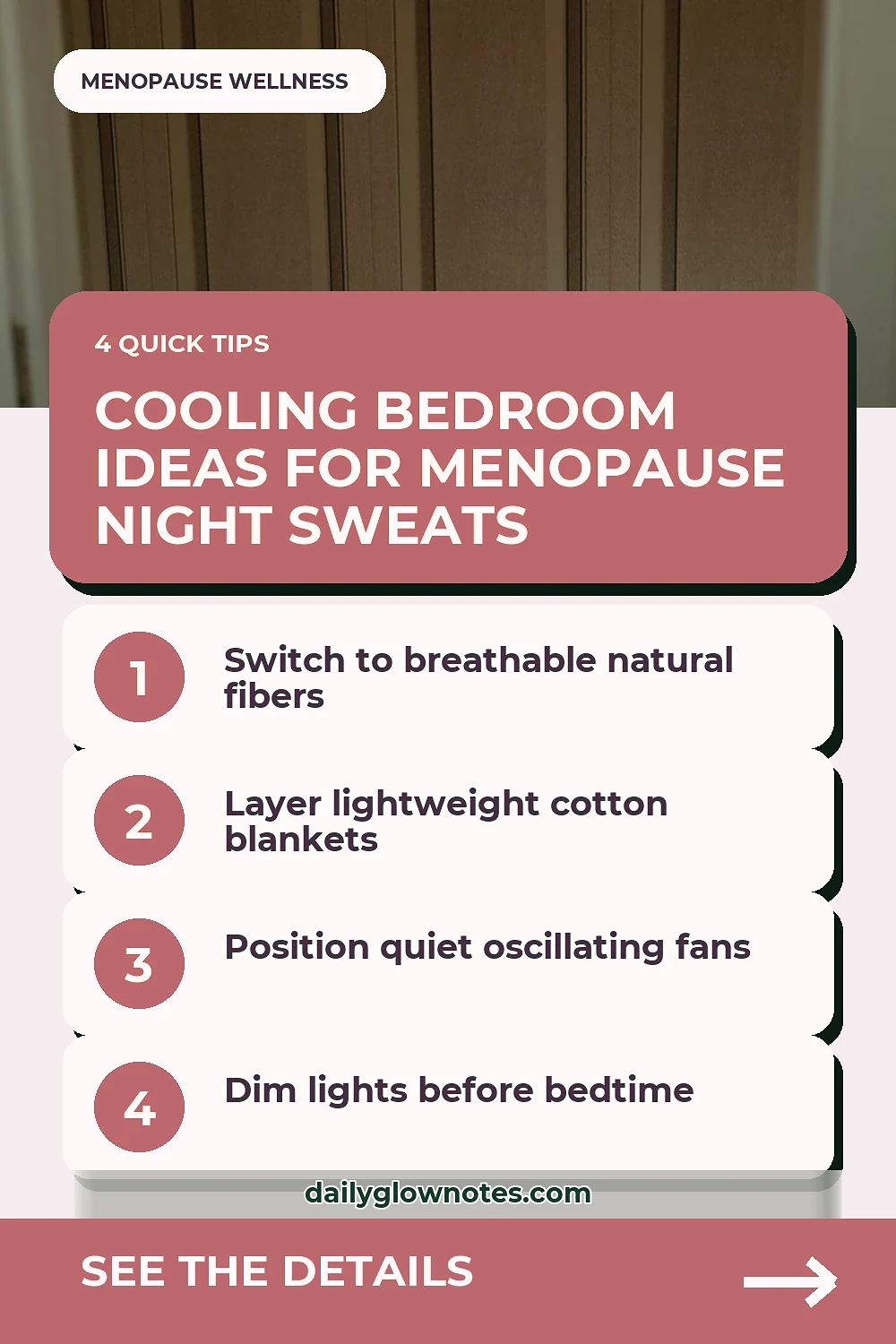
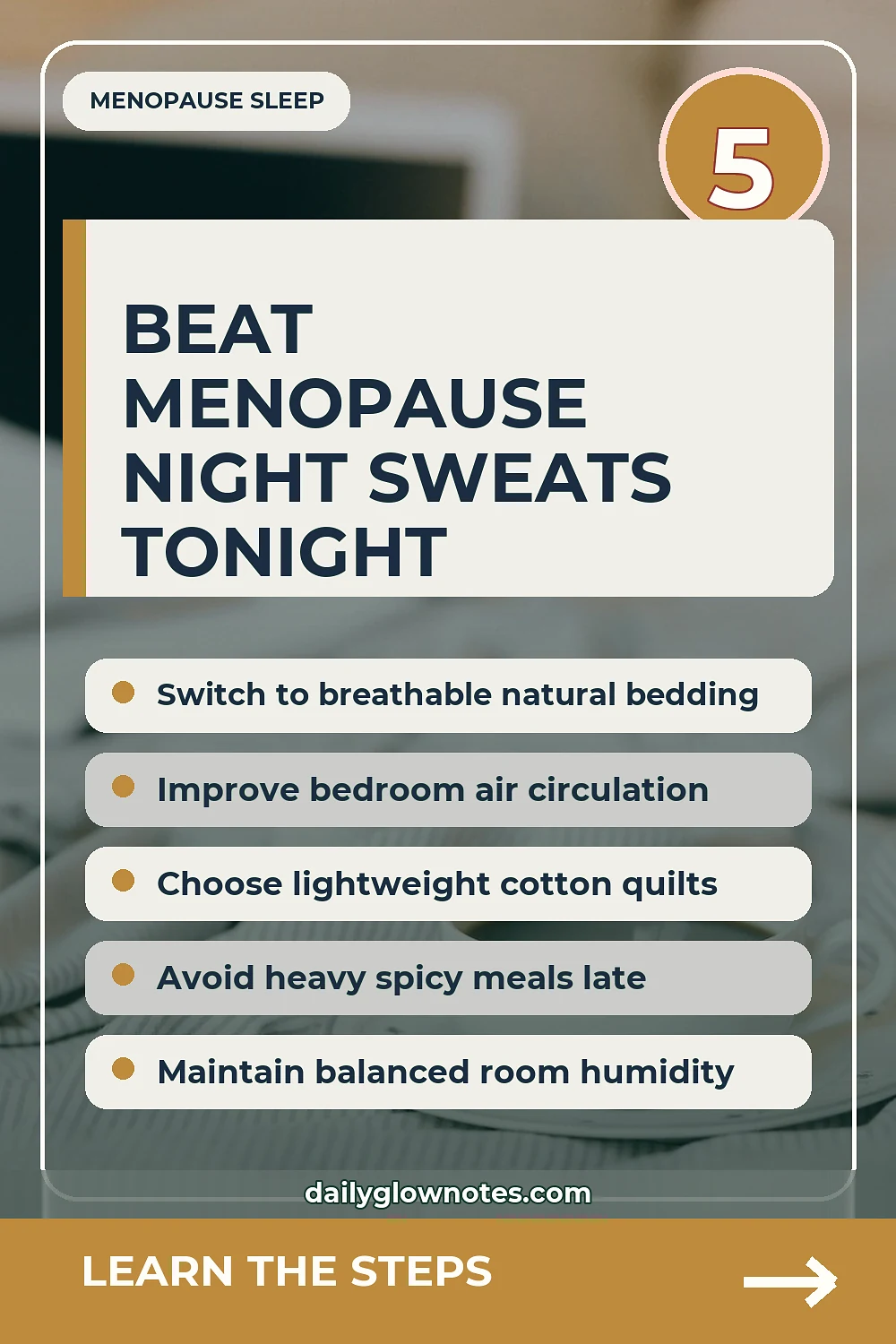
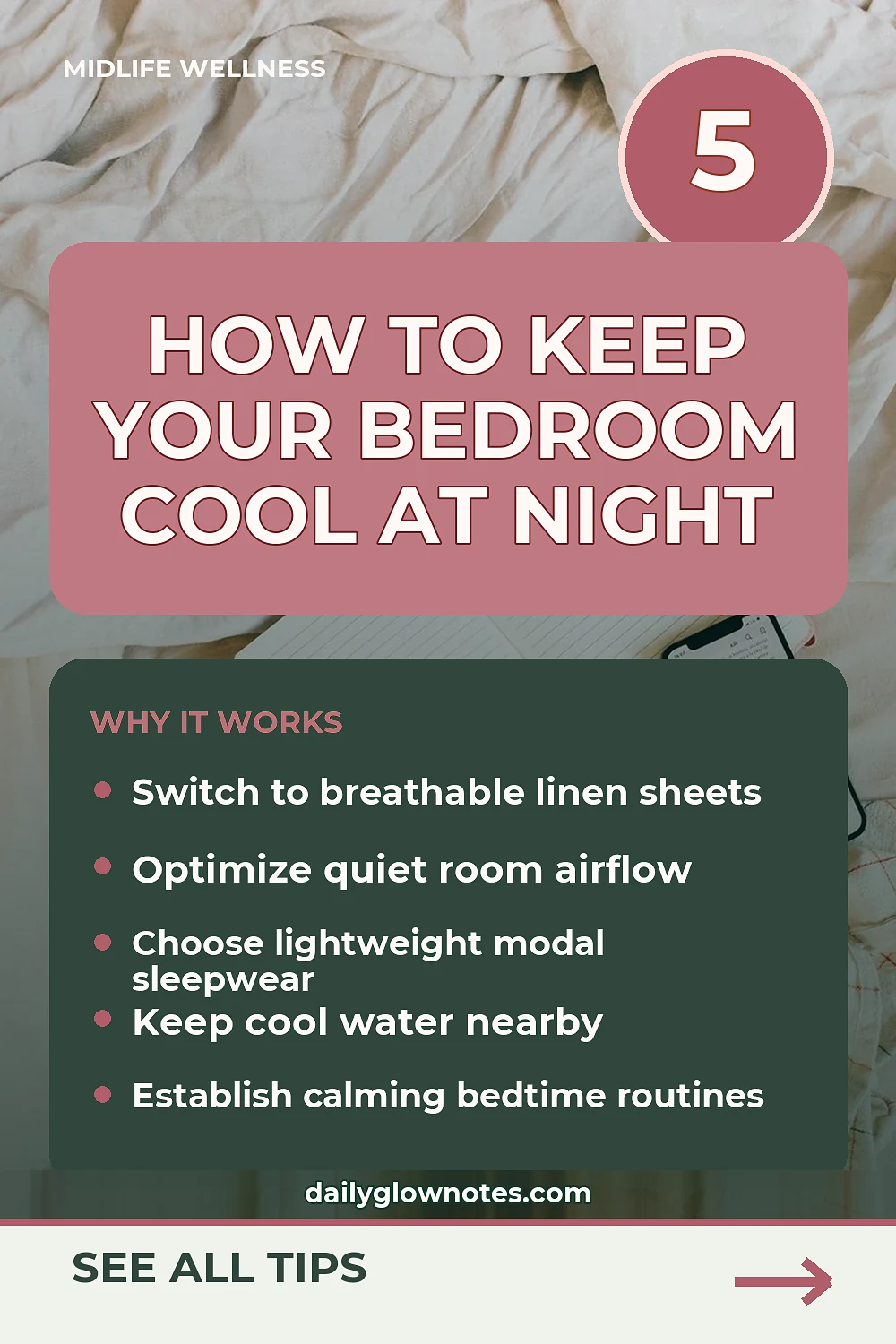
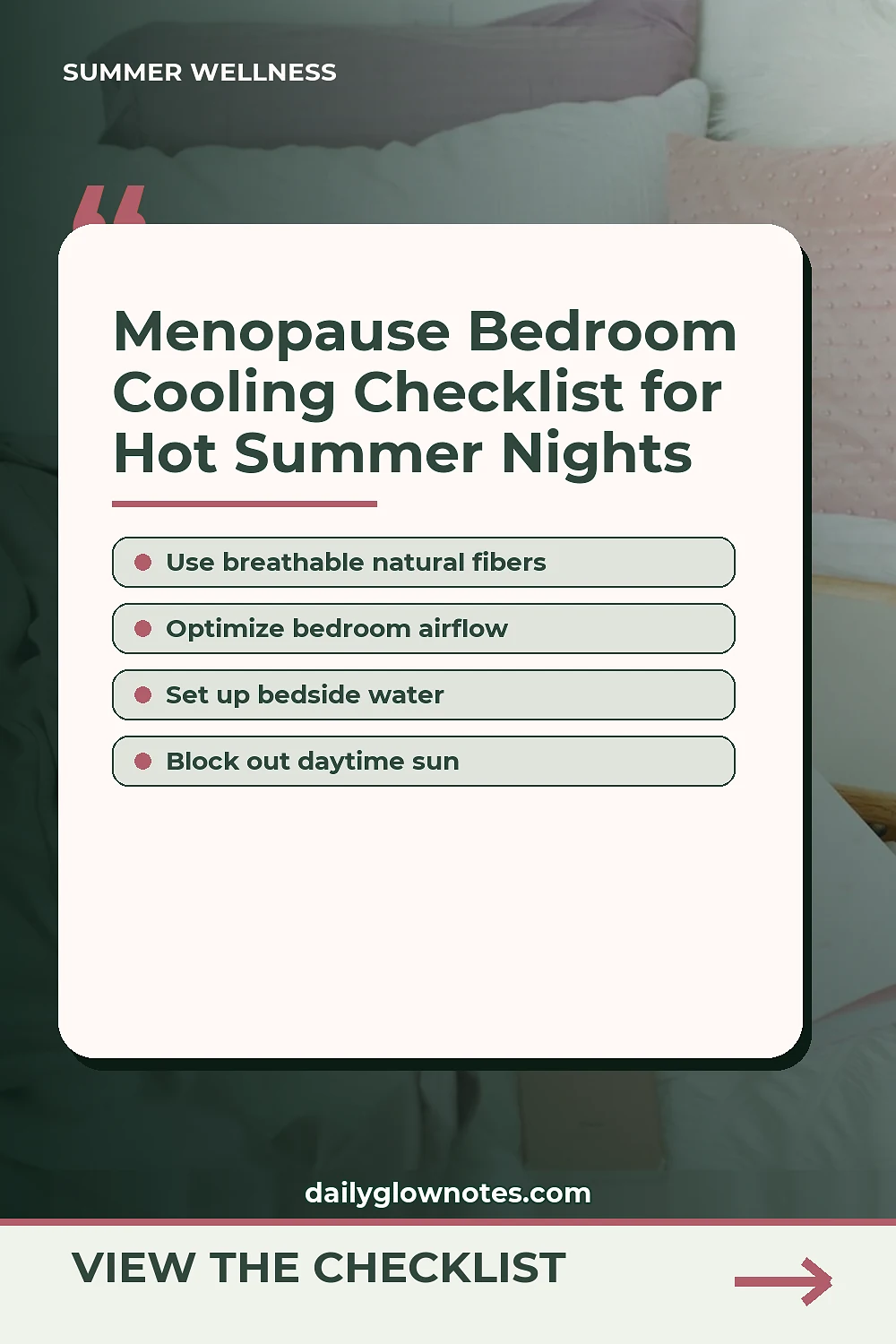
Your sheets and blankets act as the primary interface between your body and the surrounding air. Synthetic fabrics like polyester or heavy microfiber tend to trap heat and moisture, creating a warm barrier that exacerbates night sweats. Swapping these out for crisp, breathable natural fibers can make an immediate difference in how your skin breathes while you sleep. Lightweight linen, organic cotton, and bamboo-derived textiles allow air to circulate freely and wick away moisture naturally. When putting together a cooling bedroom setup, choose loose-weave blankets instead of heavy comforters so you can easily adjust your layers throughout the night without fully waking up.
Optimize Airflow and Micro-Climate Dynamics
Air circulation is a powerful tool for preventing stagnant, warm air from settling around your bed. Positioning a quiet oscillating fan strategically can help keep air moving continuously without creating an intrusive draft. If outdoor temperatures drop after sunset, creating a cross-breeze by opening windows on opposite sides of the house can help flush out trapped daytime heat before you climb into bed. For those particularly warm evenings, some people find comfort in keeping a low-decibel floor fan running to encourage steady air exchange. Pairing these airflow strategies with room-darkening shades during peak daylight hours prevents your bedroom from absorbing excessive solar heat in the first place.