
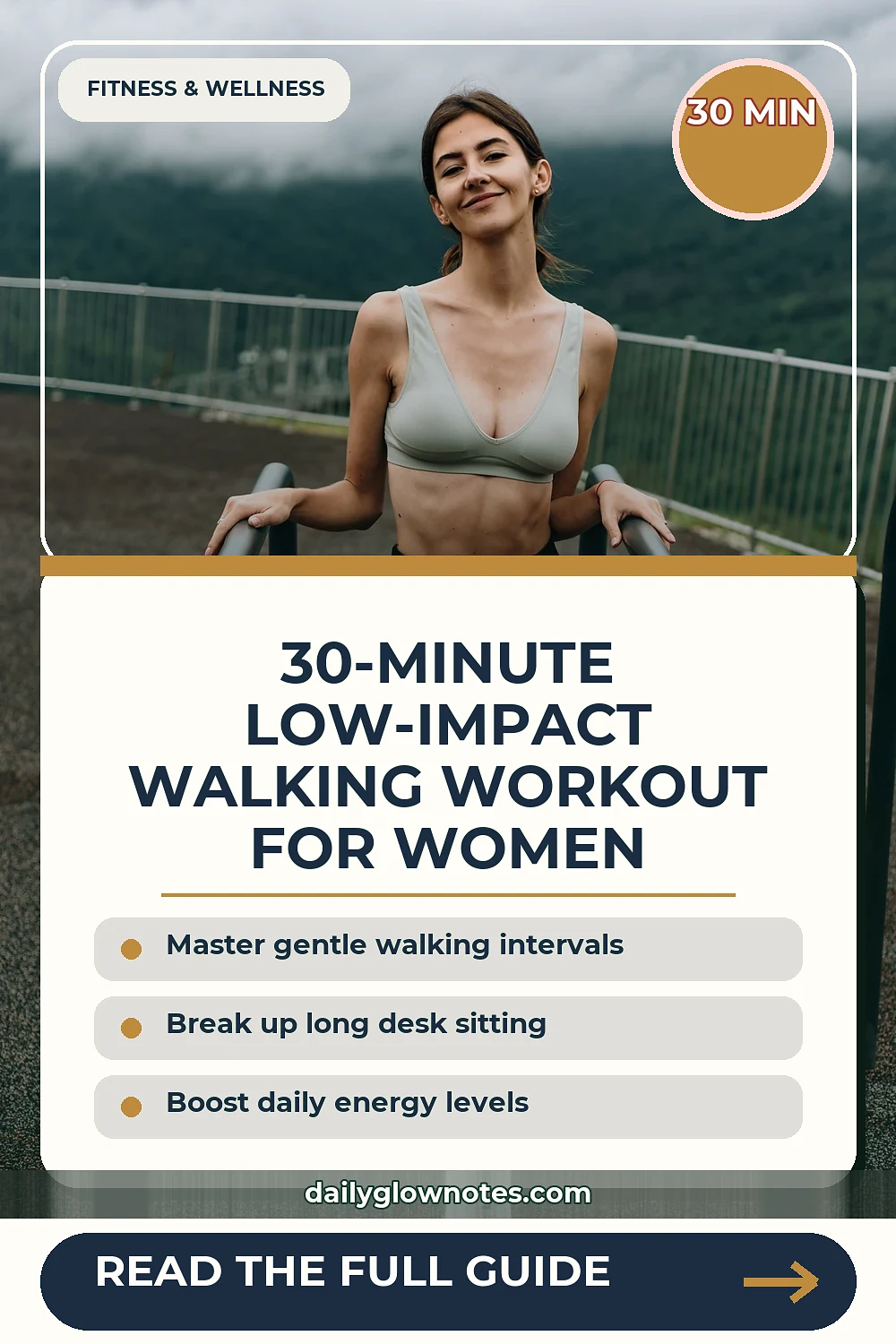
Sitting for long stretches at a desk can leave you feeling drained, sluggish, and disconnected from your physical health. When daily schedules get busy, the thought of committing to high-intensity gym sessions often feels overwhelming rather than energizing. Building an effective routine does not require extreme measures or exhausting workouts. A structured, low-impact walking workout for women offers a sustainable way to increase daily movement, refresh your focus, and build physical momentum without causing undue stress on your joints or schedules.
Walking is one of the most accessible forms of physical activity available. By adding simple pace variations and consistent daily targets, you transform a casual stroll into an intentional workout routine that supports active living, balanced energy levels, and long-term vitality.
2Structuring Your Low-Impact Walking Routine
To make walking feel like a deliberate workout rather than just another item on your to-do list, structuring your time helps keep you engaged. A routine builder format relies on brief intervals of effort paired with manageable recovery periods, allowing you to build stamina gradually.
- Warm-up (5 minutes): Begin with an easy, comfortable pace to loosen your joints and prepare your muscles. Focus on relaxing your shoulders and maintaining an upright, neutral posture.
- Steady brisk pace (10 minutes): Increase your speed until your breathing deepens, but you can still hold a simple conversation. Swing your arms gently to engage your upper body and propel your momentum.
- Energy intervals (10 minutes): Alternate between 1 minute of purposeful, faster walking and 1 minute of your moderate recovery pace. This moderate variation raises your heart rate gently without feeling overwhelming.
- Cool-down (5 minutes): Gradually slow your pace back to a gentle walk, allowing your heart rate to settle while taking full, relaxing breaths.
This 30-minute structure fits neatly into a lunch break or a morning routine, making it practical for women with sedentary desk jobs who want to break up long hours of sitting.
2Optimizing Daily Movement Beyond the Workout
A structured 30-minute session provides a solid foundation, but supporting your overall health means looking at your total daily movement. Small, deliberate actions throughout the day add up significantly, helping to offset the physical fatigue associated with prolonged sitting.
Setting minor movement triggers—such as standing up during phone calls, taking a quick five-minute walk after meals, or choosing the longer route across the office—keeps your circulation active. If you frequently feel sluggish halfway through your afternoon, conducting a midday energy-dip audit for desk-based workdays can help you identify whether your fatigue stems from lack of physical activity, dehydration, or poor posture.
2