
The afternoon energy slump is a familiar visitor for anyone tethered to a desk for eight hours a day. Your shoulders creep toward your ears, your lower back feels tight, and that focus you had at 9:00 AM starts to drift. While the temptation to push through until quitting time is strong, true productivity and long-term wellness rely on breaking that cycle of stagnation. Developing an active living routine for desk workers doesn't require a gym membership or a massive block of time; it simply requires intentionality and a few micro-habits that fit seamlessly into your existing workflow.
Redefining Your Desk Space for Consistent Movement
Movement is the most effective antidote to the physical fatigue that comes from sitting. When you move, you signal to your body that it is time to wake up, encouraging blood flow and mental clarity. By treating your work day as a series of active intervals rather than a static marathon, you can manage your energy levels more effectively throughout the day. This approach supports your broader goals, whether you are focusing on sustainable weight management or simply trying to feel more comfortable in your body.
The Power of Micro-Habits During Work Hours
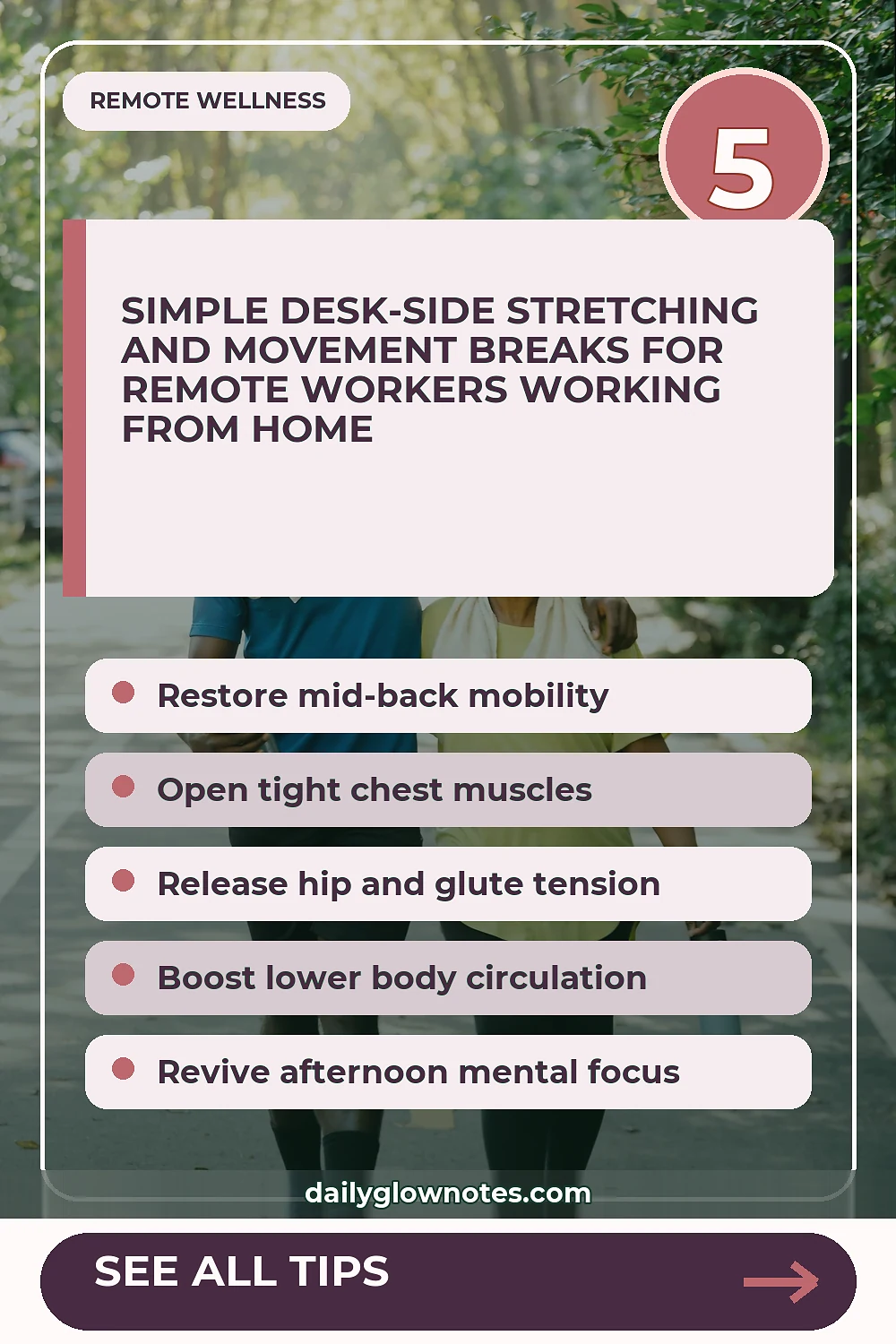
Consistency often feels elusive when your calendar is packed with meetings. The solution lies in micro-habits—small, low-effort actions that take less than two minutes but pay off in better posture and increased alertness. Think of these as "movement snacks." You don't need to break a sweat to reap the rewards. Simple actions like standing up to stretch, taking a quick walk to the kitchen for water, or performing a set of calf raises while you wait for a file to download can shift your physiological state.
If you find that your routine feels rigid, consider how you can integrate movement into tasks you already perform. If you are on a phone call that doesn't require screen time, make it a pacing meeting. If you are waiting for a program to load, use that time for gentle neck rolls or shoulder shrugs. These small adjustments prevent the "stuck" feeling that builds up by mid-afternoon. For those who are building a foundation of physical activity, establishing these habits can serve as a great precursor to more structured routines, like learning how to plan your first outdoor cardio week for sustainable success. Starting with the small stuff makes the bigger transitions feel much more natural.
Designing a Sustainable Movement Checklist
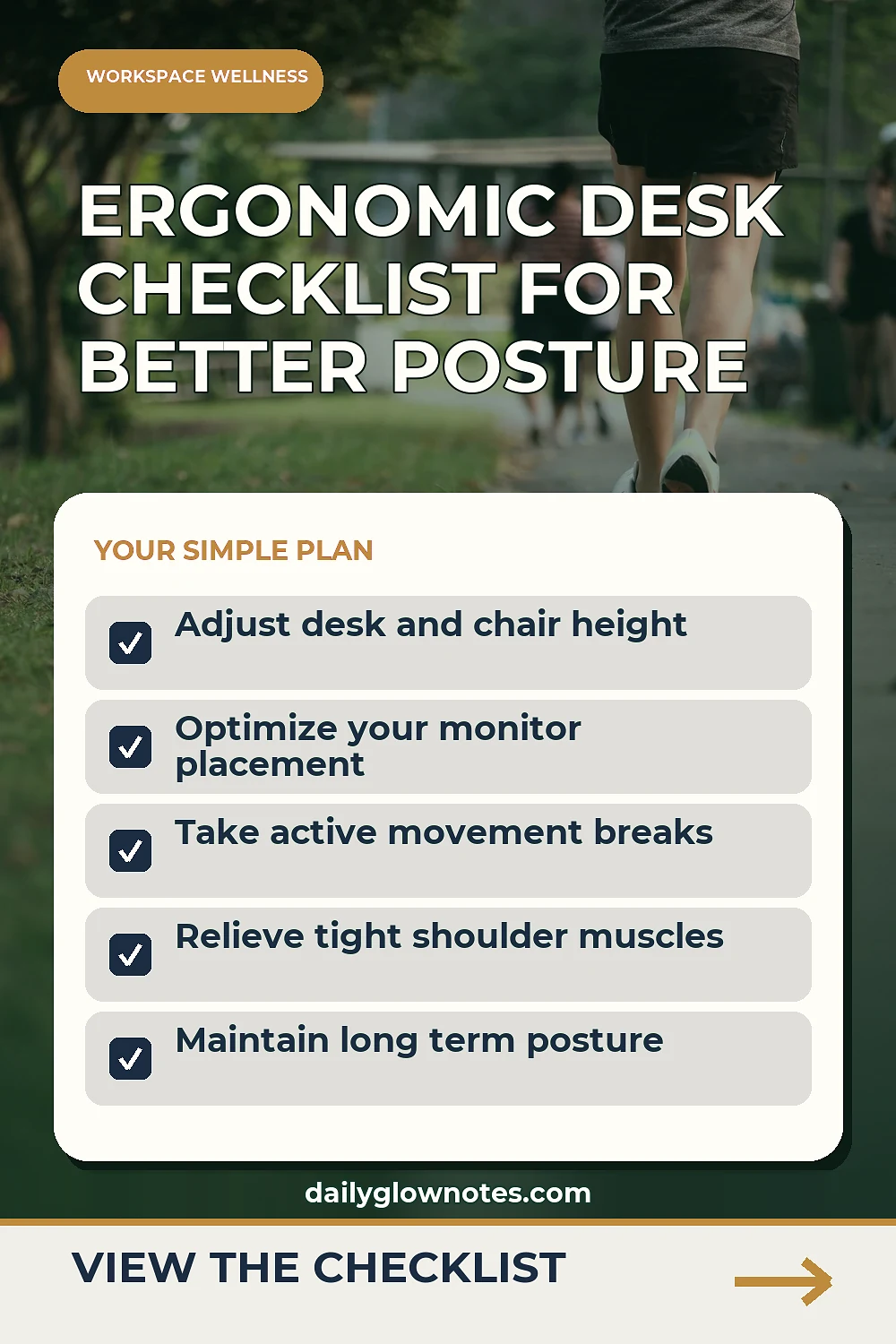
A checklist works best when it is realistic and flexible. Instead of demanding perfection, focus on "anchors"—specific times of the day when you commit to moving. A sample routine might look like this:
- Morning Arrival: Before you even open your laptop, do three minutes of gentle stretching or a quick walk around your living space.
- The Mid-Morning Reset: Set a timer for 90 minutes. When it goes off, stand up and walk to a different room to refill your water bottle.
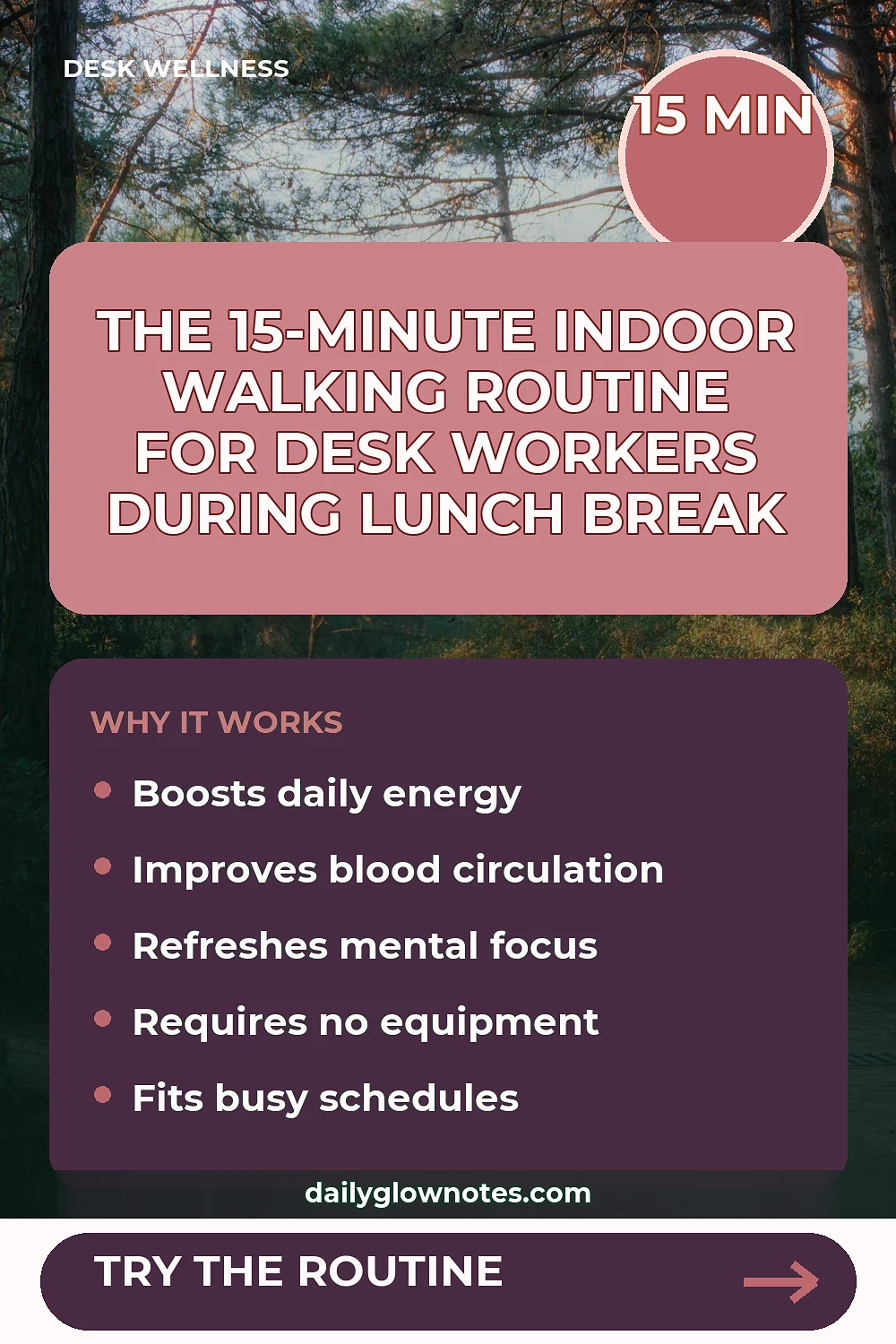
- Lunchtime Activity: Prioritize 15 minutes of dedicated movement, perhaps a brisk walk outside, rather than eating at your desk.
- The 3:00 PM Slump Buster: Instead of reaching for a third cup of coffee, engage in five minutes of standing stretches or desk-based movement to wake up your muscles.
By keeping this list visible, you turn movement into a non-negotiable part of your professional life. Remember that even on days when your workload is heavy, these small actions are enough to prevent the negative effects of prolonged sitting. If you are incorporating supplements like Fast Burn Extreme into your routine to support your active lifestyle, remember that these products are designed to complement, not replace, the fundamental habits of daily movement and balanced nutrition. Consistency in your movement is the engine; supplements are simply the supportive tools that fit into your overall wellness picture.