
Sitting for prolonged hours at a desk can leave your muscles feeling stiff and your energy levels dipping right when you need focus the most. Incorporating micro movements during a sedentary workday is a practical way to break up long blocks of sitting without overhauling your entire schedule. By anchoring short movement breaks to natural daily triggers—like finishing an email batch or closing a video call—you can keep your body gently engaged and build sustainable habits that protect your physical comfort over the long term.
Anchor Your Movement to Existing Work Triggers
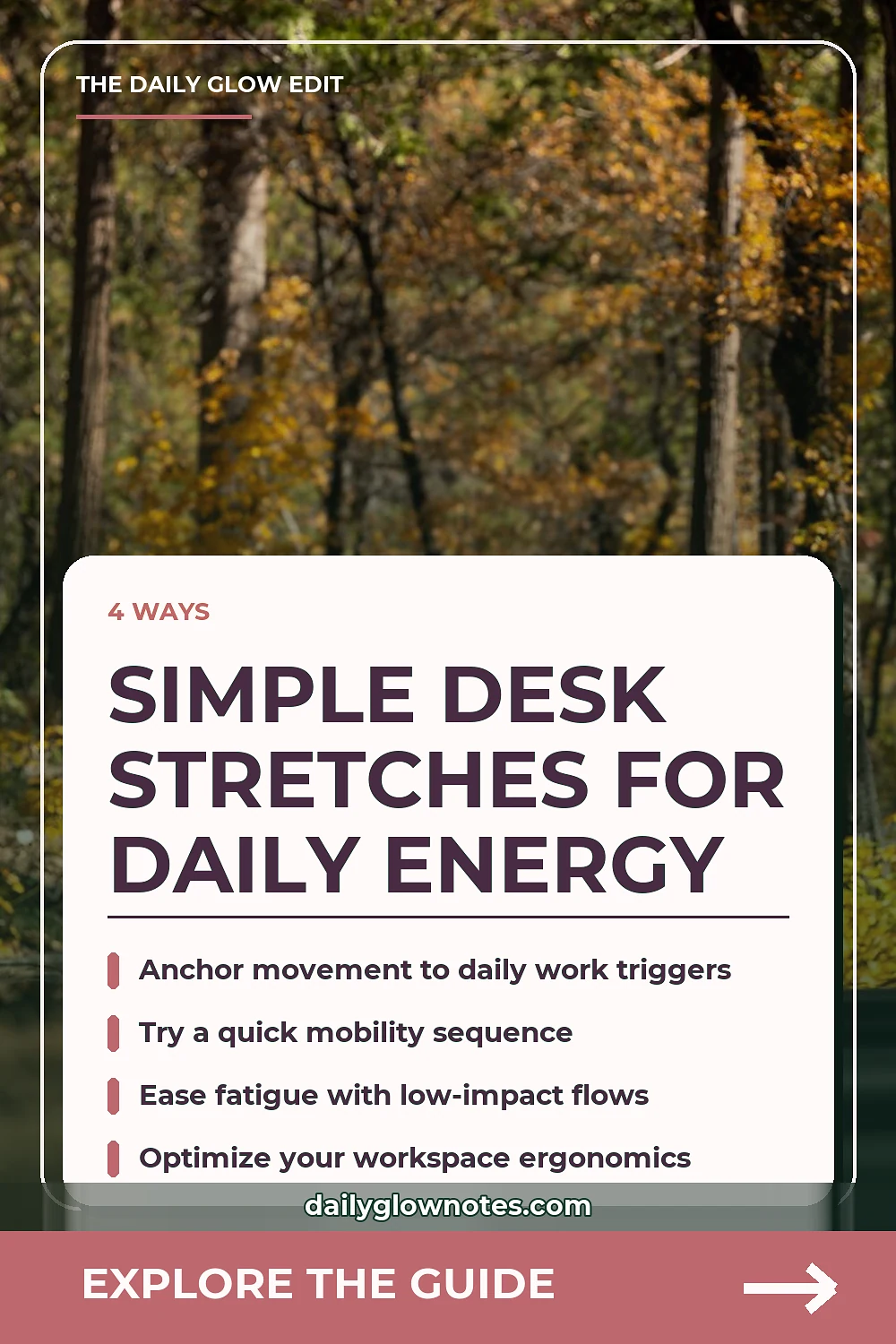
Building consistency into a busy workday works best when you do not have to rely on willpower alone. Instead of setting arbitrary alarms that you might be tempted to snooze, tie your movement breaks directly to tasks you already complete daily. For example, every time you finish responding to your morning emails, take sixty seconds to stand up, roll your shoulders, and stretch your arms overhead. When you transition between different projects, use that exact window as your cue to step away from the screen, grab a glass of water, and reset your posture. These tiny pauses prevent physical stagnation and clear mental fatigue, helping you approach your next task with renewed clarity.
Moreover, integrating these cues into your workflow reduces the friction of starting. When movement becomes an automatic response to a routine workplace event, it stops feeling like an added chore. You are simply weaving physical self-care into the natural rhythm of your job, making it much easier to sustain week after week.
The Five-Minute Mobility Sequence for Desk Workers
When you only have a few minutes between tasks, efficiency matters. A balanced routine does not need to be complicated to be effective. Start with gentle spinal rotations while seated or standing, moving slowly to release tension in the lower back. Follow this with a few slow hip hinges or gentle standing lunges to wake up the lower body after hours of sitting. Finish with deep, diaphragmatic breathing while standing tall by your desk, letting your shoulders drop away from your ears. These small adjustments help counteract the physical posture of slouching over a keyboard.
To get the most out of this short sequence, focus on the quality of each movement rather than the speed. Pay attention to how your joints feel, breathing deeply into any areas of tightness. This mindful approach not only improves physical mobility but also serves as a grounding mental reset, lowering stress levels before your next meeting.
For those interested in building a more comprehensive daily routine, pairing these movement habits with balanced nutrition can make a noticeable difference in how you feel. Planning ahead with ideas like Simple High Protein Meal Prep Ideas for Balanced Daily Energy helps ensure your body has steady fuel for both your workday tasks and your physical activity goals.
Creating a Low-Impact Flow on Low-Energy Days
Not every day brings high energy, and forcing an intense workout when you feel drained is rarely sustainable. On days when fatigue creeps in, gentle movement is often all your body needs to feel refreshed. Embracing low-impact activity keeps your joints happy and your circulation moving without adding extra stress to your routine. Simple actions like shifting your weight from side to side, doing seated ankle rolls, or taking a slow walk down the hallway can make a substantial difference in combating afternoon sluggishness.
Listening to your body is a crucial component of sustainable wellness. Pushing through exhaustion often leads to burnout, whereas honoring your current energy level allows you to maintain a consistent baseline of activity. If you find yourself needing an even gentler approach during slower afternoons, exploring A Gentle Indoor Walking Routine for Low Energy Days can provide wonderful inspiration for keeping active at your own pace.