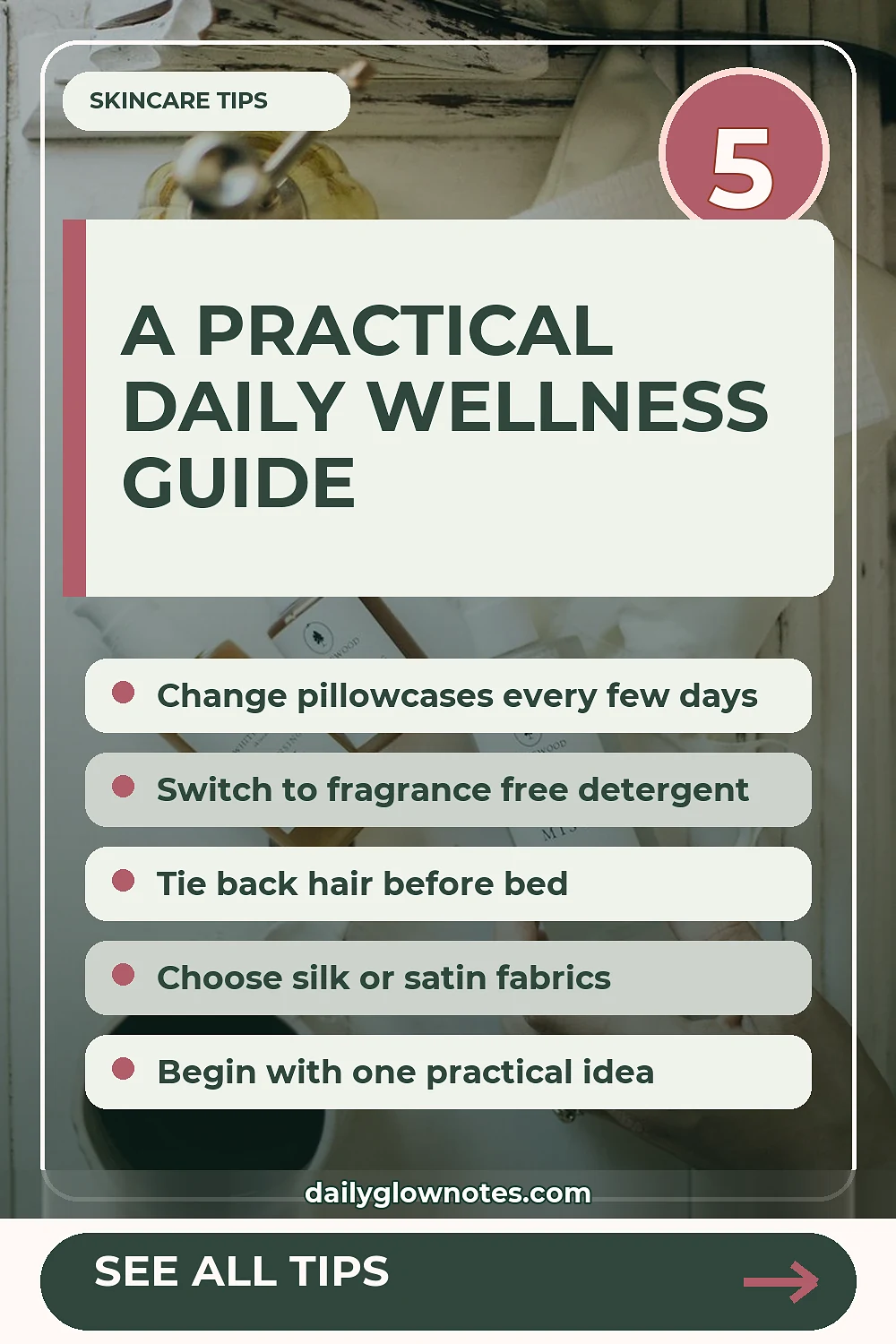


Adult blemish-prone skin often reacts to the smallest environmental factors, and yet one of the most overlooked surfaces in a daily routine is the fabric resting against the face for eight hours every night. Oil, residual nighttime skincare products, hair treatments, and airborne dust accumulate quickly on textile fibers. Adopting a structured bedtime pillow rotation schedule for adult blemish prone skin can noticeably reduce unwanted friction and minimize the nightly transfer of pore-clogging buildup. Establishing this routine is a foundational step in minimizing unexpected morning breakouts and maintaining skin clarity over time.
Many adults invest heavily in serums and cleansers while neglecting the mechanical reality of their sleeping environment. Side sleeping presses the cheek and jawline firmly into the fabric, creating a micro-climate of warmth and trapped sebum. Establishing a predictable linen cadence breaks this continuous cycle of contact, ensuring a cleaner surface meets your skin on a regular basis.
Understanding Nightly Residue Accumulation on Linens
Every evening, natural skin secretions, dead skin cells, and remnants of evening moisturizers transfer directly onto your bedding. By the second or third night, this accumulation oxidizes and mixes with environmental particles settled in the bedroom. For individuals managing persistent lower-face breakouts, pressing the skin against this oxidized layer night after night can contribute to clogged pores and localized irritation.
Cotton and blended fabrics hold onto these microscopic deposits tightly. Even if hair appears clean, natural scalp oils migrate onto the edges of the bedding during sleep. Managing this transfer requires more than a weekly wash; it demands a proactive frequency that anticipates how quickly a surface becomes compromised through normal nightly use.
Designing Your 4-Day Linen Cadence
A four-day cycle strikes a practical balance between rigorous hygiene and laundry feasibility. Day one features a freshly laundered surface, crisp and neutral. By night two, the fabric has absorbed initial oils, remaining largely balanced. Night three introduces moderate buildup, making it an ideal time to flip the pillow to its reverse side to access a cleaner section of fabric.
By night four, both sides have reached their functional limit for blemish-prone skin, signaling that it is time to swap the case entirely. This system eliminates guesswork and ensures that your face rarely encounters fabric that has hosted more than two nights of accumulated residue. Having four dedicated pillowcases in rotation makes maintaining this schedule effortless without requiring constant mid-week laundry loads.
Selecting the Right Fabrics for Sensitive Skin
The type of textile you choose plays a vital role in how your skin reacts overnight. Smooth, breathable natural fibers such as high-thread-count cotton, bamboo-derived rayon, or mulberry silk tend to cause less physical friction than coarse, heavily textured synthetic blends. Friction can compromise the skin barrier and exacerbate existing redness, making fabric texture just as important as washing frequency.
When laundering your rotation items, pay close attention to the cleaning agents you use. Heavy fragrances, optical brighteners, and chemical fabric softeners can leave a lingering residue on the fibers, which then transfers directly to your face during sleep. Opting for hypoallergenic, fragrance-free detergents ensures that your sleeping environment remains genuinely clean and non-irritating for delicate adult complexions.