

You have perfected your double cleanse, applied your barrier-supporting serums with precision, and drifted off to sleep believing your nighttime skincare is fully optimized. Yet, waking up to unexpected morning blemishes along your cheekbones and jawline can feel frustratingly mysterious. Often, the missing link in managing adult blemish-prone skin isn't found in your bathroom cabinet at all. It rests quietly right beneath your head for eight hours every single night. Your fabric choices, laundering habits, and pillowcase rotation schedules exert a profound physical influence on your skin barrier.
Addressing the environmental friction of nighttime bedding contact requires looking closely at what touches your face while you sleep. When you invest in gentle skincare routines for adult blemish-prone skin, you create a balanced foundation, but external textile contact can quietly disrupt that progress. By adopting a practical textile rotation and washing framework, you can minimize unnecessary irritation and support a calmer, clearer complexion.
Understanding the Nightly Accumulation on Your Bedding
Every night, your skin interacts directly with your pillowcase surface for a third of your day. Over these continuous hours of contact, natural sebum, residual nighttime skincare products, airborne dust, and microscopic dead skin cells transfer steadily onto the fabric. Even if you wash your face religiously before bed, your skin continues to produce oils throughout the night. By the second or third consecutive night of sleeping on the exact same surface, that fabric becomes a densely packed reservoir of oils and environmental debris.
When you press your face against this buildup night after night, it creates a subtle occlusion on the skin surface. For individuals managing adult breakouts, this repeated exposure can contribute to clogged pores and localized irritation along the cheeks and temples. Recognizing that your bedding acts as an active extension of your skincare ecosystem is the first step toward transforming your nightly environment into a truly supportive space.
Choosing the Right Fabrics for Sensitive, Blemish-Prone Skin
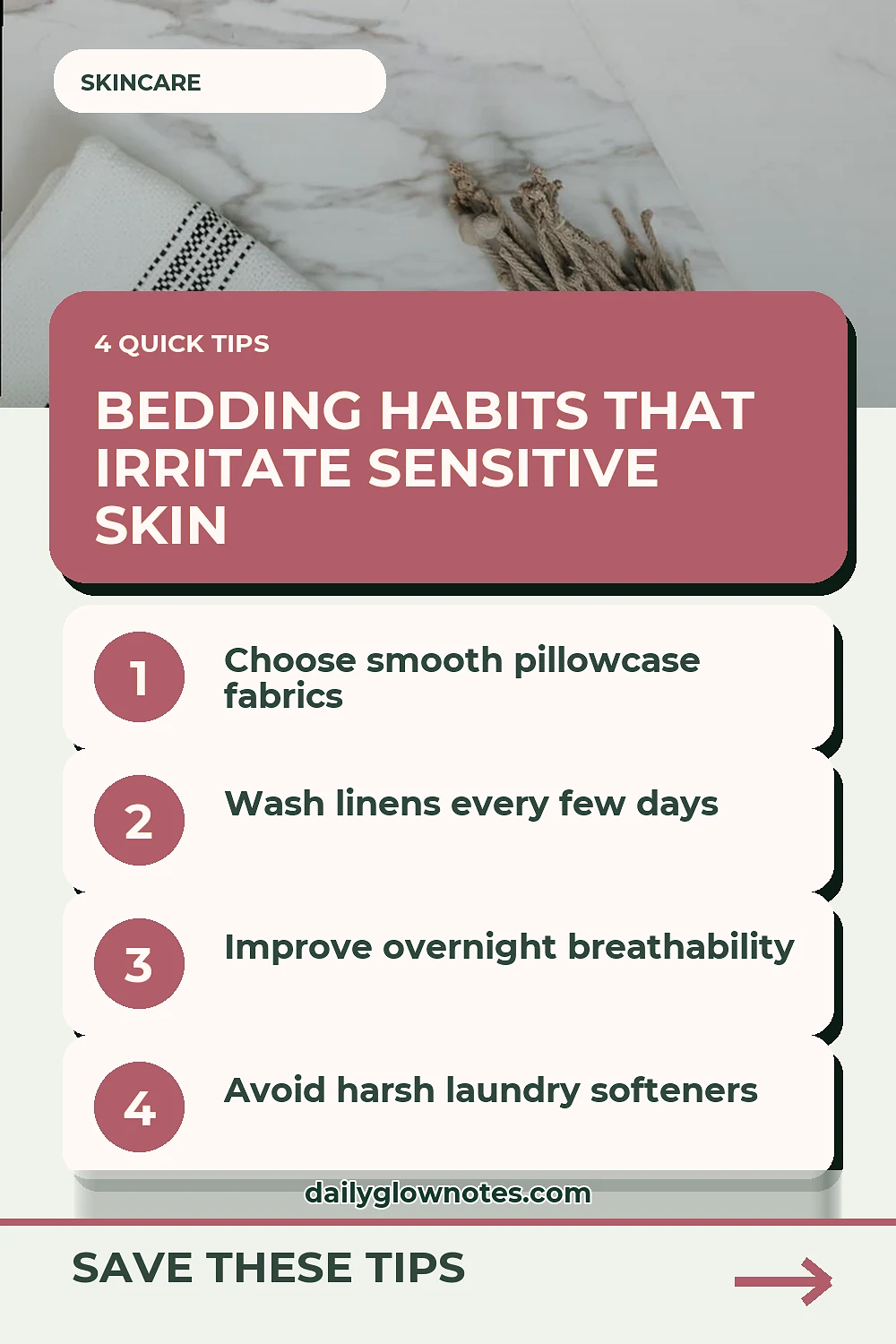
Not all textiles behave the same way against delicate facial skin. Traditional cotton pillowcases, while breathable and classic, can absorb a significant amount of your topical skincare products and natural oils, holding them close to your skin surface throughout the night. Furthermore, textured cotton weaves can create micro-friction as you shift positions during sleep, potentially aggravating a compromised skin barrier.
Many wellness enthusiasts with reactive skin choose to transition toward smoother textile alternatives such as high-grade mulberry silk or tightly woven bamboo-derived fabrics. These materials feature smoother surface structures that allow the skin to glide gently without catching or pulling. Silk and bamboo also tend to absorb fewer topical products than traditional cotton, leaving more of your hydrating layers where they belong—on your face. When exploring comprehensive methods for maintaining calm skin, many find that restoring your skin barrier: a gentle approach to blemish-prone skin offers valuable insights into reducing overall irritation.
Establishing a Smart Pillowcase Rotation Schedule
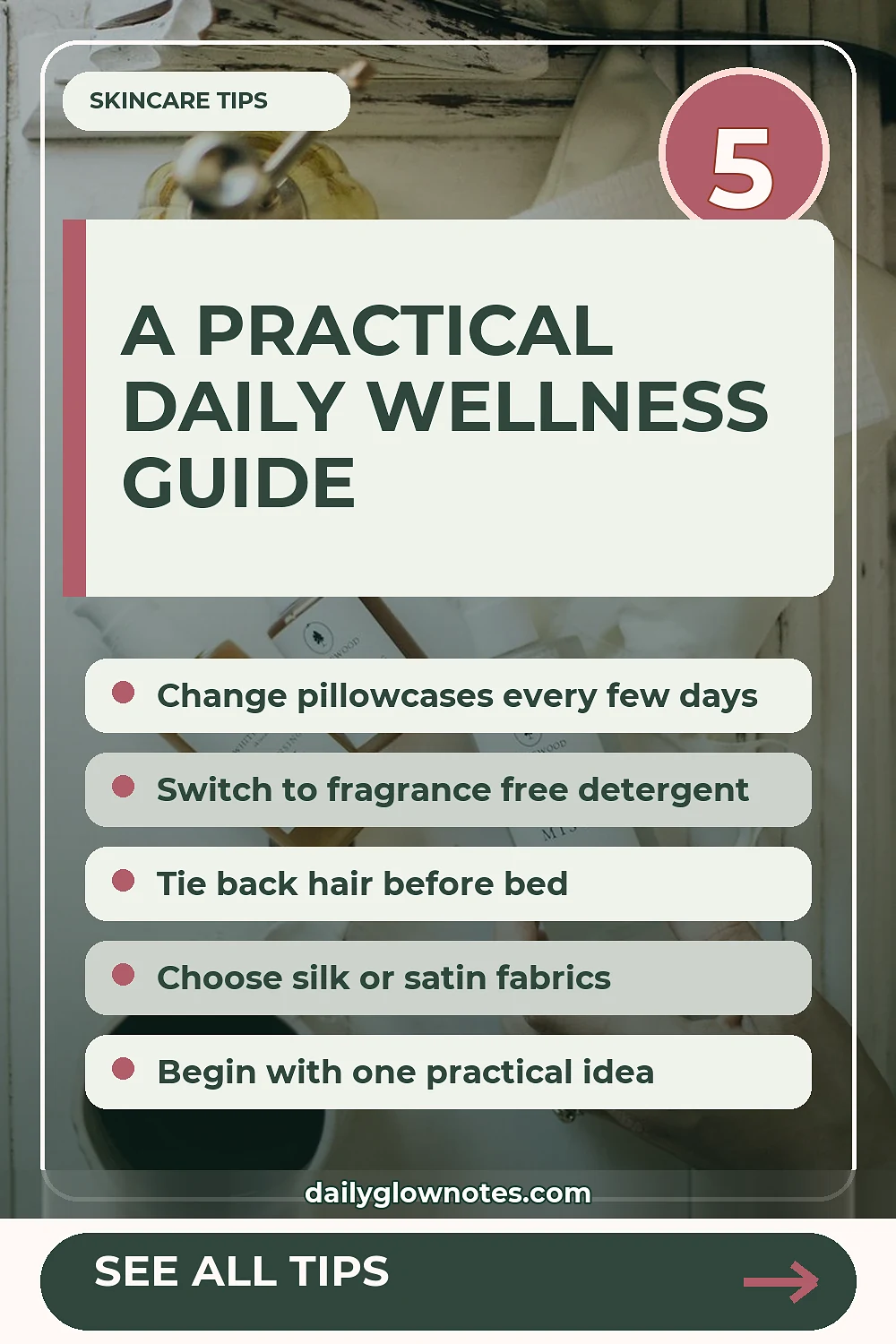
Upgrading your bedding materials is only half of the equation; how frequently you refresh those surfaces matters just as much. Sleeping on a fresh surface every single night might sound like an ambitious laundry chore, but establishing a streamlined rotation makes it effortless. Having a dedicated rotation set of four or five pillowcases allows you to simply flip or swap your pillowcase daily without constantly running the washing machine.
For those managing persistent lower-face or cheek blemishes, aiming for a fresh sleeping surface every one to two days can make a noticeable difference in minimizing external triggers. If you tend to apply heavier overnight masks, rich facial oils, or active treatments, swapping your pillowcase daily is particularly beneficial. This simple habit ensures that you never reintroduce last night's accumulated oils back onto freshly cleansed skin.