
Dealing with seasonal flakiness while simultaneously managing unexpected blemishes can feel like a frustrating paradox. When indoor heating systems blast dry air and outdoor temperatures plummet, the outer layer of your complexion often loses its natural moisture balance. Many people respond by reaching for aggressive spot treatments or harsh scrubs, only to find that their skin becomes tighter, redder, and even more congested. Finding an effective dry winter breakout skincare routine requires a delicate pivot away from stripping active ingredients and toward nurturing, protective hydration.
Understanding why your skin behaves this way during colder months is the first step toward lasting comfort. Low humidity draws moisture out of the epidermis, compromising your lipid barrier. When this barrier weakens, micro-tears and irritation occur, signaling your sebaceous glands to overcompensate by producing excess oil in certain zones. This combination of surface dehydration and trapped sebum creates the ideal environment for stubborn winter breakouts. Protecting your dermal defense system while gently clearing pores is entirely possible when you adjust your daily layering habits. By acknowledging that winter acne is often a symptom of barrier dysfunction rather than excess oil production alone, you can completely transform your approach to seasonal skincare.
Prioritizing Gentle Cleansing Without Tightness
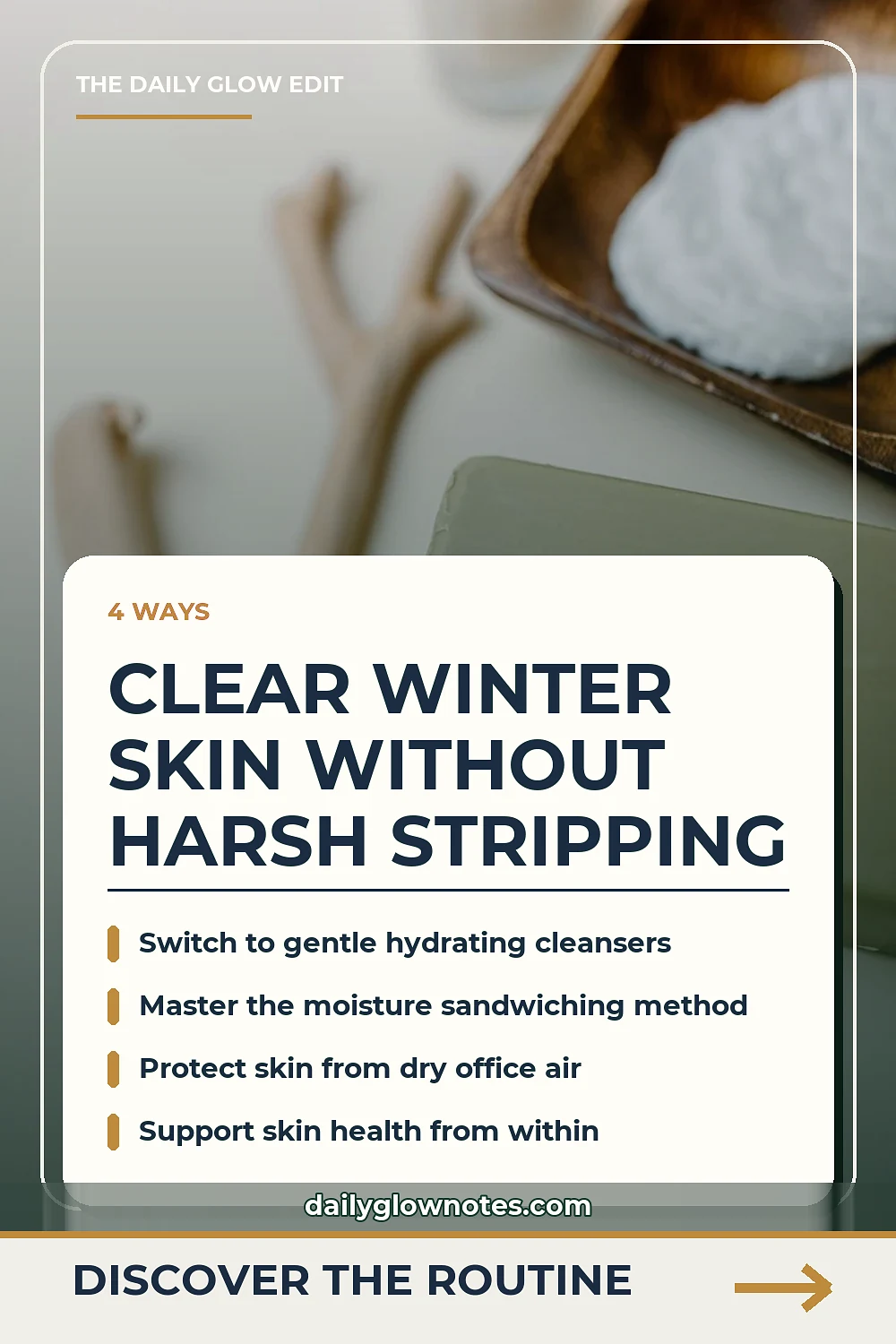
The foundation of any barrier-supportive routine begins at the sink. If your face feels tight, squeaky, or uncomfortable after cleansing, your cleanser is stripping away essential lipids. Switch to a hydrating, non-foaming lotion or cream cleanser that respects your natural pH balance. Massage the product gently onto damp skin using lukewarm water—never hot, as hot water dissolves the protective oils your skin desperately needs during winter. Pat your face dry with a clean, soft microfiber towel instead of rubbing. Taking an extra minute to cleanse mindfully ensures you do not cause unnecessary friction or micro-abrasions on skin that is already compromised by cold winds and indoor heating.
For those interested in a comprehensive approach to seasonal sensitivity, exploring Restoring Your Skin Barrier: A Gentle Approach to Blemish-Prone Skin can offer additional perspective on how to nurture irritated complexions without triggering new congestion. Incorporating amino acid-based cleansers or gentle milk formulas can further support your skin's natural recovery process.
Mastering the Sandwich-Hydration Layer Method
Instead of applying heavy acne medications directly onto dry, vulnerable skin, try a strategic layering technique known as moisture sandwiching. Begin with a hydrating essence or a lightweight toner containing humectants like glycerin or hyaluronic acid on damp skin. Next, apply a thin layer of a ceramide-rich moisturizer. Ceramides act as the mortar between your skin cells, sealing in hydration and shielding against environmental aggressors. If you use a targeted blemish gel, you can layer a very small amount over or under your moisturizer depending on your skin's tolerance, or reserve actives exclusively for non-flaky areas. This method creates a protective buffer that prevents potent ingredients from causing excessive peeling while still allowing them to address unwanted blemishes effectively.