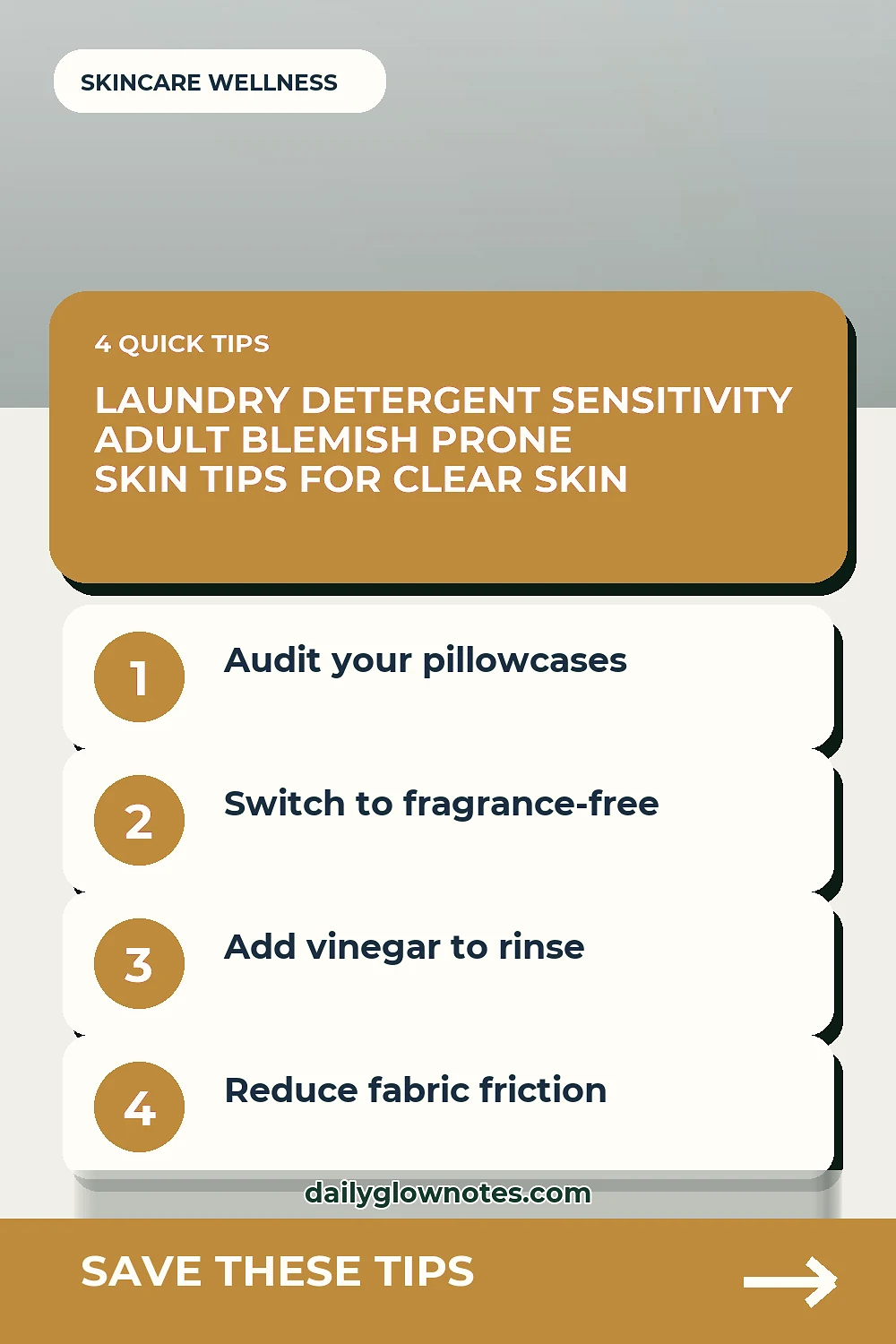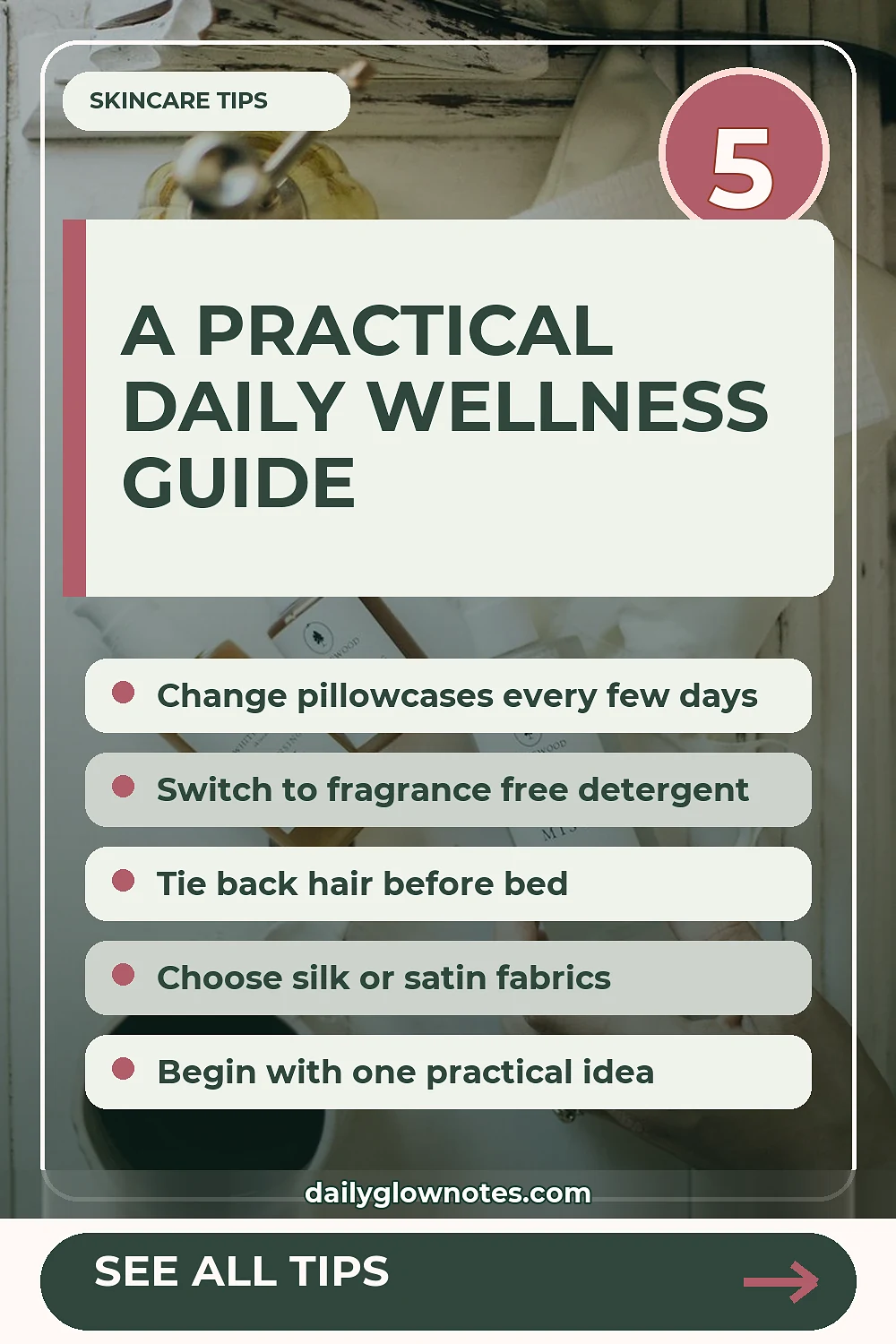

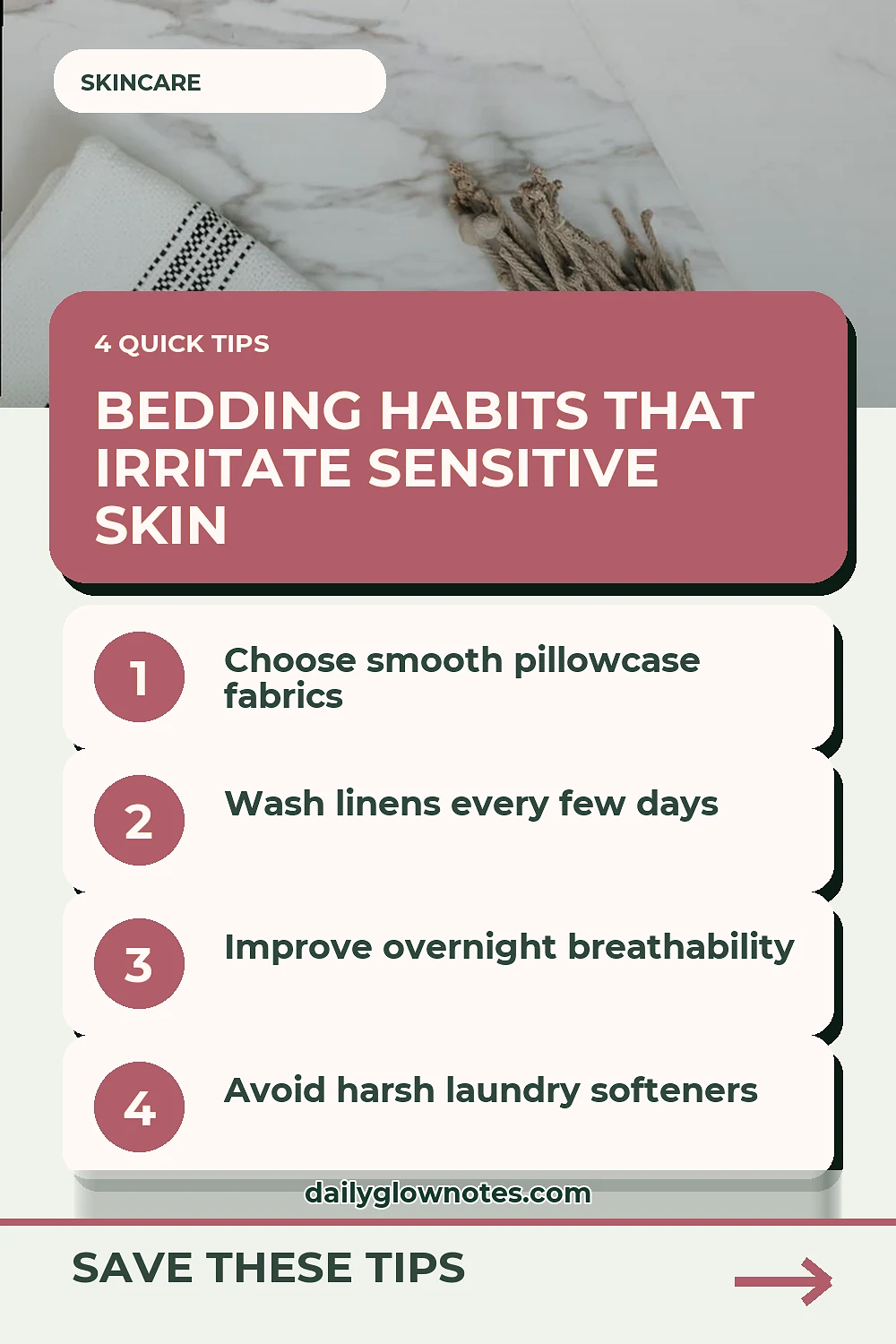
Waking up with an unexpected new blemish can instantly shift the tone of your morning. When you manage sensitive skin, you likely invest time and care into finding the right cleansers, moisturizers, and sunscreens, yet the surface your face rests on for eight hours every night is often overlooked. Fabric choices and washing frequency for sensitive blemish prone facial skin play a much larger role in overnight comfort and skin barrier health than many realize. Friction, trapped moisture, and accumulated oils can subtly disrupt calm skin, turning a restful night into a trigger for irritation.
Creating a skin-friendly sleep sanctuary involves looking closely at what touches your complexion hour after hour. By examining how different textiles interact with delicate skin, you can make informed choices that support a clearer, more comfortable complexion without overcomplicating your routine.
The Direct Impact of Pillowcase Textures on Friction and Irritation
Sensitive skin reacts intensely to physical friction. Rougher woven materials can tug gently at the skin barrier throughout the night as you shift positions, leading to micro-friction that leaves skin feeling tender and looking flushed by morning. For those prone to breakouts, this constant mechanical irritation can compromise skin resilience.
Softer, smoother surfaces minimize this resistance. When a textile glides easily across the face, it reduces the likelihood of surface chafing. This is particularly crucial if you already experience active breakouts or dry, flaky patches that demand a gentle touch. Evaluating how a weave feels against the inner wrist can give you a quick preview of how it will treat your facial contours over an extended period.
Furthermore, understanding the weave density can help you make better selections. Tighter, smoother weaves prevent individual fibers from catching on microscopic flakes of dry skin. Taking the extra time to assess the finish of your bedding ensures that your nightly rest acts as a period of genuine recovery rather than continuous low-grade physical stress.
Breathability and Moisture Regulation for Clearer Nights
Temperature regulation directly influences how your skin behaves overnight. Fabrics that trap heat can cause excess perspiration and sebum production, creating a warm, damp microclimate right where your face rests. This excess moisture, combined with natural skin oils and residual hair products, can easily congest pores.
Choosing breathable natural fibers helps maintain a balanced skin climate. Materials that allow air circulation prevent heat buildup, ensuring your face stays comfortably cool until morning. This balance supports overall skin comfort and reduces the chances of waking up with an unexpected flare-up caused by trapped sweat.
When air circulates freely around your sleeping face, your skin experiences less stagnation. This natural cooling effect helps regulate the skin's lipid barrier, preventing the overproduction of oil that often occurs when skin becomes overheated and dehydrated underneath heavy synthetic coverings.