
You invest time and care into your evening skincare routine, layering hydrating serums and gentle moisturizers before bed. Yet, you wake up with stubborn breakouts along your cheekbones and jawline. Often, the culprit isn't your products, but your sleep environment. Developing a consistent pillowcase hygiene routine for blemish prone skin can make a remarkable difference in managing unexpected morning blemishes. As you sleep, your face presses against fabric for hours at a time, creating micro-friction and trapping heat, sweat, and residual hair products right against delicate pores.
Understanding Overnight Friction and Skin Stress
Beyond simple friction, your pillowcase collects a surprising amount of dust mites, dead skin cells, and leftover nighttime skincare treatments over just a few days. When these elements mingle with natural sebum, they create an ideal environment for pore congestion. Shifting your focus toward environmental hygiene provides a supportive layer to any balanced skincare regimen.
The Ideal Fabric Rotation Schedule
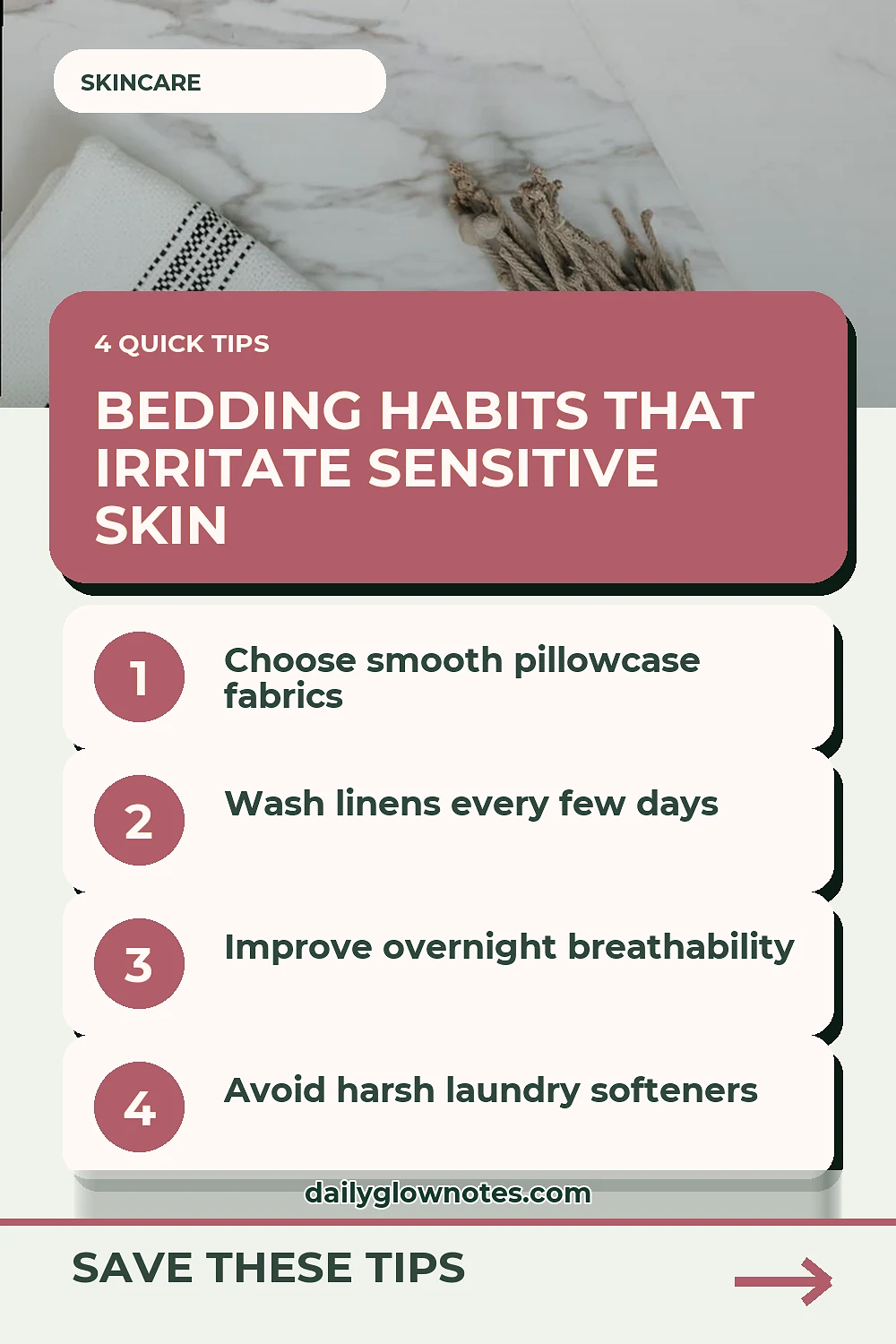
Cotton pillowcases, while breathable, can absorb natural moisture from both your skin and hair while gripping the skin's surface tightly as you move throughout the night. Switching to smooth, tightly woven materials like high-grade silk or satin significantly reduces physical drag. However, changing the fabric type is only half the battle; frequency of rotation matters just as much.
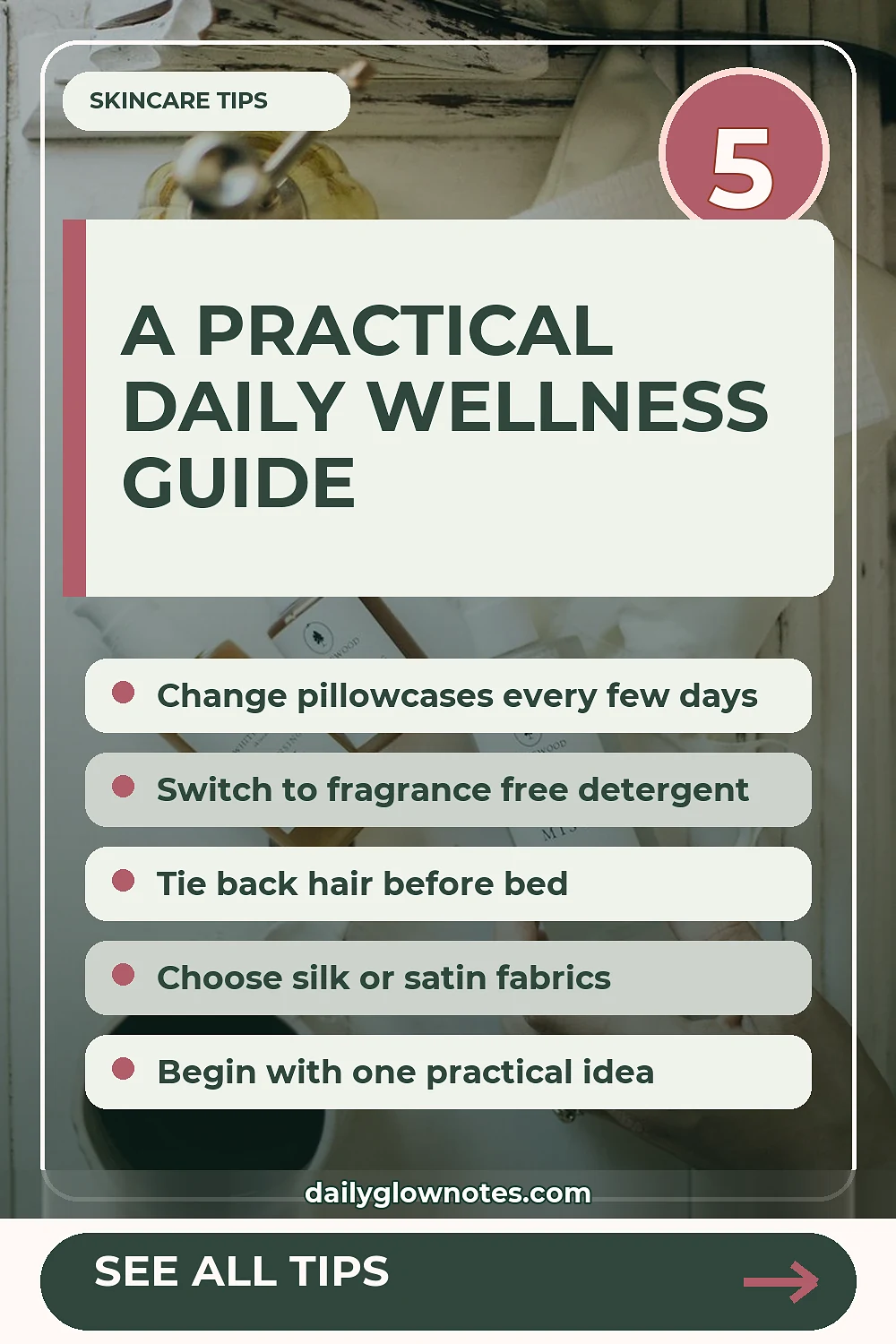
A practical rule for blemish-prone skin is to change your pillowcase every two to three days—or even daily if you tend to sweat heavily at night or struggle with persistent breakouts. Because a standard pillow has two sides, you can easily flip it on the second night, ensuring a fresh surface rests against your skin. Keeping a rotation of four or five clean cases in your linen closet makes this habit seamless to maintain.
Laundry Detergent Choices and Residual Irritants
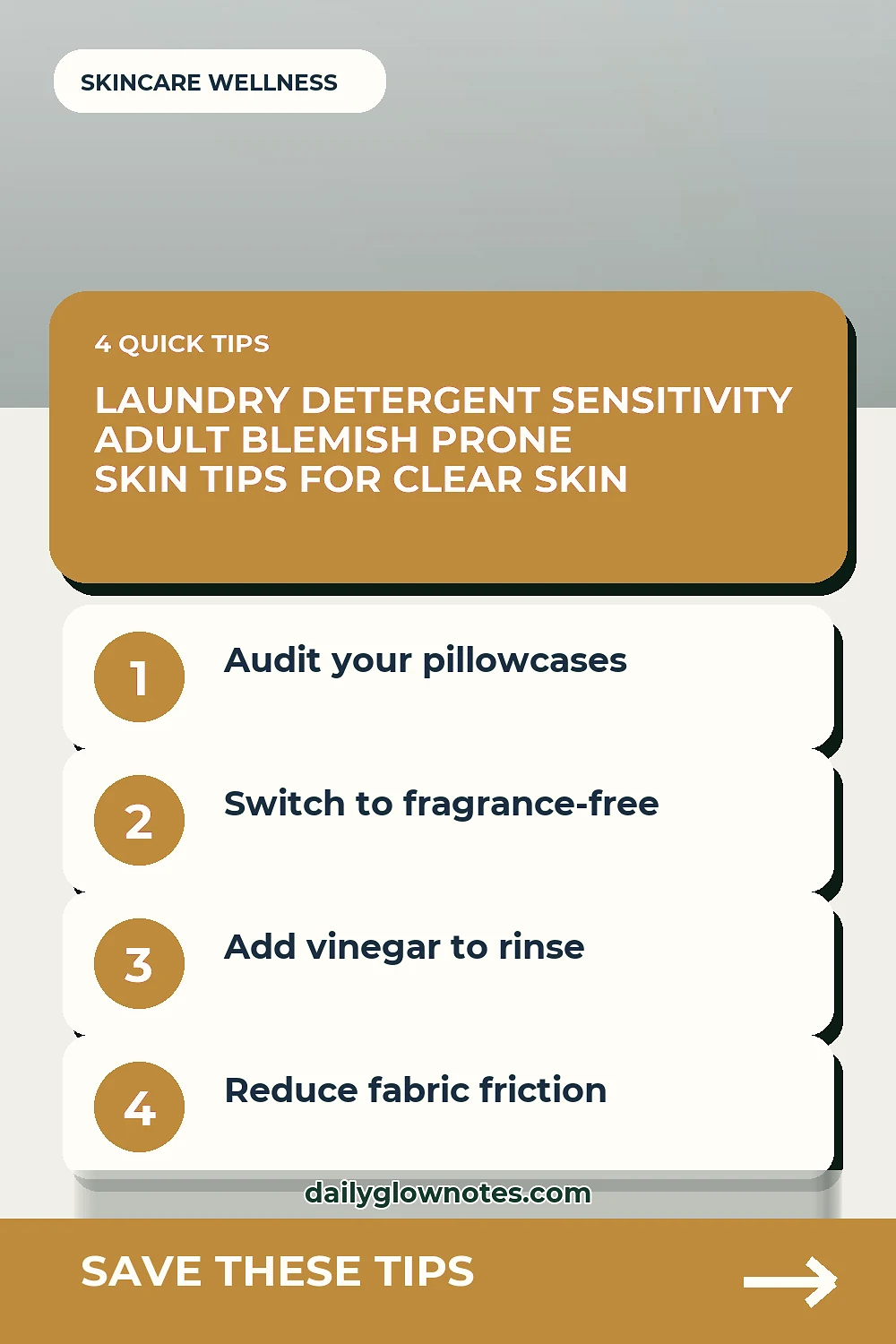
The way you wash your bedding impacts your facial skin just as much as your facial cleanser does. Conventional laundry detergents often contain heavy synthetic fragrances, optical brighteners, and harsh surfactants that leave behind a chemical residue on fabric fibers. When your face rests on these fibers for eight hours straight, that lingering residue can trigger irritation and compromise your natural skin barrier.
When looking to support your skin barrier, opting for a fragrance-free, hypoallergenic liquid detergent is a gentle and effective shift. Avoid using liquid fabric softeners or dryer sheets entirely when washing your bedding. Softeners coat fabric fibers in a waxy film designed to feel plush to the touch, but that same film easily transfers to your skin, trapping debris inside your pores and working against your daily efforts. To explore more about maintaining a resilient complexion, you might find it helpful to read about restoring your skin barrier and adopting a gentle approach to blemish-prone skin.