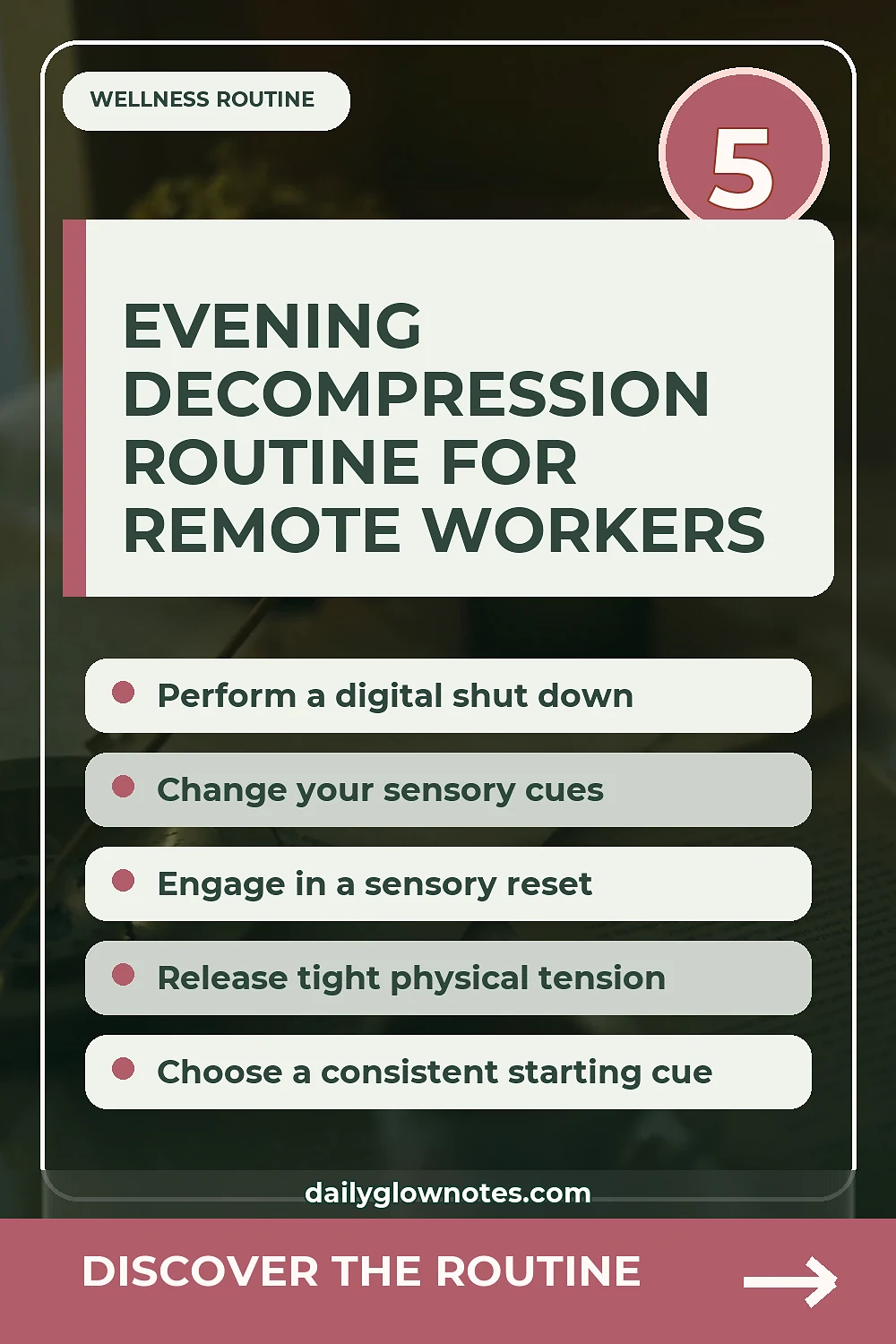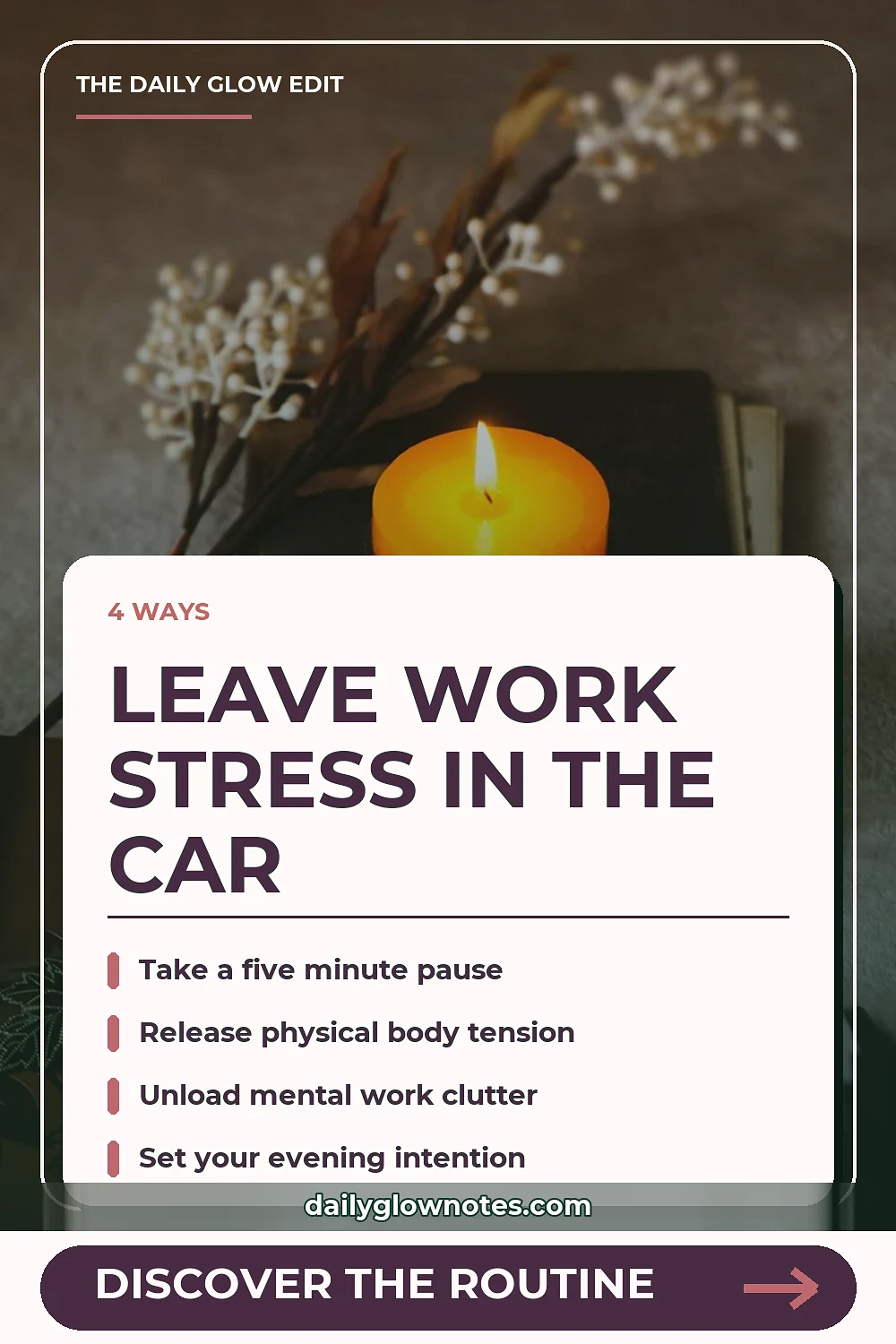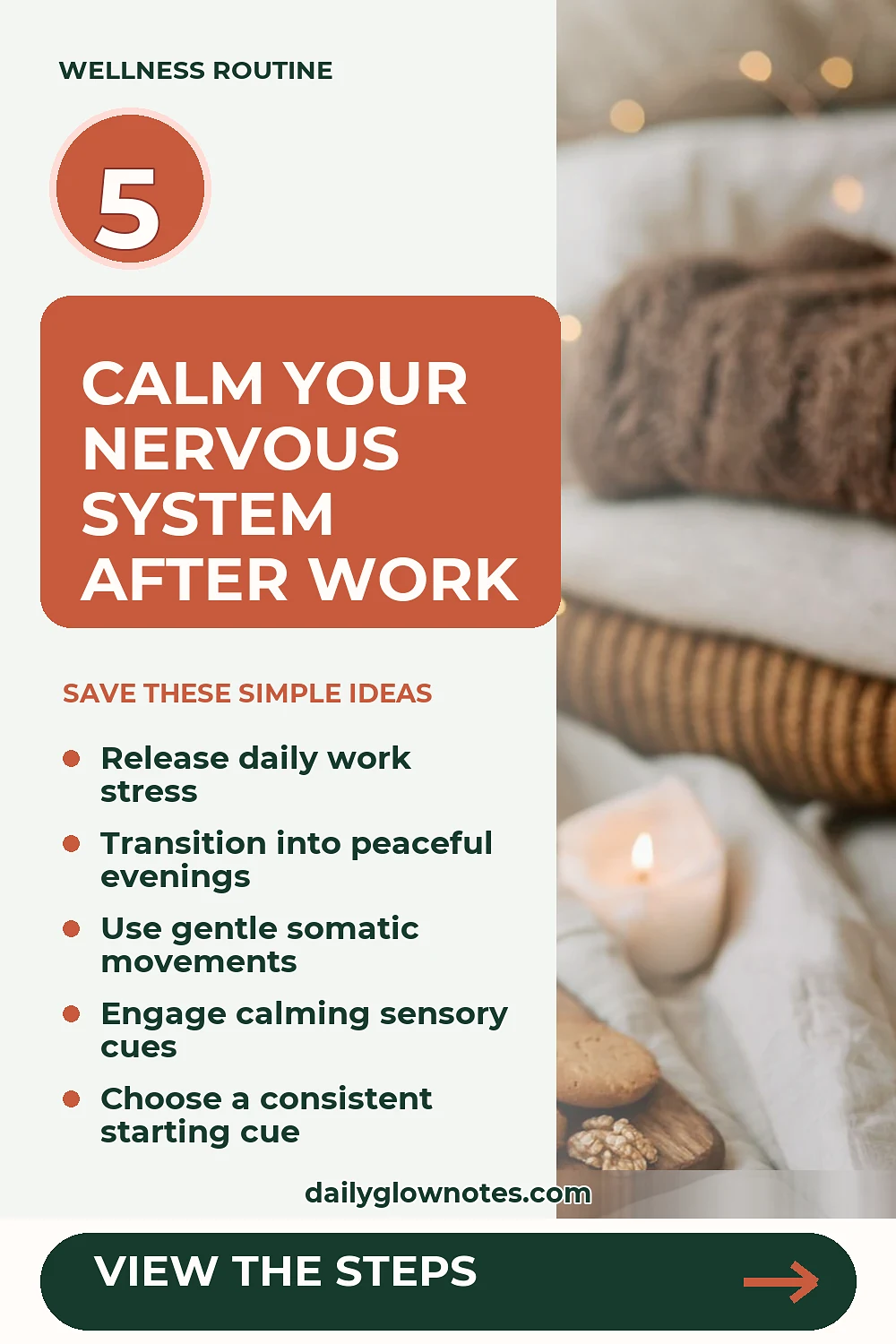

Carrying the mental weight of a demanding workday right through your front door is an all-too-common experience. You might find yourself physically sitting on the sofa, yet your mind is still racing through unread emails, upcoming deadlines, and tomorrow's schedule. This phenomenon, often called burnout bleed-over, robs you of your precious evening hours and leaves your nervous system stuck in a constant loop of alertness. Creating an after work nervous system reset ritual is essential if you want to reclaim your personal time and genuinely unwind.
When your body stays in a state of low-grade tension for hours after your shift ends, relaxation feels nearly impossible. Traditional advice often tells you to just relax, but simply deciding to stop stressing rarely works when your physiology is still in fight-or-flight mode. Instead, you need a tangible boundary between labor and leisure. This transition acts as a bridge, allowing your mind to recognize that the workday is officially finished and it is safe to downshift into rest.
The Sensory Threshold Ritual
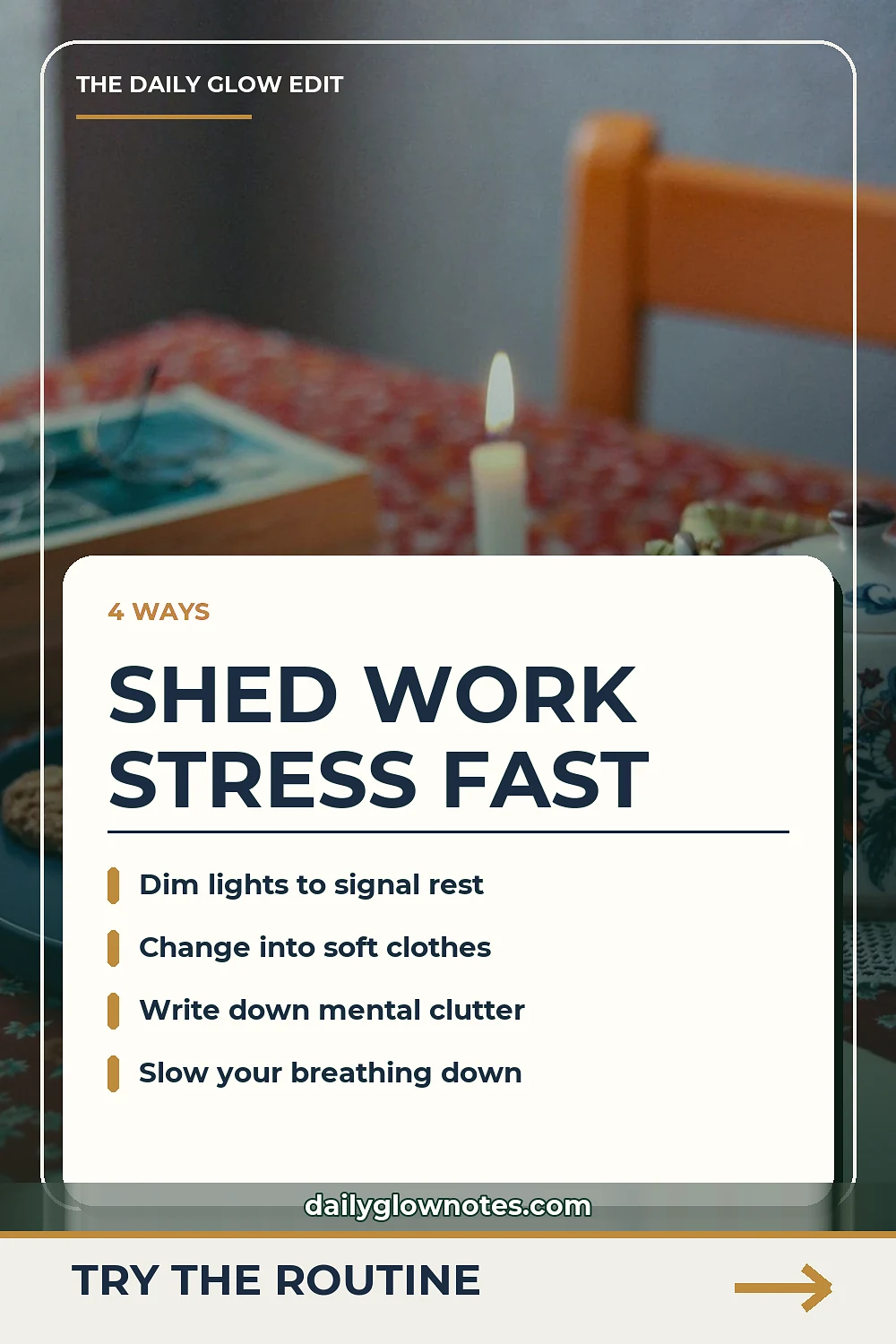
The first step in shedding the day's pressure involves engaging your senses to mark a definitive physical boundary. As soon as you cross your threshold, your environment should instantly communicate that work is behind you. Dimming the overhead lights and relying instead on warm lamps or natural evening sunlight instantly signals your brain that night has arrived. You can also incorporate scent by lighting a gentle candle or diffusing an earthy essential oil like cedarwood or lavender.
Physical sensations are equally powerful. Changing out of your work attire into something soft and unstructured immediately alters how you inhabit your body. For deeper unwinding, you might explore a shopping free relaxation toolkit using household items for busy evenings to curate your sensory environment without needing to spend money on specialized gear. This simple act of shedding your work clothes releases physical constriction and invites your muscles to let go of stored tension.
By intentionally curating your immediate surroundings, you create a protective bubble that separates the demands of the outside world from your personal sanctuary. This might also involve turning off work notifications on your phone, placing the device in another room, or establishing a rule that professional communication ceases entirely once you step inside. These small, deliberate choices accumulate over time, training your nervous system to anticipate peace rather than more productivity as the sun goes down.
Releasing Mental Clutter Through a Brain Dump
One of the main reasons evenings feel overwhelming is the sheer volume of lingering tasks rattling around in your head. Your brain refuses to let go of obligations because it fears forgetting them. To quiet this mental chatter, grab a notebook and spend five minutes doing a rapid brain dump. Write down everything you are carrying: unfinished projects, personal errands, and random worries.
By putting these thoughts onto paper, you externalize your responsibilities. Your brain finally trusts that the information is safe and accounted for, which instantly reduces cognitive load. If your workday extended into high-stress environments, such as dealing with demanding customers or chaotic environments, you might also benefit from adapting a grounding break routine for retail workers dealing with loud holiday crowds to help center your thoughts before stepping into your home space.
When you physically write out your concerns, you also gain a clearer perspective on what actually requires your attention tonight versus what can safely wait until tomorrow morning. This practice prevents nighttime rumination, which is a major contributor to insomnia and chronic fatigue. Keeping a dedicated notebook exclusively for your evening transitions ensures that your thoughts have a reliable home outside of your head.