
Achieving a smooth, silky consistency in homemade desserts and savory dishes can sometimes feel like a culinary puzzle. If you have ever ended up with a stiff, rubbery dessert instead of a delicate, melt-in-your-mouth treat, you are not alone. Learning how to use gelatin without rubbery texture issues transforms your kitchen results from frustrating to foolproof. Getting the texture just right comes down to understanding a few fundamental principles about liquid ratios, temperature control, and proper blooming techniques, as well as knowing how different ingredients interact with these delicate proteins during preparation. Taking the time to master these foundational steps ensures that every single culinary creation achieves that ideal, velvety mouthfeel you are aiming for.
Understanding the Blooming Process in Detail
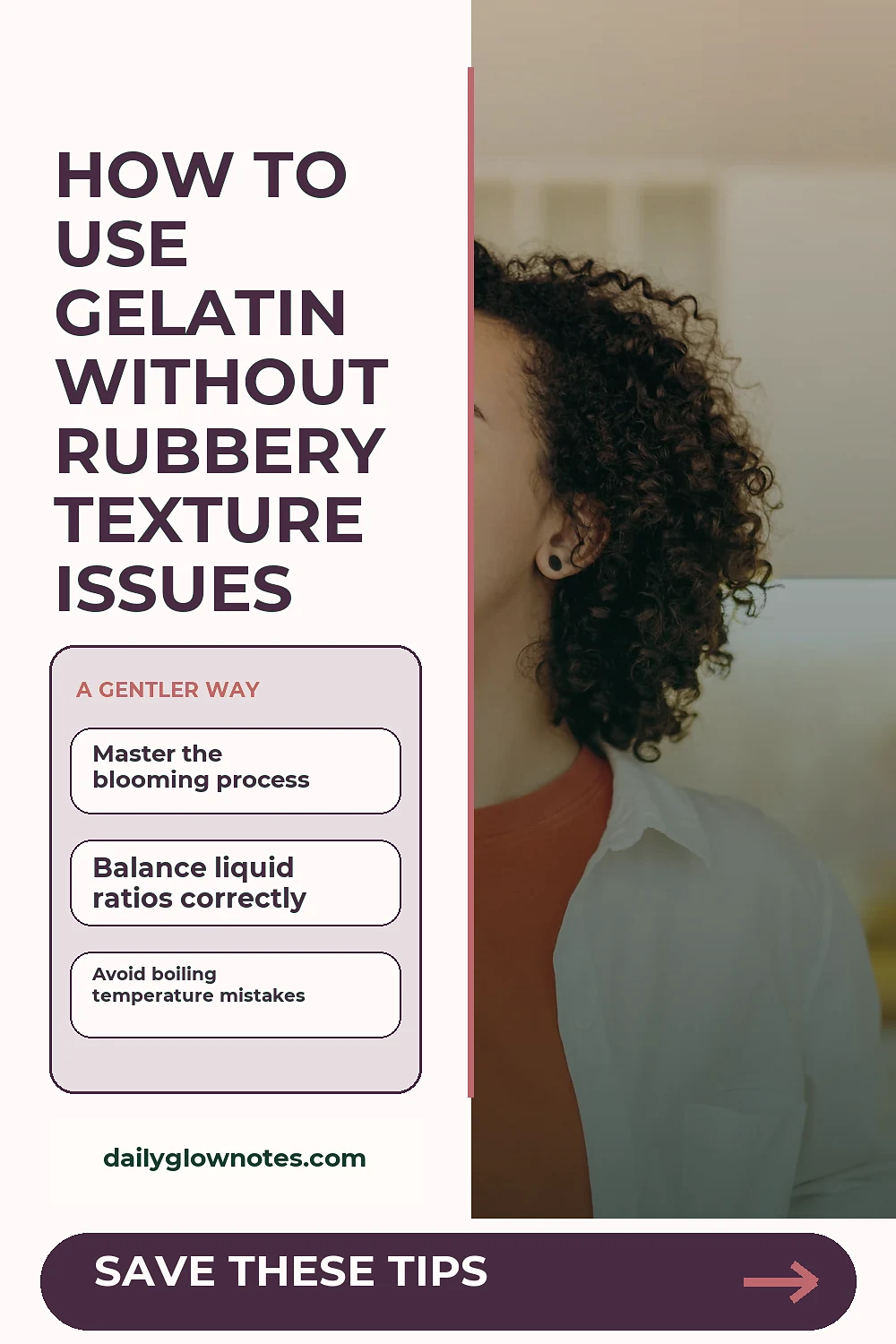
The secret to working with this versatile ingredient starts long before it ever hits the heat. Blooming is the essential first step where dry granules absorb cold liquid, softening evenly so they can dissolve smoothly later. Ripping through this step often leads to undissolved lumps, gritty mouthfeels, or an uneven final set that ruins the dish. Always sprinkle your gelatin evenly over cold water, juice, or broth and let it sit undisturbed for five to ten minutes without stirring prematurely. You will notice the mixture swells and absorbs the liquid completely, taking on a spongy appearance that signals it is ready for the next stage. Taking your time here ensures that every single granule is fully hydrated before heat is introduced. Without this vital hydration phase, the dry interior of the granules can remain hard, leading to textural flaws in your final recipe.
Mastering Liquid Ratios and Proportions
A common culprit behind dense, bouncy textures is simply using too much gelling agent for the amount of liquid in your recipe. Precision matters significantly in baking and gelatin work because minor mismeasurements drastically alter the final bite. As a general guideline, a standard packet of powdered gelatin typically sets about two cups of liquid to a soft, spoonable consistency. If you prefer a firmer mold for slicing, you might adjust slightly, but exceeding these proportions quickly crosses the line from silky to rubbery. Measuring your ingredients carefully with a digital kitchen scale when possible ensures consistent, pleasant mouthfeel every time you cook. Understanding how different forms, such as sheet versus powdered varieties, substitute for one another is also crucial for maintaining the intended structure of your dish.
The Danger of Boiling Temperatures and Heat Management
Temperature management plays a starring role in your culinary success. Many cooks make the mistake of boiling their gelatin mixtures vigorously, which breaks down the delicate protein structures and ruins the gelling capacity altogether. Once your bloomed mixture is ready, it should only be gently warmed over low heat or stirred directly into a hot liquid until completely dissolved. It never needs to reach a rolling boil. Maintaining gentle warmth preserves the intricate protein network needed for a smooth, tender set. If your recipe requires boiling other components, always add your bloomed protein at the very end of the cooking process after removing the pan from the active heat source. Patience during the cooling and setting phases in the refrigerator is equally important for developing the correct structure.