

How to Reset Your Bedroom for Better Sleep Through Night Sweats becomes easier to understand when the main ideas are organized into practical, realistic steps. This guide explains the core considerations and shows how to apply them thoughtfully in everyday life.
Waking up in the middle of the night drenched in sweat can quickly turn your bedroom from a sanctuary of rest into a source of daily frustration. For women navigating perimenopause and menopause, night sweats are a common and disruptive reality that can make deep, restorative sleep feel entirely out of reach. When internal body temperature fluctuates unexpectedly, standard bedding and stagnant room air can trap heat and amplify discomfort. Fortunately, making a few intentional adjustments to your sleeping environment can significantly alter your nightly experience. By implementing thoughtful menopause bedroom cooling adjustments for summer nights, you can create a micro-climate designed to support natural temperature regulation and help you wake up feeling more refreshed.
Evaluating Your Current Bedding Materials
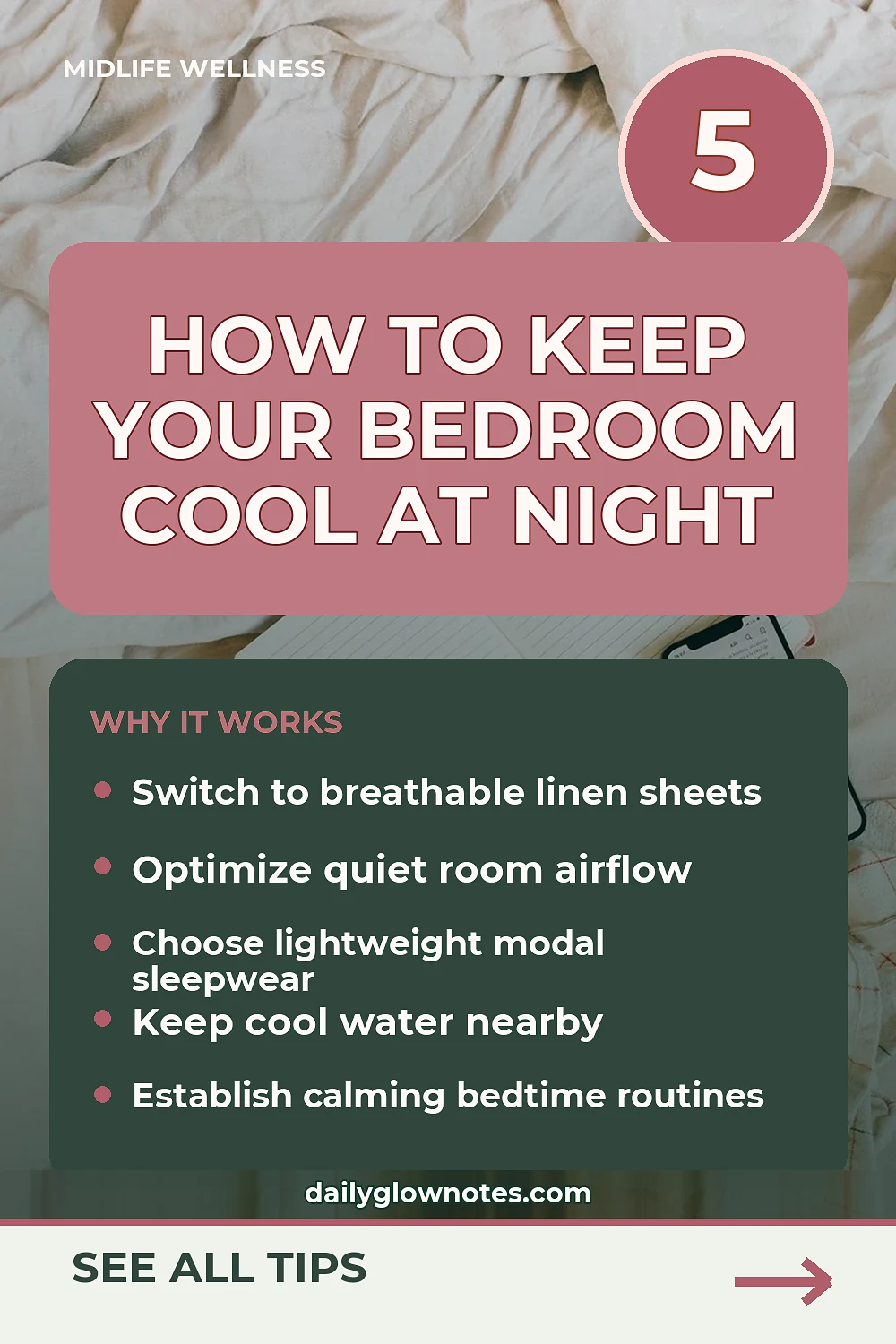
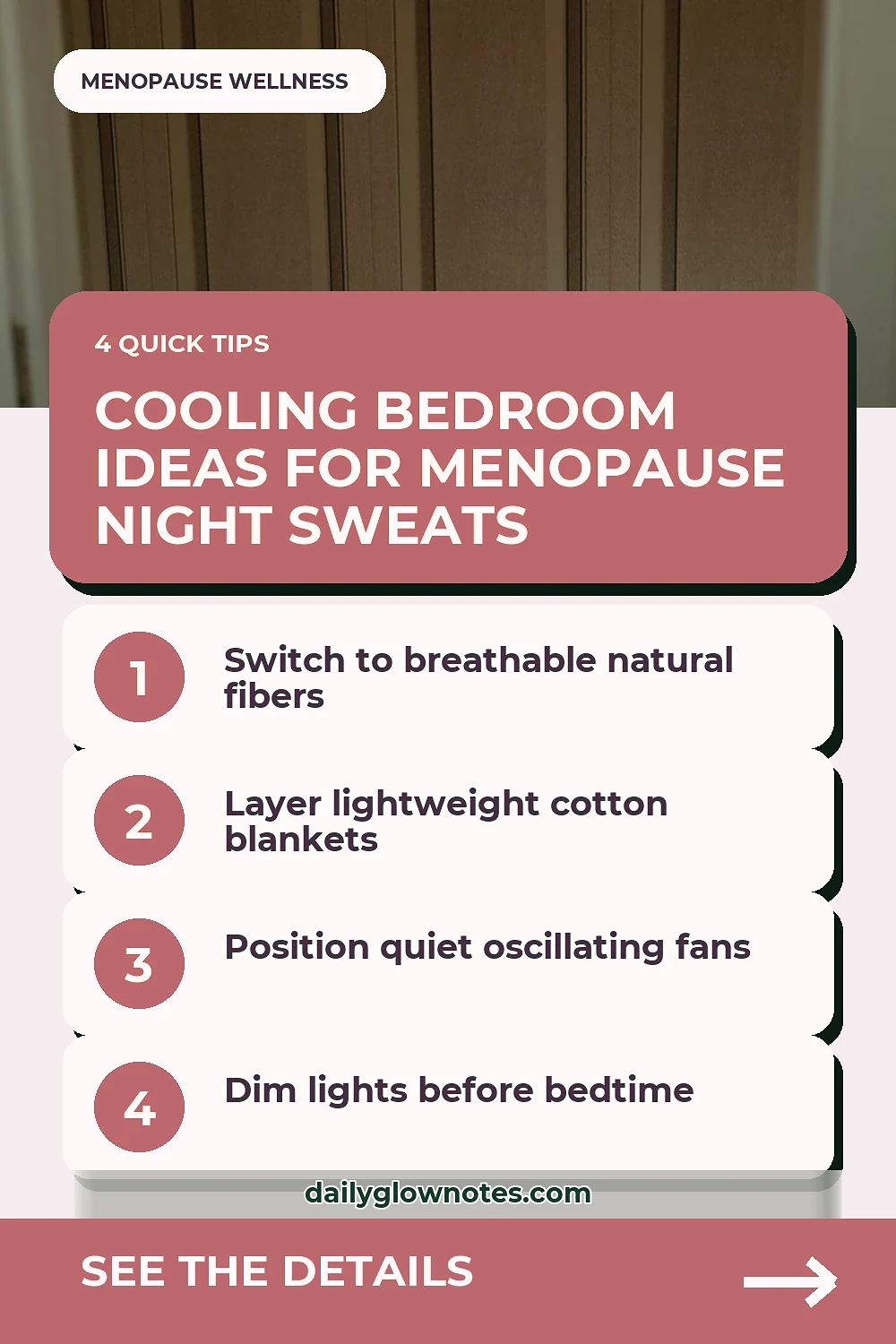
The materials touching your skin play a massive role in how well your body manages heat throughout the night. Traditional synthetic fabrics like polyester, nylon, and even standard cotton blends often trap moisture and restrict airflow, creating a miniature greenhouse effect around your body. Transitioning to breathable, natural fibers can change your sleeping experience entirely. Pure linen, lightweight bamboo, and high-quality percale cotton are exceptional choices because they allow air to circulate freely and wick moisture away from the skin. When setting up your bed, consider layering with lighter blankets rather than using a single heavy comforter. This modular approach allows you to easily kick off or add layers as your body temperature shifts during the night, minimizing the need to fully wake up and disrupt your rest.
Optimizing Airflow and Room Layout
Beyond what is on your bed, the physical layout and ventilation of your entire room dictate how cool you stay. Stagnant air allows body heat to pool around the mattress, intensifying the feeling of being overheated. Positioning your bed away from direct heat sources and closer to a window can dramatically improve natural cross-ventilation. If architectural limitations restrict your window options, placing a quiet oscillating fan strategically to circulate air across the floor—rather than directly blowing on your face—can keep the air moving smoothly without drying out your sinuses. Additionally, keeping interior doors slightly ajar and minimizing heavy, thick window treatments can prevent warm air from getting trapped inside the room during the late afternoon hours.