
Morning sunlight streams through the kitchen window, catching the steam rising from your favorite ceramic mug. You take a slow sip, feeling the gentle warmth settle in. Moments like this offer a quiet anchor before the demands of the day pull you in multiple directions. Yet, as the afternoon slump rolls around, that early morning calm often fades into persistent fatigue. Many women find themselves wondering why their natural energy levels fluctuate so drastically, frequently pointing the finger at a sluggish metabolism. Instead of searching for drastic overhauls or extreme measures, the key to sustainable vitality often lies in the small, consistent rhythms you weave into your ordinary routine.
Supporting your body's internal engine does not require punishing workouts or restrictive meal plans. In fact, aggressive approaches often backfire, leaving you depleted rather than energized. True metabolic wellness is about creating a supportive environment for your body to thrive. By focusing on foundational habits—ranging from how you hydrate to the way you move your body throughout the day—you can cultivate steady, reliable energy that carries you from morning until night.
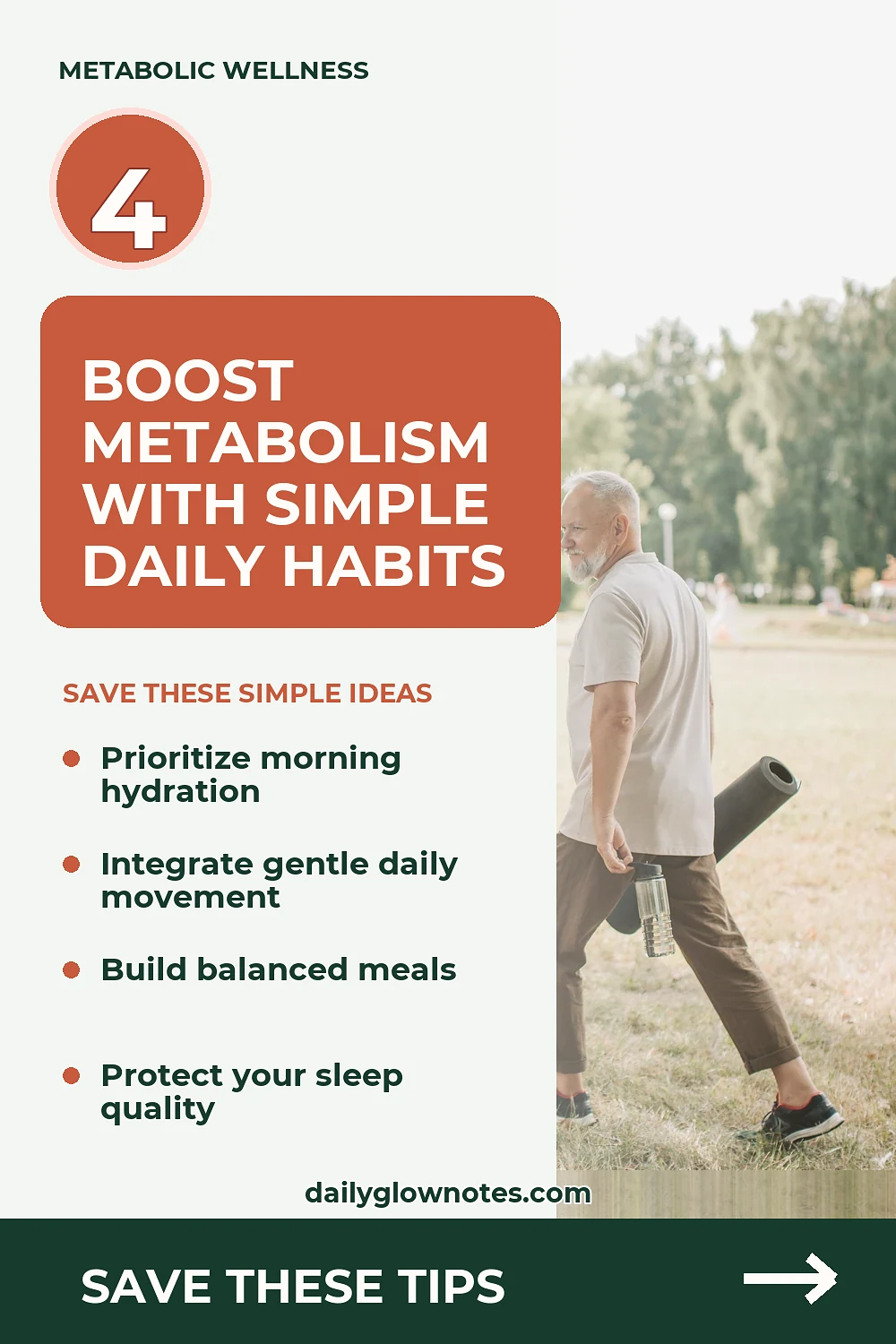
Prioritize Morning Hydration to Wake Up Your System
After a full night of rest, your body naturally wakes up in a mild state of dehydration. Reaching for a glass of water before your morning coffee or tea is one of the simplest yet most effective ways to signal to your digestive and metabolic systems that the day has begun. Water plays a fundamental role in nearly every cellular process, including how efficiently your body converts food into usable energy. When you are even slightly dehydrated, everything slows down, which can manifest as brain fog and sluggishness.
Try keeping a full glass of water on your nightstand so it is the very first thing you encounter in the morning. If plain water feels uninspiring, a squeeze of fresh lemon or a slice of cucumber can make the ritual more inviting. This small habit sets a positive tone for the rest of your daily intake, making it easier to reach your hydration goals without having to think about it constantly.
Integrate Gentle, Low-Impact Movement Throughout the Day
Structured workouts are fantastic, but what you do during the other twenty-three hours of the day matters just as much for your metabolic health. Prolonged sitting can cause your body's energy-processing enzymes to slow down significantly. Breaking up long stretches of stillness with gentle, low-impact movement keeps your circulation humming and encourages steady energy expenditure.
You do not need an intense gym session to reap these benefits. Simple lifestyle adjustments, such as pacing while on a phone call, doing a quick mobility routine between work tasks, or heading out for a brisk neighborhood stroll, make a noticeable difference. If you are looking to build a more structured outdoor routine without feeling overwhelmed, learning how to plan your first outdoor cardio week for sustainable success can provide a gentle framework to ease into regular movement. Consistency always outweighs intensity over the long term.
Build Meals Around Balanced Nutrition and Steady Fuel
The foods you choose act as the literal building blocks for your daily energy. Diets built on extreme restriction often trigger a survival response in the body, leading to conserved energy, increased fatigue, and intense cravings. A more sustainable approach centers on balancing your plate with adequate protein, fiber, and healthy fats. This combination helps slow digestion, preventing sharp spikes and crashes in your blood sugar.
Protein, in particular, requires more energy for your body to digest and process compared to fats or carbohydrates, a concept known as the thermic effect of food. Incorporating quality protein sources into your meals—such as eggs, Greek yogurt, legumes, fish, or poultry—supports muscle maintenance, which is inherently tied to a healthy, active metabolism. Pairing these proteins with colorful vegetables and whole grains ensures your cells receive a steady, reliable stream of nutrients.