
When dealing with adult breakouts, the temptation to scrub, peel, and treat every minor blemish into submission is entirely understandable. Yet, aggressive skincare often backfires. Adopting a proper skin barrier repair routine for adult blemishes starts with recognizing when active ingredients have crossed the line from helpful to harmful. Instead of smooth, clear skin, an over-exfoliated face often feels tight, stings when applying even the gentlest moisturizer, and exhibits a strange, shiny tautness that resembles plasticwrap. You might notice that your usual lightweight serums suddenly trigger a burning sensation, or your makeup clings to dry, flaky patches while your T-zone continues to produce excess oil. This oil production is actually a distress signal; stripped of its natural lipid matrix, your skin overcompensates by pumping out sebum to protect itself, leading to a frustrating cycle of new breakouts masquerading as persistent acne. Understanding these subtle shifts allows you to pause before doing further damage and pivot toward a healing mindset.
Recognizing the Signals of a Compromised Skin Barrier
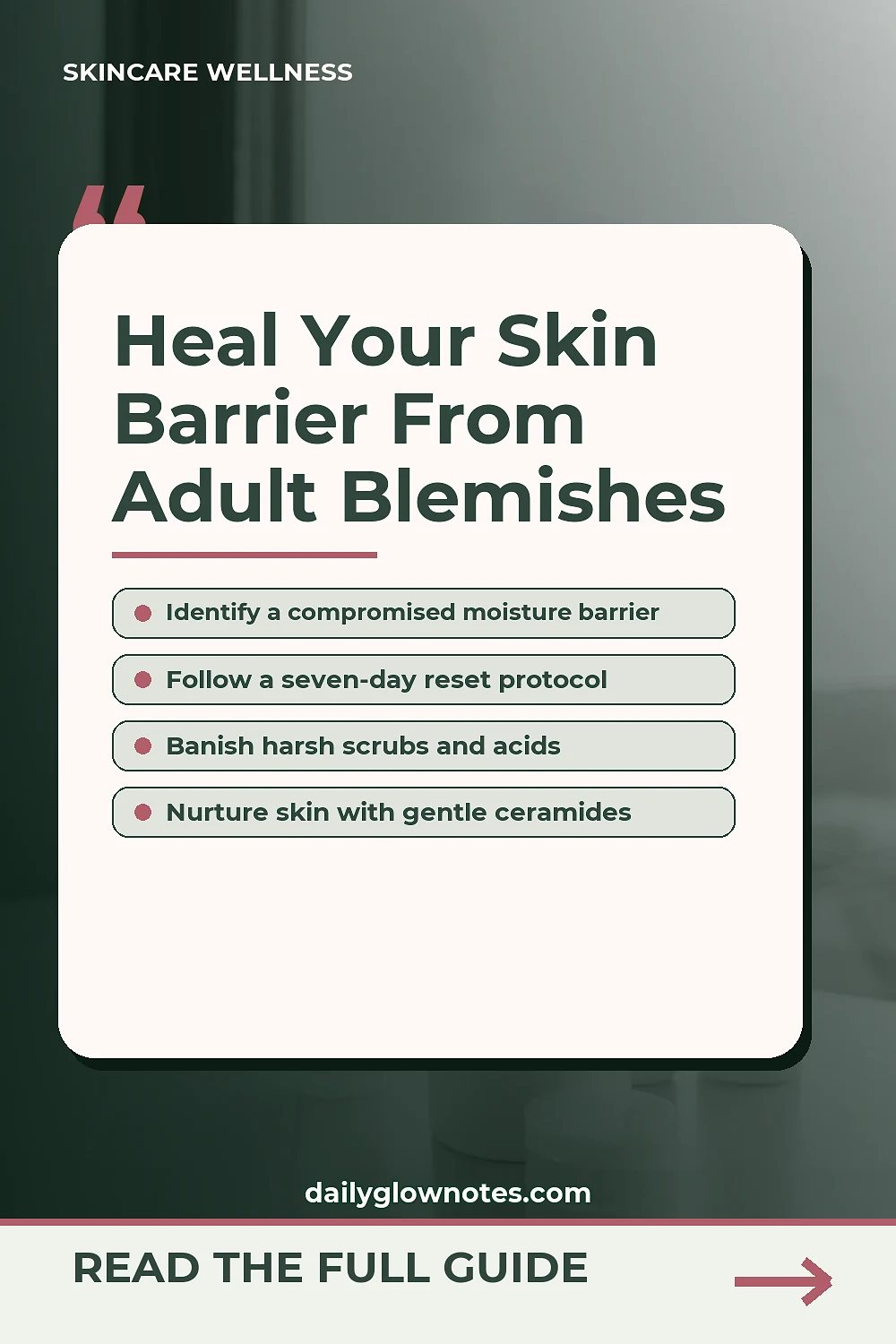
Your skin communicates its distress through very specific, physical feedback loops that are easy to misinterpret if you assume every imperfection requires stronger medication. When your lipid barrier is intact, it acts like a tightly woven brick wall, keeping moisture locked inside while blocking external irritants and bacteria. When harsh acids, excessive retinoid use, or rough physical scrubs dismantle this protective mortar, micro-tears and invisible gaps form. This vulnerability manifests as chronic redness, an inability of the skin to retain hydration no matter how much product you apply, and a stinging sensation even when using plain water. By learning to read these early warning signs—such as unusual sensitivity to products you have used for years—you can intercept barrier burnout before it develops into deep inflammation, dermatitis, or severely aggravated cystic flare-ups that take weeks to calm down.
The Strip-Back Strategy: A Seven-Day Reset Protocol
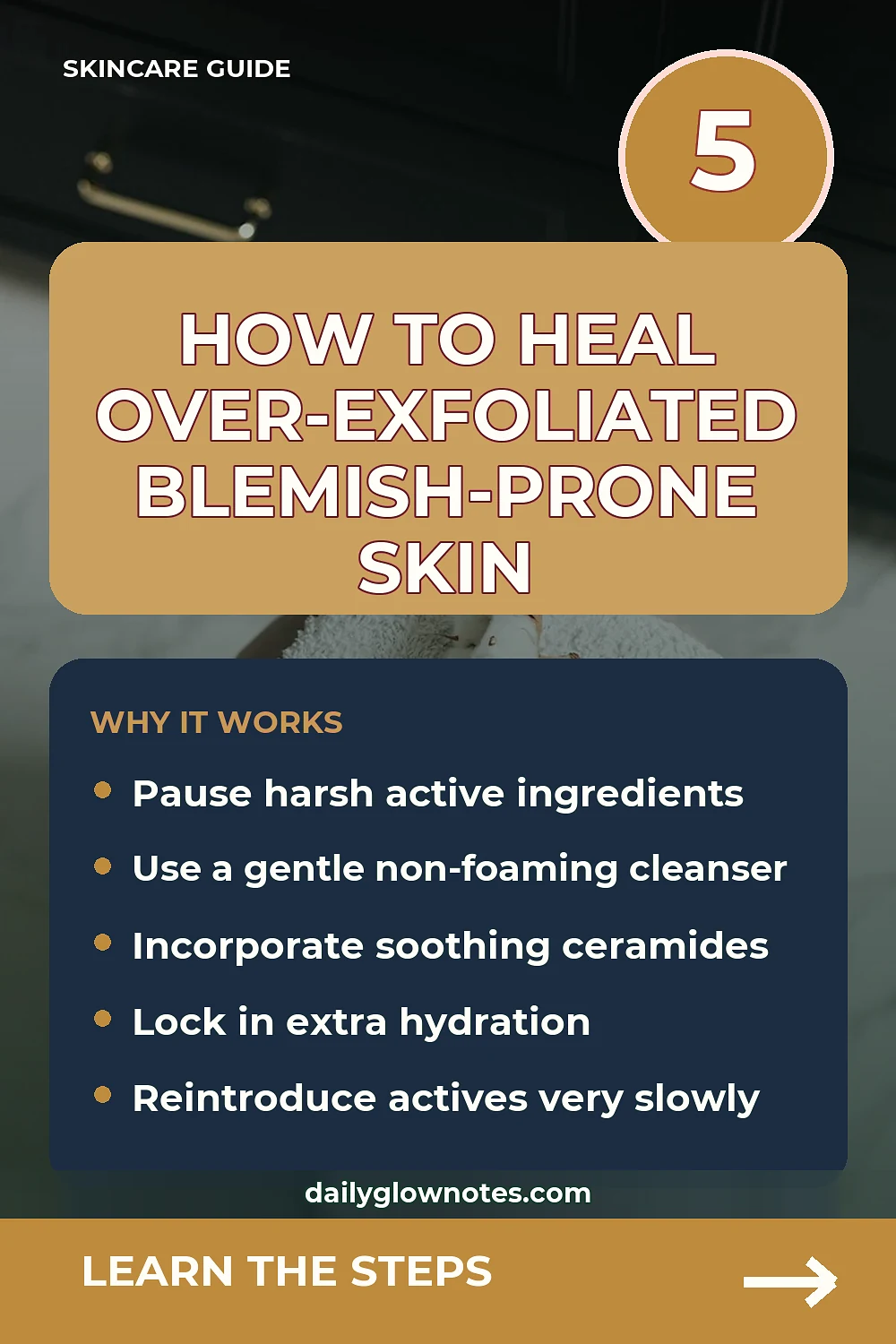
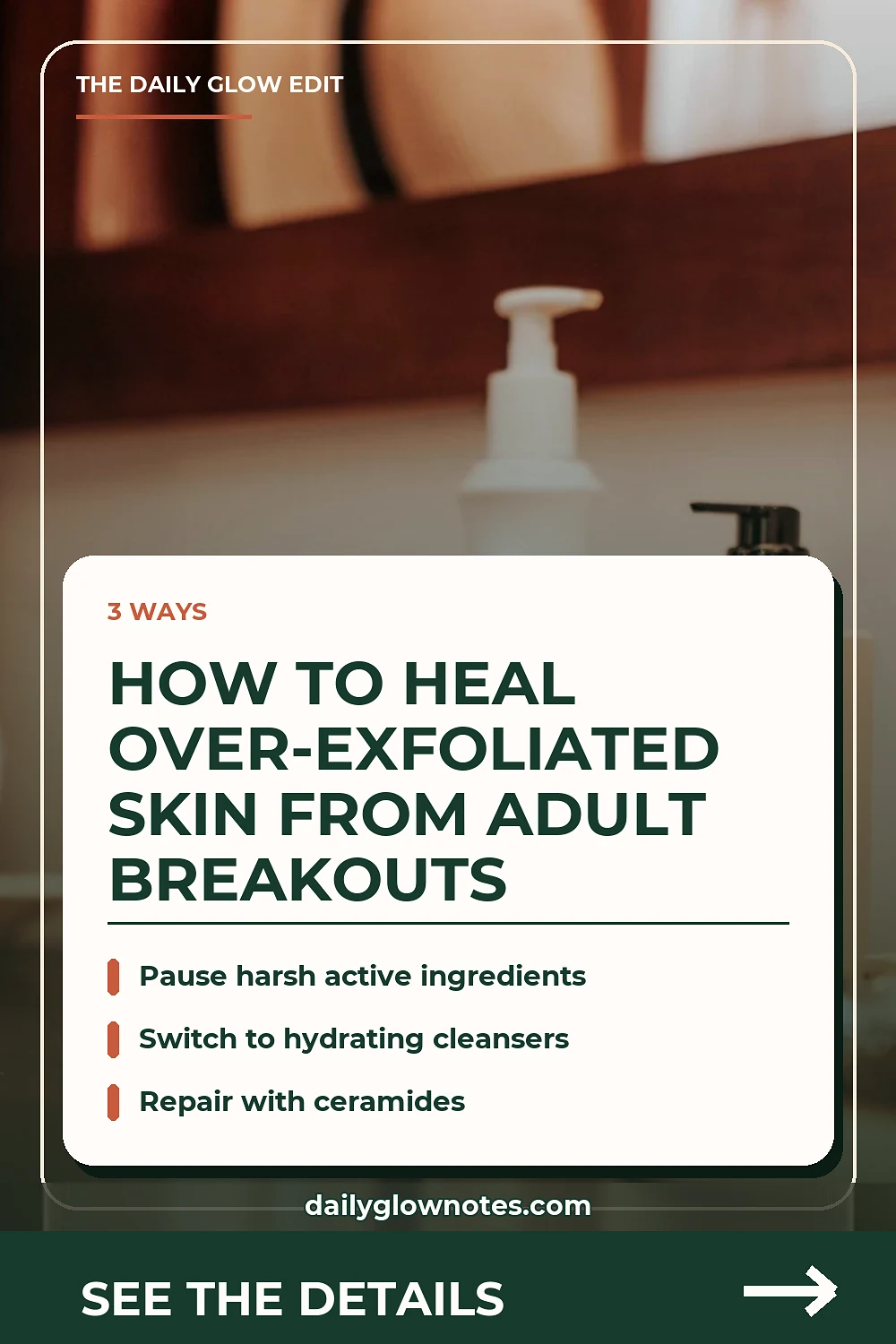
Healing a damaged moisture barrier requires absolute simplicity. For the next week, banish all physical scrubs, glycolic and salicylic acid toners, retinoids, and spot treatments containing benzoyl peroxide. Your new daily regimen consists of three basic steps: a non-foaming, hydrating cleanser, a soothing moisturizer rich in ceramides or glycerin, and a broad-spectrum mineral sunscreen during daylight hours. When cleansing, use lukewarm water rather than hot water, and pat your face dry gently with a clean microfiber towel instead of rubbing. If you want to explore foundational wellness habits that complement external care, many individuals find that following a thoughtful internal approach—such as incorporating Zinamax as an optional daily food supplement for adult women interested in supporting blemish-prone skin and a balanced clear-skin wellness routine—can be a supportive addition to their holistic toolkit. Remember that a supplement is designed to support, not replace, consistent topical care and healthy lifestyle choices.
As you navigate this recovery phase, you may find it helpful to read more about Restoring Your Skin Barrier: A Gentle Approach to Blemish-Prone Skin for additional insights on nurturing compromised skin without overwhelming your pores.