

That stinging sensation after applying your favorite chemical exfoliant is often the first warning sign that your skin barrier has been pushed past its limit. When managing blemish-prone skin, the temptation to use stronger acids, daily scrubs, and potent retinoids simultaneously can feel logical. After all, nobody wants clogged pores or lingering surface texture. Unfortunately, over-doing the actives strips away the vital lipid matrix protecting your complexion, leaving it raw, dehydrated, and paradoxically more vulnerable to sudden breakouts and irritation.
Understanding the Over-Exfoliated Skin Reset Routine for Sensitive Blemish Prone Skin
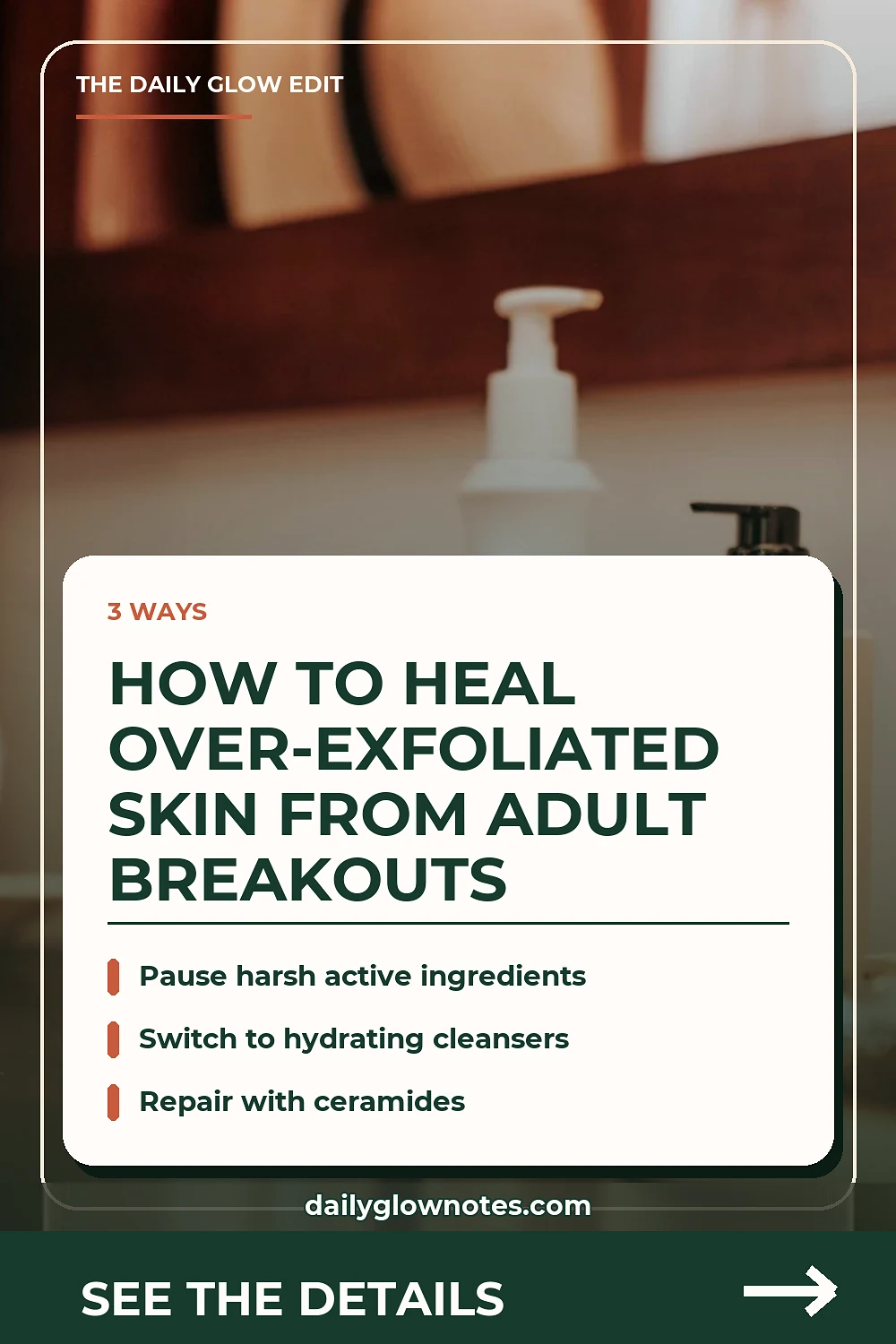
An effective over exfoliated skin reset routine for sensitive blemish prone skin requires radical simplification. Instead of fighting your skin with harsh treatments, your primary goal shifts entirely to comfort, hydration, and gentle protection. By stripping your daily regimen down to the bare essentials, you give your skin cells the breathing room they need to repair micro-tears and restore natural resilience. Recognizing the early signs of over-exfoliation—such as persistent redness, flaking, tightness, and a shiny yet dehydrated appearance—allows you to intervene before more severe inflammation sets in.
Step One: Strip Back to Ultra-Gentle Cleansing
When your skin barrier is compromised, standard foaming cleansers or medicated acne washes can cause immediate discomfort. Switch immediately to a non-foaming, milk or lotion-based cleanser that cleanses without stripping away essential moisture. Massage the product into your skin using lukewarm water—never hot—and pat dry gently with a soft cotton towel. Avoid washcloths or mechanical scrubbing tools entirely until your skin feels completely normal again.
Keeping your cleansing step minimalist prevents further disruption of your acid mantle. If your skin feels tight or stings even with a gentle cleanser, some people find relief in simply rinsing with lukewarm water in the morning and using a milky cleanser only at night. Taking a cautious approach during these initial days ensures your skin does not experience additional friction or moisture loss while its natural protective mechanisms are temporarily offline.
Step Two: Prioritize Barrier-Repairing Hydration
Hydration is the cornerstone of recovery. Without a strong skin barrier, moisture evaporates rapidly, leading to increased sebum production as your skin tries to compensate for the dryness. Layering lightweight, hydrating toners or essences containing glycerin, panthenol, or hyaluronic acid can instantly soothe raw areas and help restore optimal water balance within the upper layers of the epidermis.
Follow your hydrating layers with a rich, fragrance-free moisturizer containing ceramides, squalane, or niacinamide. These ingredients mimic your natural lipid barrier, helping to lock in hydration and accelerate the healing process. For a deeper dive into nurturing compromised skin, you can explore our guide on Restoring Your Skin Barrier: A Gentle Approach to Blemish-Prone Skin, which outlines additional soothing daily practices. Consistently applying these nourishing components morning and night creates a supportive micro-environment that encourages steady, undisturbed tissue repair.