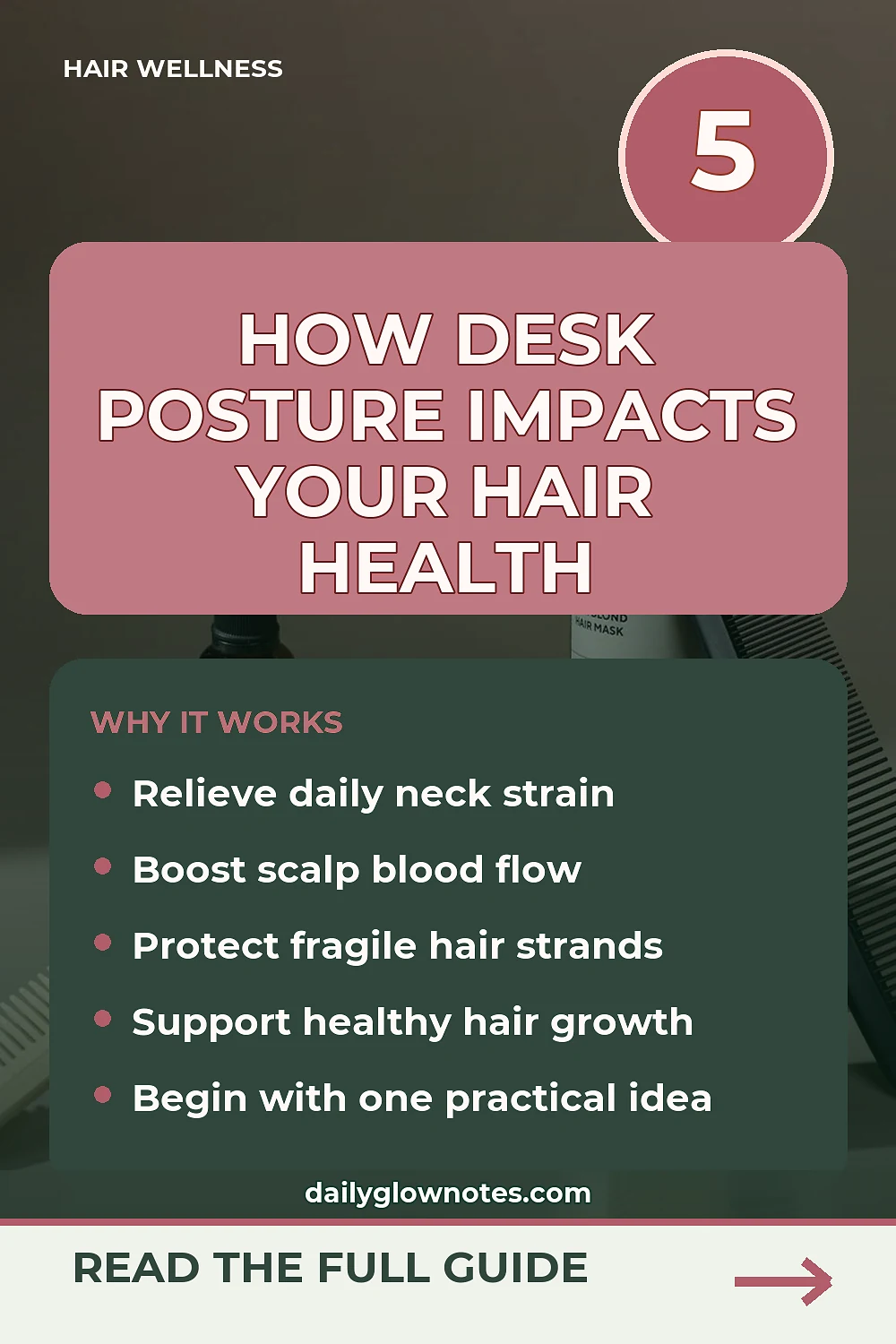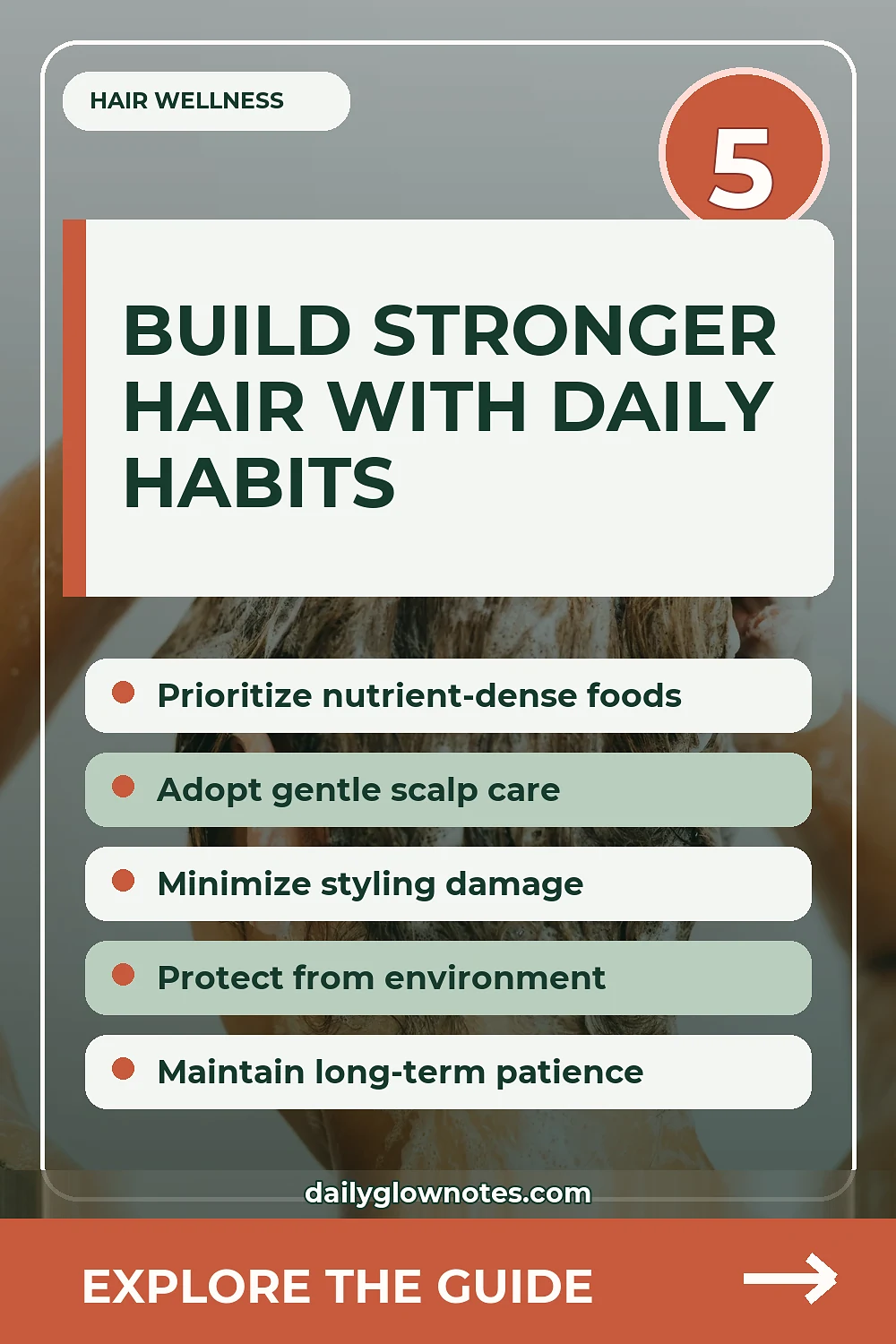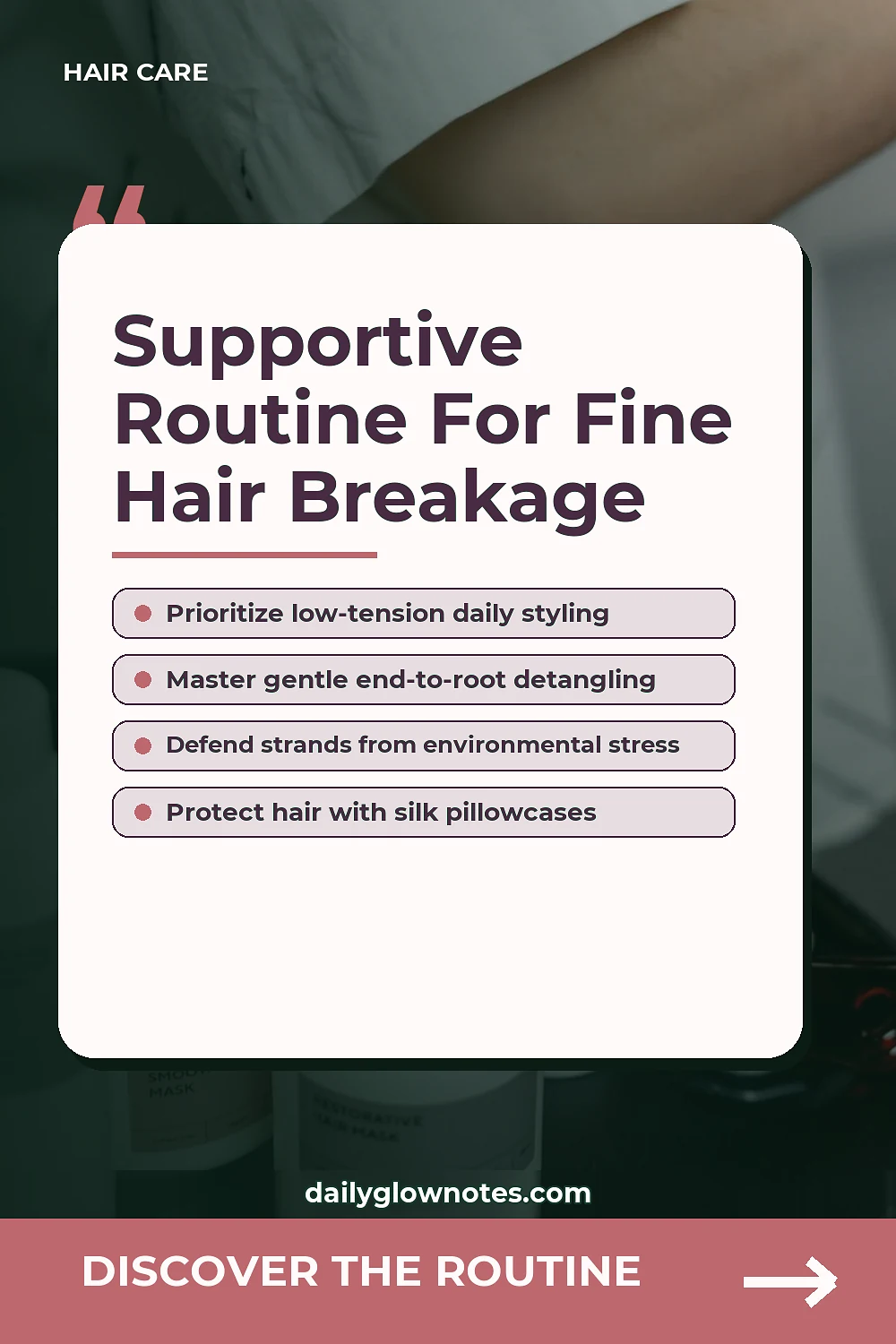

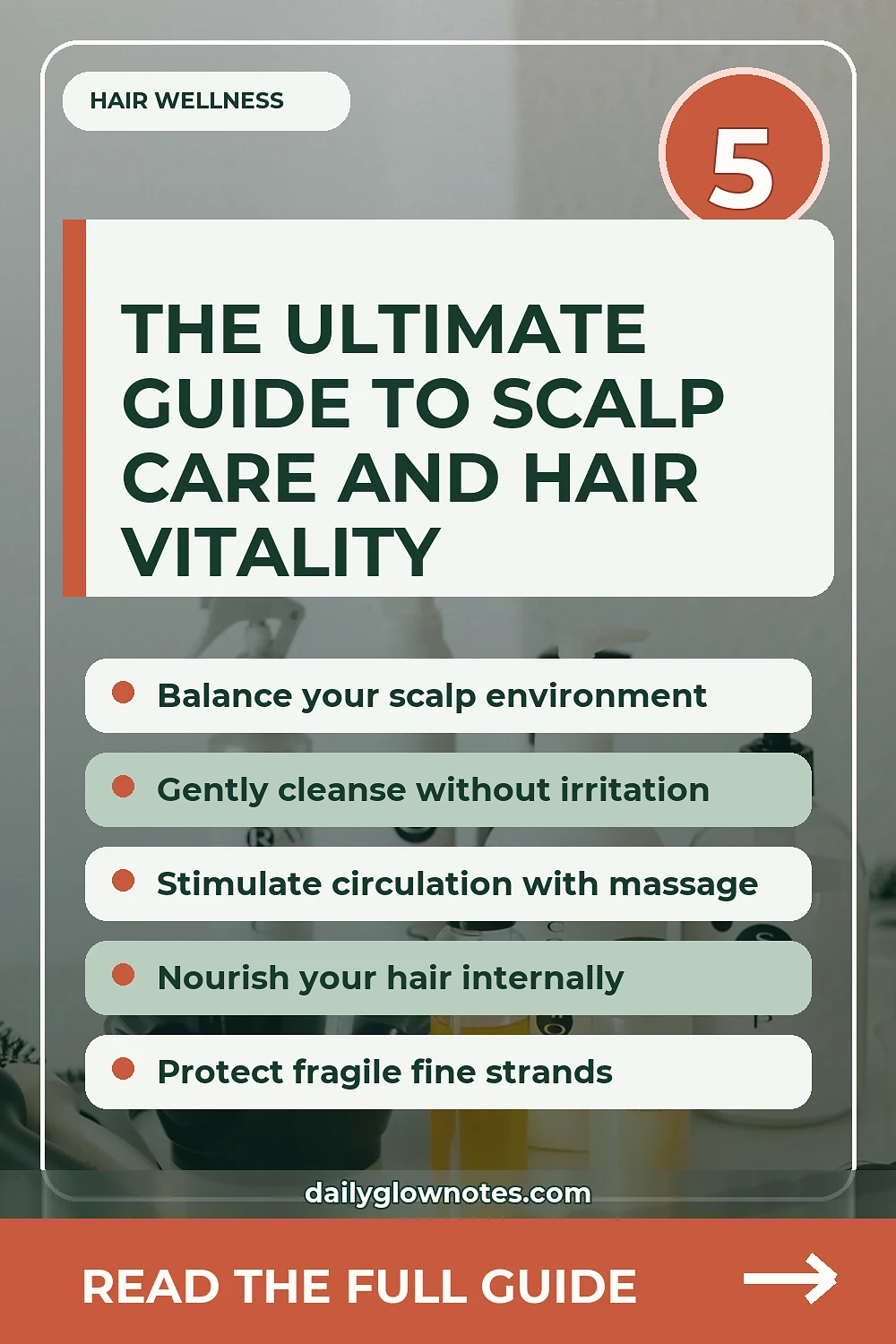
When fine strands begin to break easily or daily shedding feels a bit more noticeable than usual, our first instinct is usually to overhaul our styling products. We switch to volumizing shampoos, invest in heavy-duty masks, or try expensive serums designed to coat the ends of the hair. Yet, treating the hair strands alone often misses the root of the matter. True hair vitality starts directly at the scalp. Cultivating a balanced, calm scalp environment creates the foundation necessary for healthy hair growth support, helping strands feel stronger and more resilient over time.
Many women overlook how daily habits influence scalp comfort. Tight hairstyles, dry indoor air, and styling residue can gradually create tension and tightness. Shifting attention toward gentle, consistent scalp care helps refresh the skin beneath your hair without causing irritation. By adopting a few intentional routines, you can support a healthier environment for your hair to thrive.
Understanding Your Scalp Environment
The skin on your head requires the same thoughtful attention as the skin on your face. When the scalp becomes dry, flaky, or congested with product buildup, hair follicles face a less-than-ideal environment. Recognizing signs of imbalance is the first step toward lasting comfort. If your roots feel weighed down quickly or your scalp feels tight by the end of the day, your routine may benefit from a reset.
Seasonal changes and environmental shifts also play a major role in how your scalp behaves. Colder winter air can deplete moisture levels, leading to tightness and flaking, while humid summer months can trigger excess oil production and perspiration. Adapting your hydration habits and washing frequency to match the current climate ensures your scalp remains balanced year-round. Paying attention to these subtle environmental cues prevents minor imbalances from turning into chronic discomfort.
For those who travel frequently or juggle busy schedules, maintaining consistency can be tricky. It is easy to let basic habits slip when your daily rhythm changes. To keep your routine on track, you might find it helpful to review how travel impacts your daily habits by exploring 4 Clues Your Carry-on Hair Routine Is Missing One Key Step, which highlights subtle oversights that disrupt consistency.
Gentle Cleansing and Clarifying Habits
Washing your hair is about more than just removing excess oil; it is an opportunity to clear away daily debris. However, aggressive scrubbing can scratch the delicate skin and trigger irritation. Instead, focus on using your fingertips—never your nails—to massage shampoo gently into the roots using small, circular motions.
Water temperature is another crucial factor during your cleansing routine. Washing with excessively hot water strips away natural lipid barriers that protect the scalp, leaving the skin vulnerable to dryness and irritation. Opting for lukewarm water helps dissolve impurities effectively while preserving the skin's natural moisture balance. Following up with a thorough rinse ensures no lingering soap residue causes irritation later in the day.
Over time, styling creams, dry shampoos, and heavy conditioners can accumulate near the roots, creating a microscopic film that dulls your hair's natural shine. Identifying this accumulation is essential for keeping your scalp breathable. You can learn more about spotting these hidden layers by reading about Recognizing the Signs of Product Buildup, which details how subtle residue affects overall hair texture.
Mindful Massaging for Circulation
A few minutes of gentle massage can transform your hair-care routine from a chore into a soothing ritual. Massaging the scalp helps stimulate surface circulation, delivering vital nutrients to the hair follicles while encouraging relaxation. You can practice this technique right before washing your hair or on dry hair in the evening. Keep your pressure light and steady, moving your fingertips across the crown, temples, and nape of the neck to release everyday tension.
Incorporating this practice regularly also helps relieve muscular tension held in the scalp and forehead. Many people carry significant stress in these areas without realizing it, which can restrict microcirculation. By dedicating a few minutes each evening to deliberate, slow massage movements, you ease muscle tightness and create a more receptive environment for healthy hair maintenance.