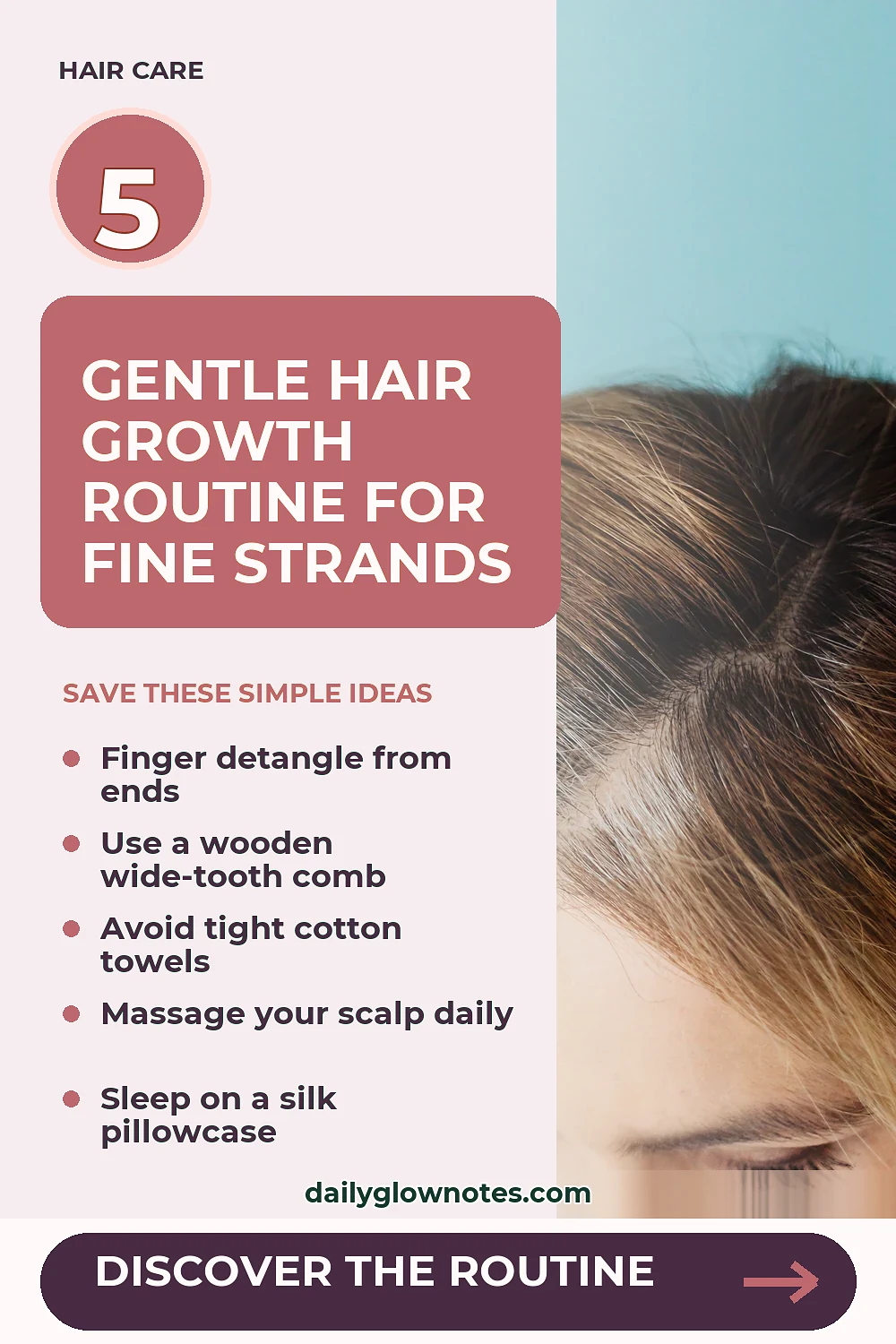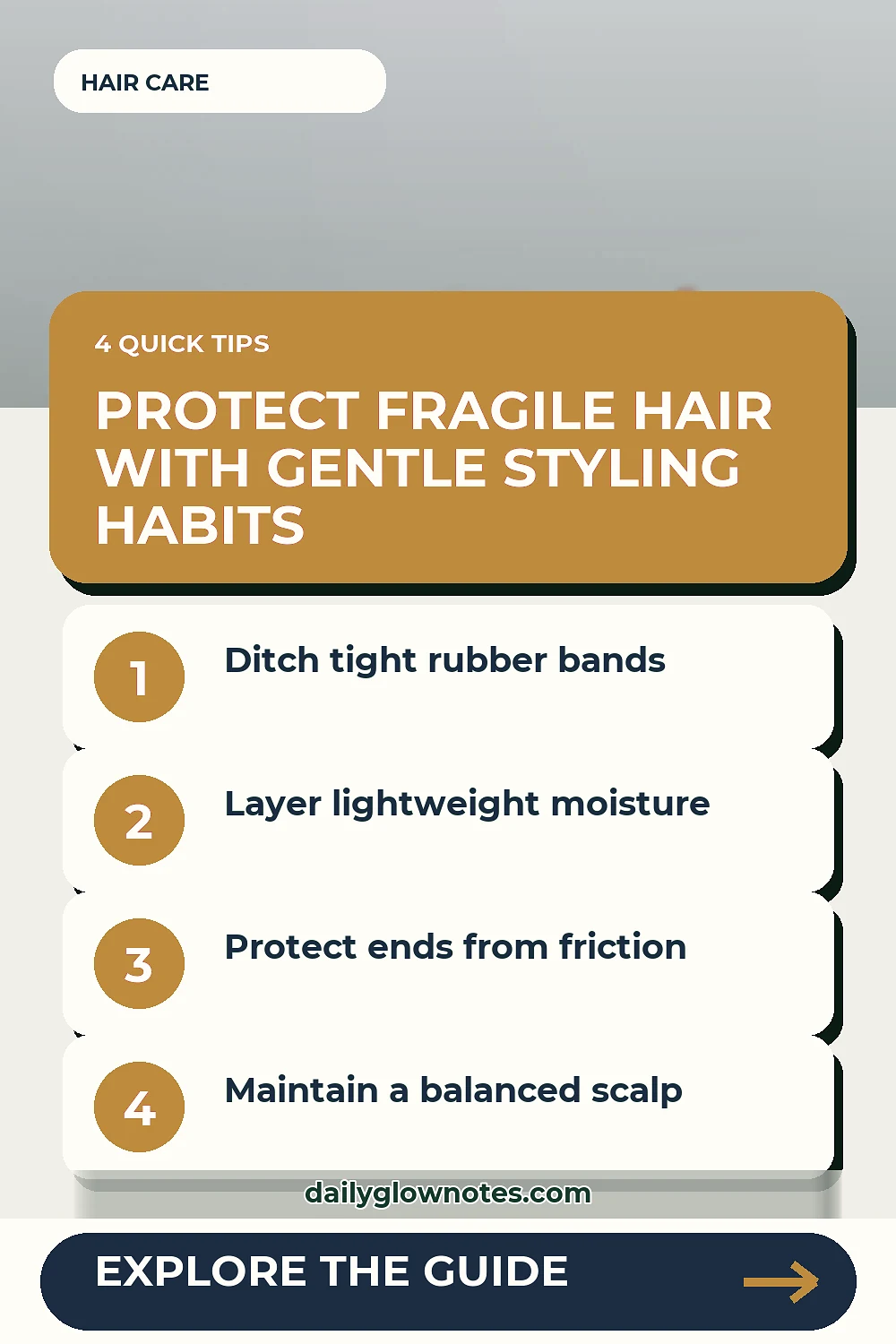

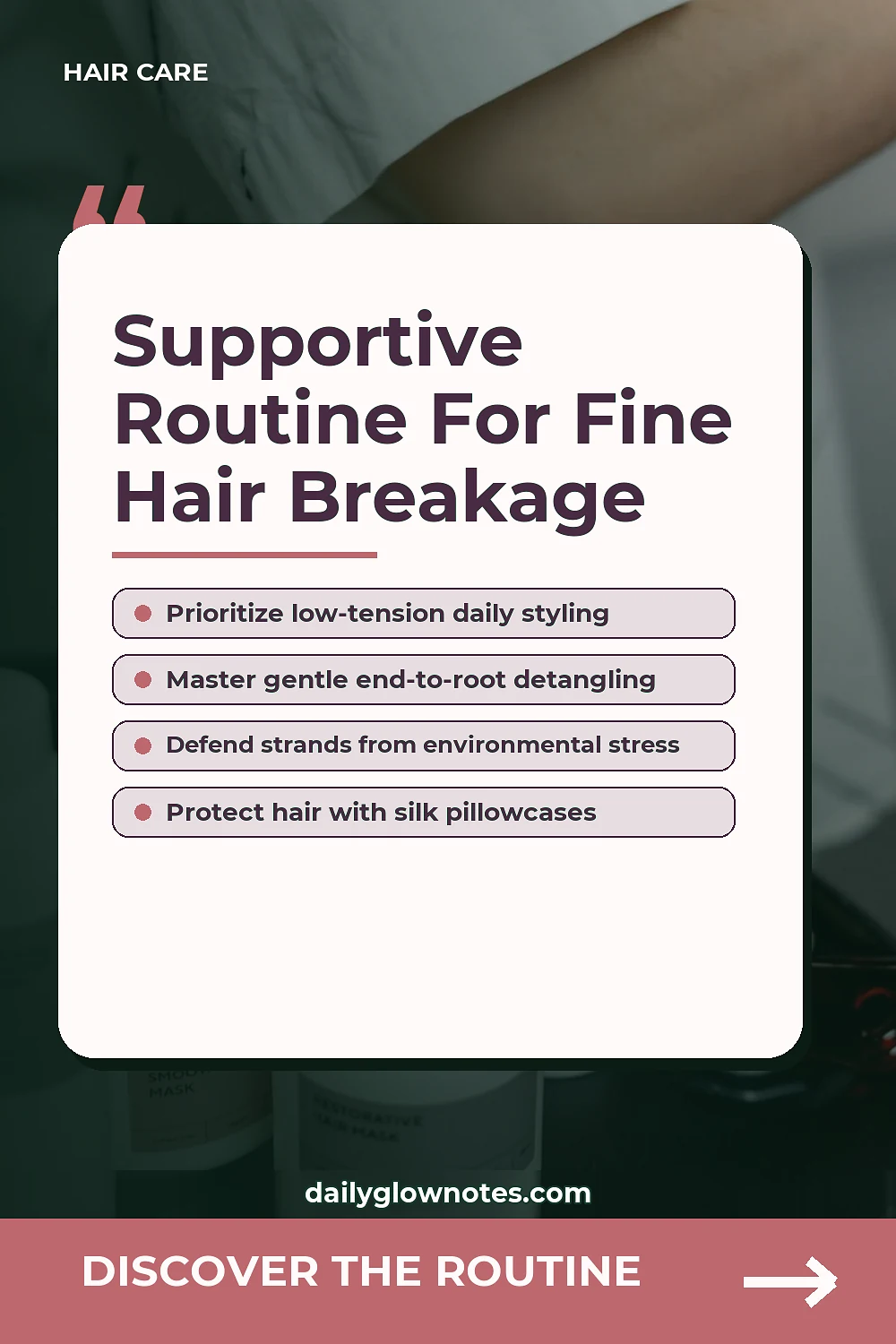
Fine hair has a smaller diameter than medium or coarse hair, making every individual strand more susceptible to environmental stress, mechanical friction, and everyday styling. When dealing with fragile strands, the goal is often less about forcing rapid changes and more about retaining length by preventing daily snap-offs. Many popular hair care routines rely on aggressive scalp stimulation or heavy oiling that can weigh fine hair down or cause further tension during application. Designing a supportive hair growth routine for fine hair breakage means prioritizing low-tension handling, balanced moisture, and respectful care from morning until night.
Understanding Fine, Breakage-Prone Hair
If your strands feel wispy, tangle easily, or seem to stall in length despite your best efforts, your daily handling habits may need a gentle adjustment. Protecting fine hair requires patience and a shift toward techniques that minimize friction. For those navigating the colder months, paying attention to environmental factors is also essential; you can learn more about this in our guide on shielding fine hair from wool scarf friction and winter snapping.
Fine strands lack the structural density of thicker hair textures, meaning that minor chemical or physical stresses can quickly lead to cuticle damage and structural snapping. Recognizing this vulnerability is the first step toward building a compassionate and effective daily maintenance regimen that respects your hair's unique structural limits.
The Morning Low-Tension Routine
Mornings set the tone for how your hair handles the day. Rushing through detangling with a standard bristle brush can pull and snap delicate strands that are already vulnerable. Instead, begin your morning with a wide-tooth comb or a flexible, soft-bristled brush designed specifically for delicate textures. Start detangling gently at the very ends of your hair, slowly working your way up toward the roots rather than dragging a tool straight from scalp to tip.
Styling choices in the morning should also focus on reducing mechanical stress. Skip tight ponytails or heavy metal clips that create sharp crease points and tension breakage. Opt instead for soft silk scrunchies or loose, comfortable styles that keep hair out of your face without pulling on the hairline. A light, alcohol-free leave-in conditioner or hydrating mist can also provide slip, making it easier to manage morning bedhead without causing friction damage.
Additionally, consider how your hair interacts with collars, scarves, and jacket hoods during your morning commute. Taking a moment to tuck fine hair safely inside a smooth satin-lined jacket or wearing it in a tucked-under style can prevent wind-induced tangles before you even step out the door.