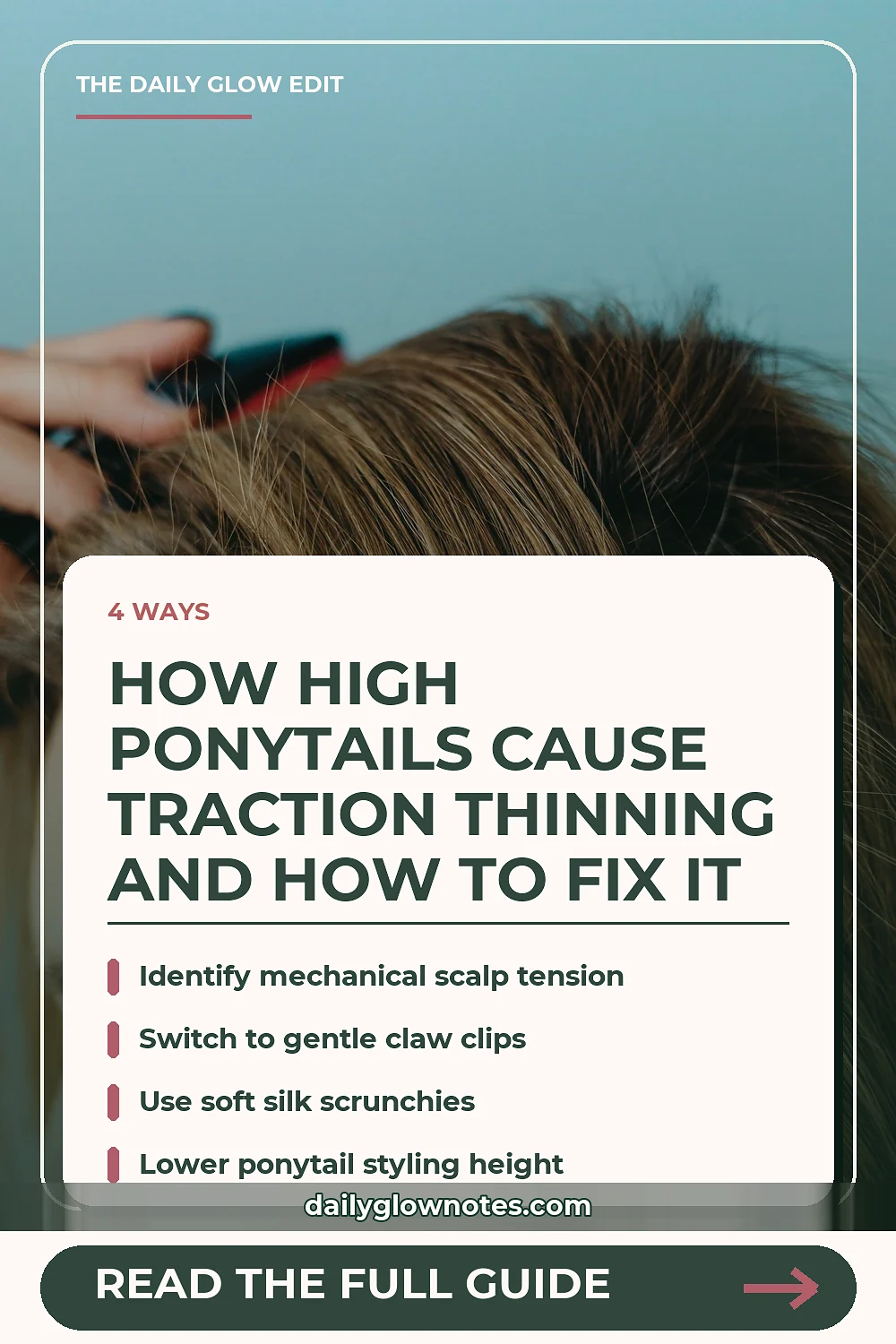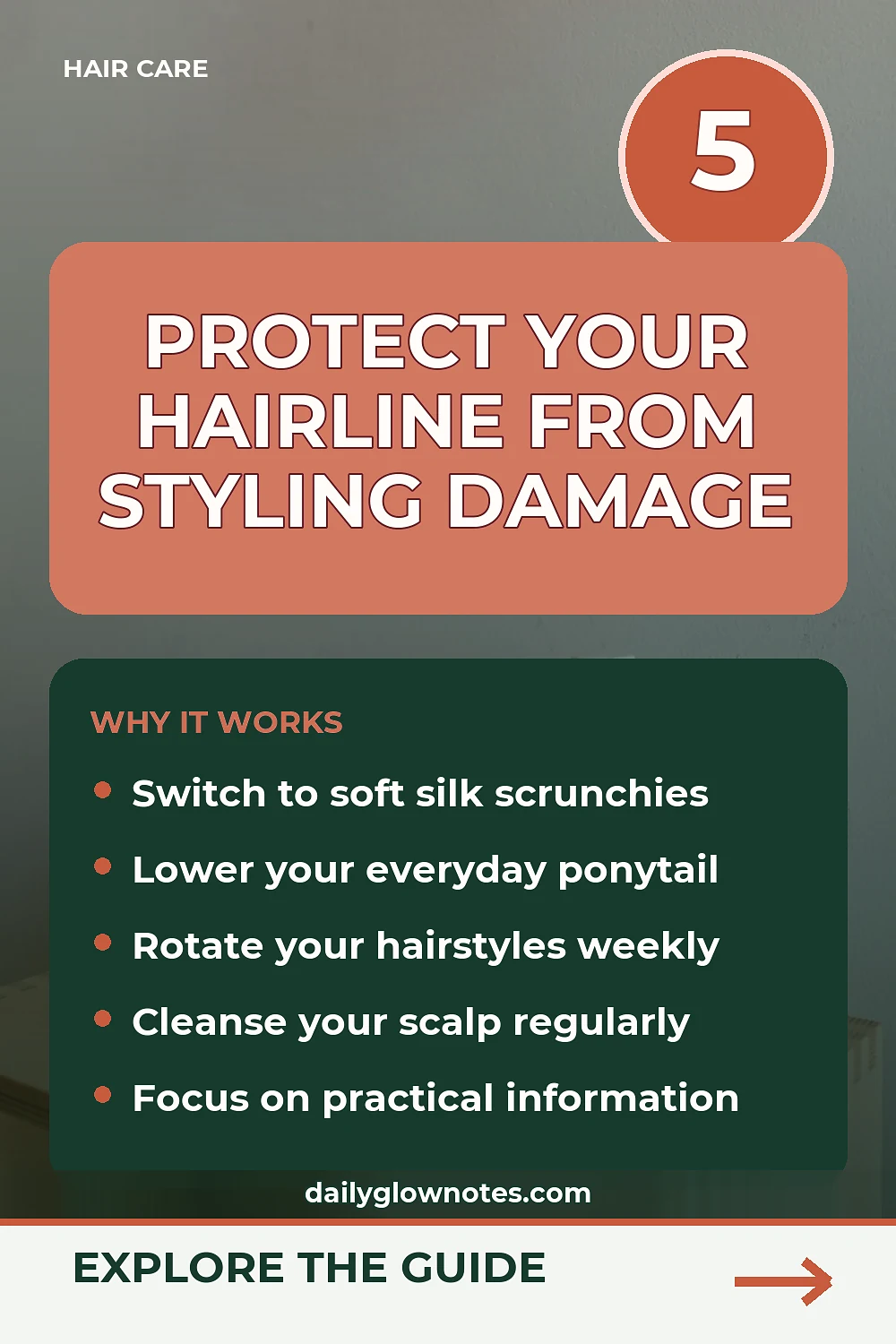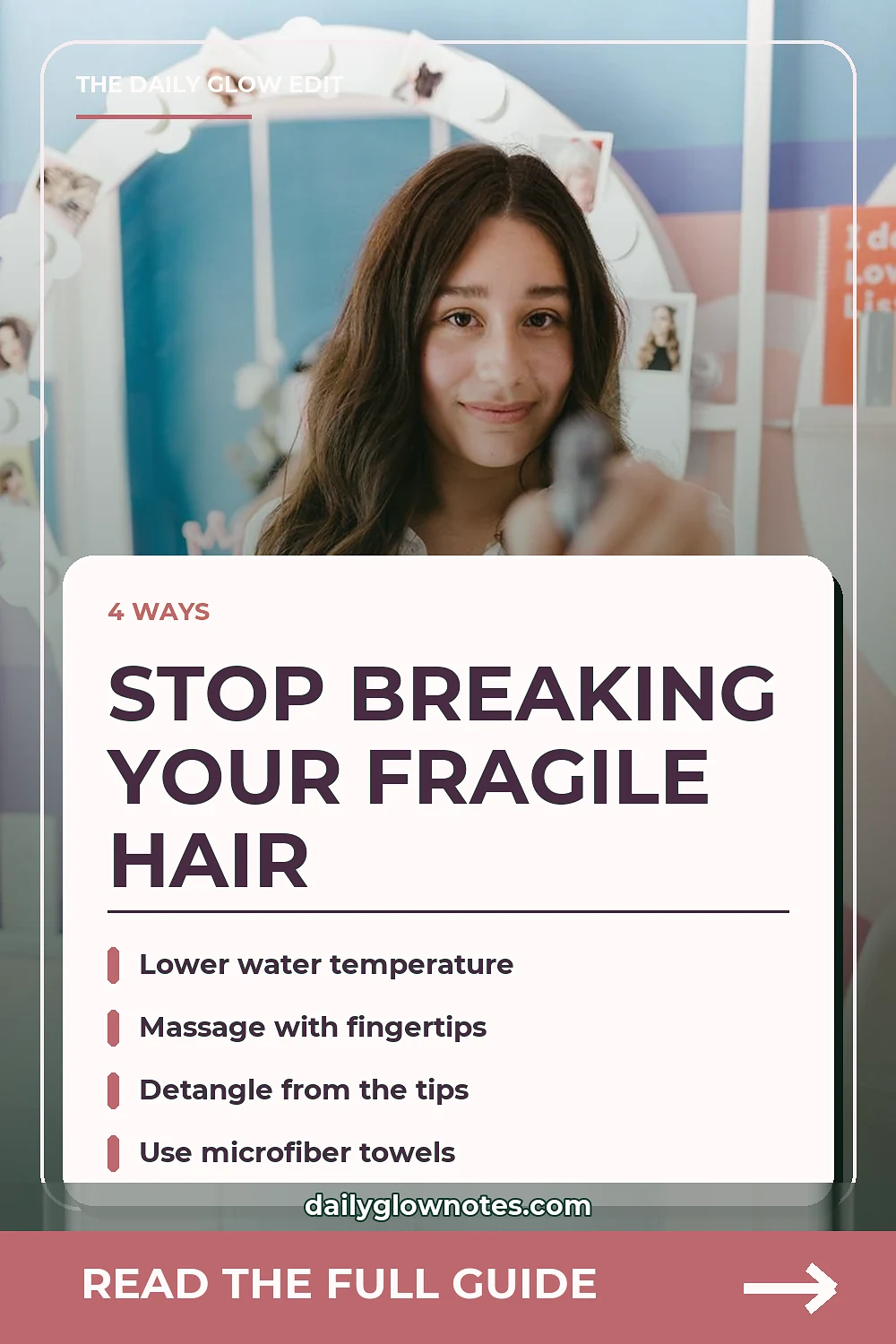

Fragile and thinning hair requires a completely different approach to daily styling than dense, resilient textures. Every time we pull, twist, smooth, or secure our hair, mechanical stress accumulates along the hair shaft. For adult women experiencing excessive shedding, breakage, or fine textures, protective styling and moisture retention for fragile hair become essential daily practices rather than occasional routines. When hair is already weak, daily brushing and high-tension ponytails can exacerbate snapping. By minimizing unnecessary manipulation, we give delicate strands the physical breathing room they need to retain length and resist everyday friction. Understanding these vulnerabilities allows us to design a routine that respects the delicate nature of each strand.
Understanding the Mechanics of Fragile Strands
Fragile strands often feature a raised or compromised cuticle layer, which means moisture escapes easily and external elements can penetrate and weaken the internal structure. When you examine thinning hair under magnification, the microscopic gaps along the hair shaft become apparent. This structural vulnerability means that standard grooming habits, such as aggressive towel drying or rough detangling, can cause catastrophic damage. Recognizing how delicate your hair truly is shifts your mindset from forced styling to preservation. Instead of trying to force your hair into rigid, high-maintenance shapes, the goal becomes nurturing its natural resilience through thoughtful, gentle handling every single day.
The Core Rules of Low-Tension Styling
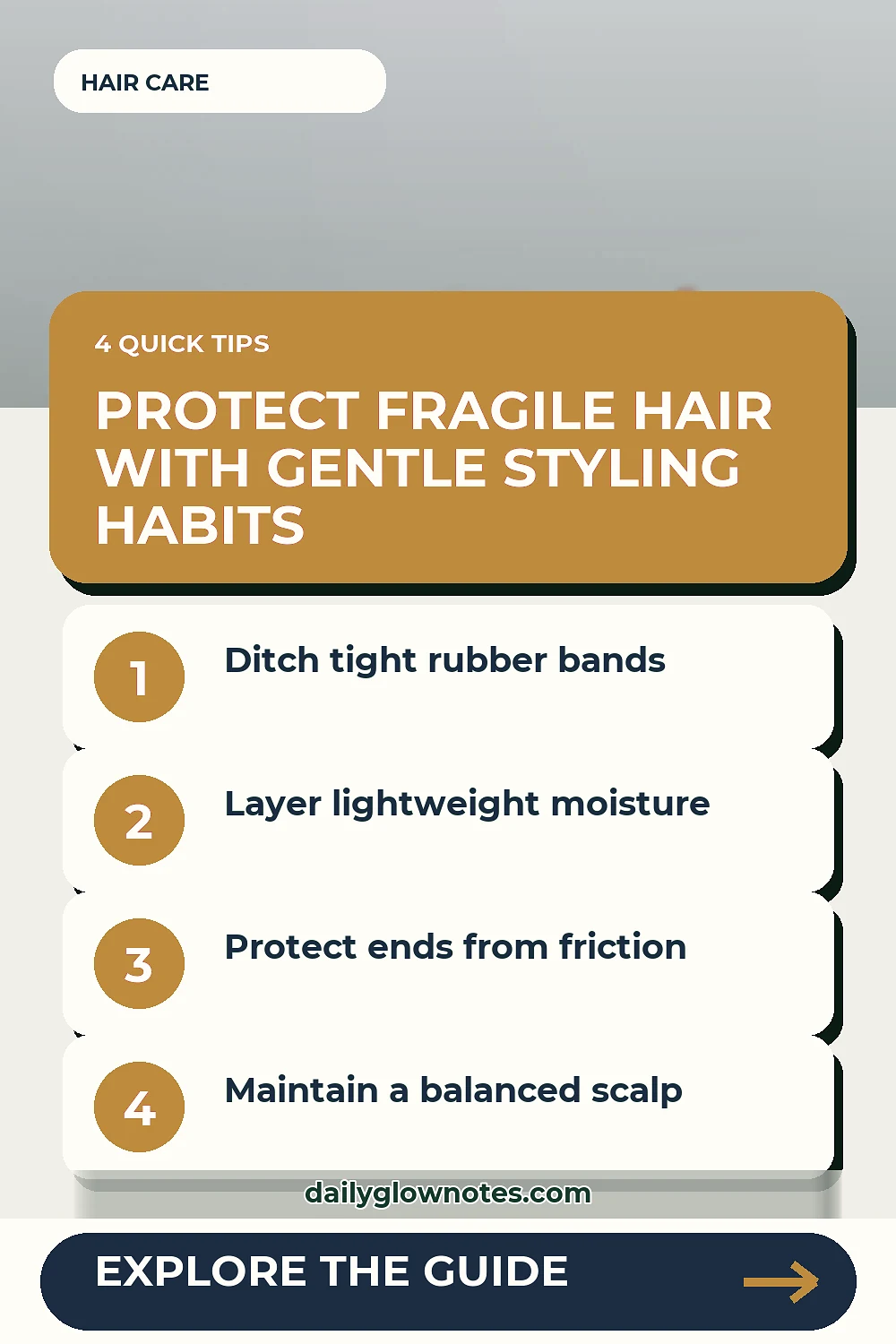
True protective styling should never cause pain, scalp pulling, or tension bumps along the hairline. If a style requires heavy gels and tight pulling to look neat, it is working against the health of your scalp and accelerating traction-related issues. Opt instead for loose, effortless styles that rely on tucking and pinning rather than tight rubber bands or elastic ties. Silk and satin accessories are your best allies here. Swapping cotton scrunchies for smooth silk alternatives drastically reduces the microscopic friction that leads to mid-shaft breakage. When working with textured or fine hair, gentle handling during the takedown process is just as crucial as the styling method itself. Take your time to unravel pins and untwist sections manually rather than ripping through knots.
Moisture Retention as a Foundation for Strength
Dry hair snaps easily under pressure because a lack of internal hydration eliminates flexibility. Protective styles only truly protect when the hair underneath is adequately moisturized and sealed. Layering a lightweight, water-based hydration spray followed by a sealing oil or cream helps maintain elasticity within the hair cuticle, ensuring that strands can bend without breaking. However, heavy, homemade essential-oil or scalp-oil concoctions should be approached with caution, as improper mixing or overly heavy applications can weigh down fine hair and irritate sensitive skin. Keeping the scalp balanced and clean ensures that your protective styling routine supports overall hair comfort and prevents follicle congestion.