
A Wash-Day Temperature and Handling Audit for Fragile Hair becomes easier to understand when the main ideas are organized into practical, realistic steps. This guide explains the core considerations and shows how to apply them thoughtfully in everyday life.
If you notice a disheartening cluster of strands winding around your fingers every time you wash, your routine might need a close evaluation. Fragile, fine, and thinning hair requires a delicate touch, especially when water, heat, and friction combine in the shower. Performing a wash-day temperature and handling audit can completely change how your strands withstand daily styling and minimize unnecessary breakage.
Many of us rush through cleansing without considering how physical tension and water heat affect the structural integrity of each hair. When hair is wet, it swells and becomes significantly more elastic, which also makes it far more vulnerable to snapping. By making small adjustments to your water temperature, detangling methods, and towel-dry habits, you can protect your length and support an overall healthier hair texture.
The Hidden Cost of Hot Showers on Weak Strands
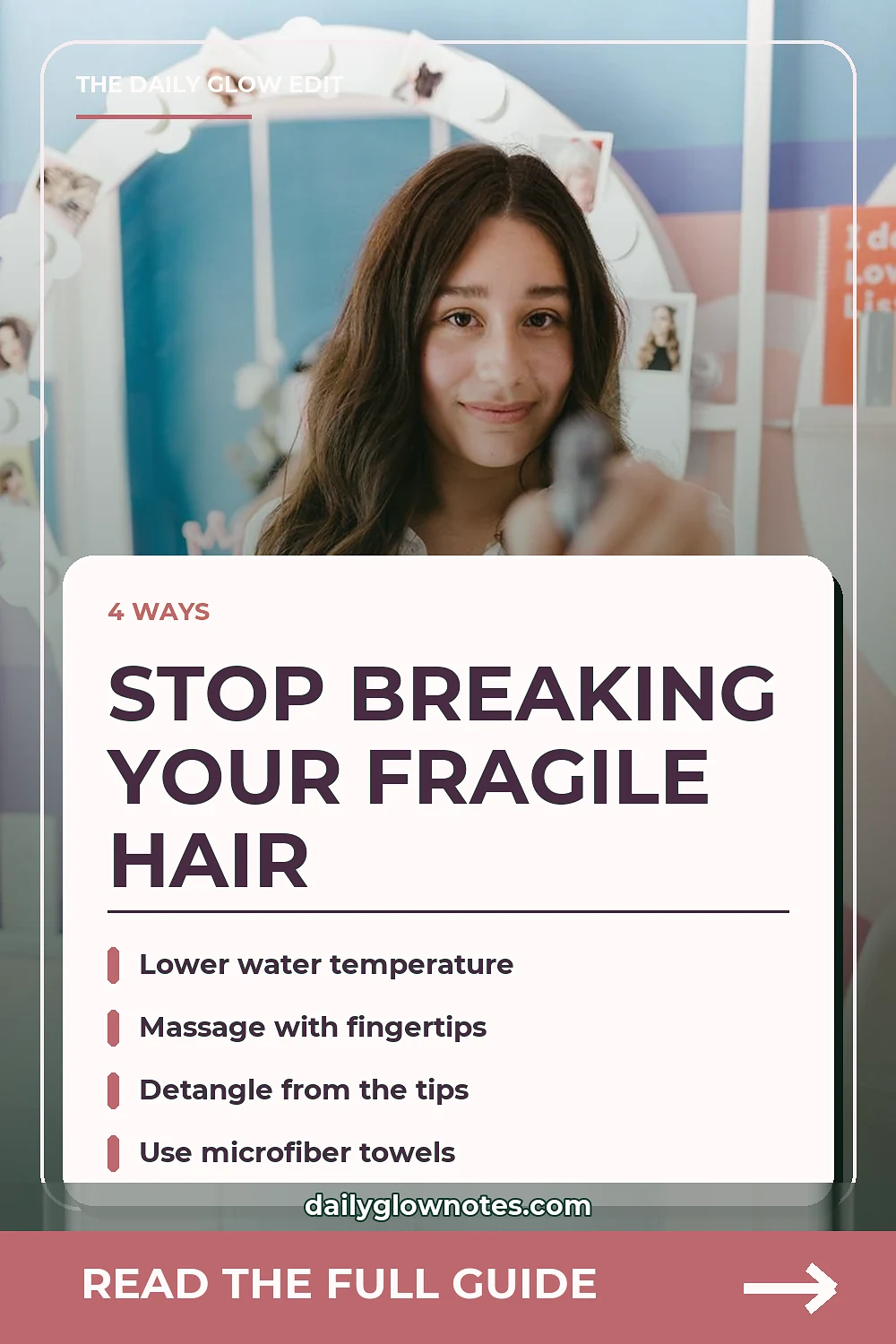
There is nothing quite like a steaming hot shower to unwind after a long day, but your scalp and delicate strands often pay the price. High water temperatures strip away the natural sebum that acts as a protective buffer for your cuticle. Without this lipid layer, hair fibers become increasingly porous, dry, and prone to friction-induced snapping.
Switching to lukewarm water during your wash cycle helps keep the cuticle smooth and prevents the inner cortex from experiencing thermal stress. A cooler rinse at the very end of your shower can also encourage the hair cuticle to lie flat, reflecting light for a smoother, shinier finish without sacrificing your comfort.
Mastering Gentle Scalp Cleansing Without Friction
Aggressive scrubbing is one of the most common culprits behind excessive shedding and localized breakage around the crown. Vigorous circular motions with your fingernails can tangle fine hair beyond repair and irritate a sensitive scalp. Instead, focus on using the pads of your fingers to gently massage your shampoo into the roots using small, deliberate movements.
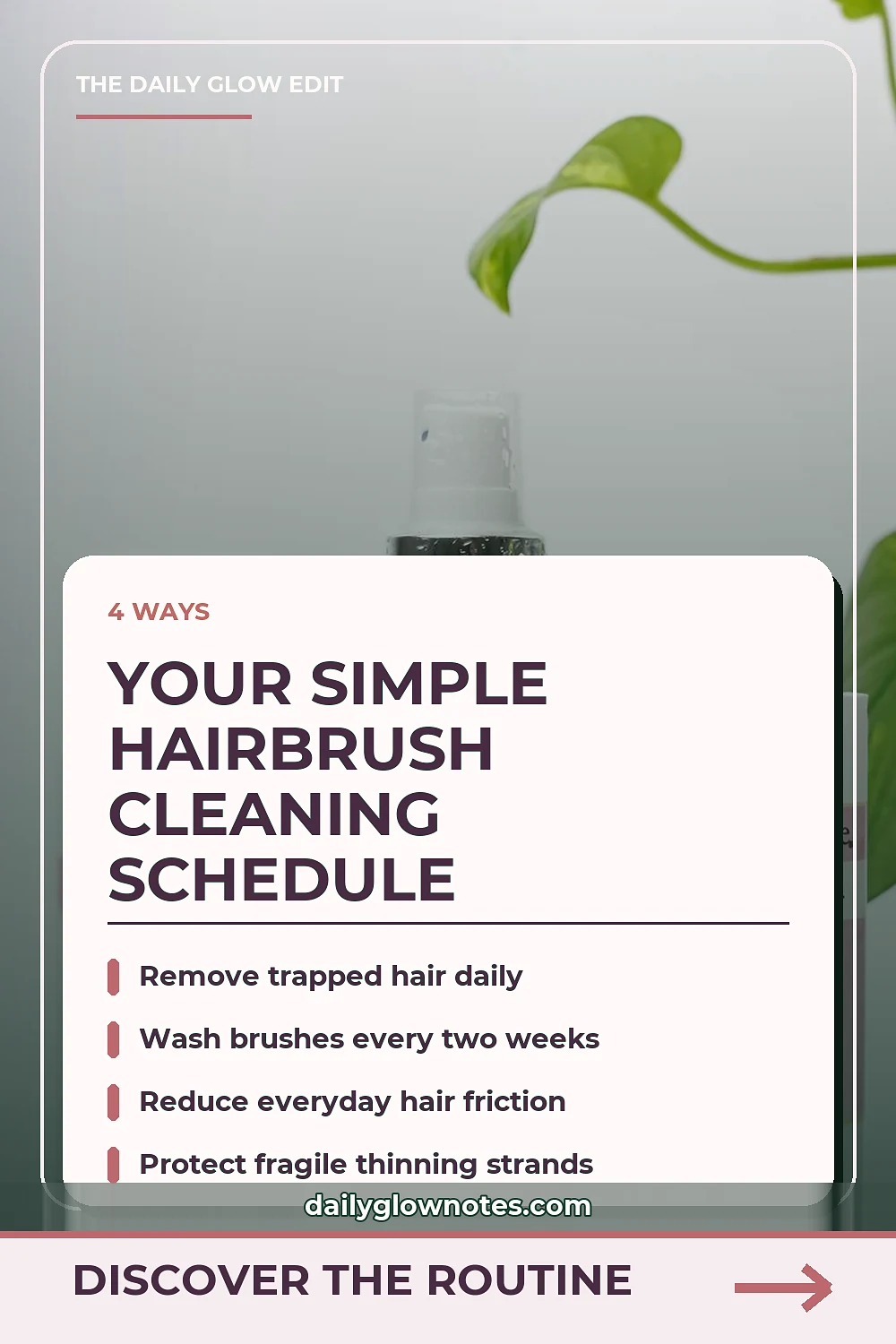
Allow the suds to cleanse the lengths of your hair naturally as you rinse, rather than gathering your strands on top of your head in a harsh friction pile. This simple shift prevents unnecessary knotting and aligns with a broader, low-tension philosophy similar to the habits you might practice when following a consistent hairbrush cleaning schedule for a simpler scalp-care routine to keep your tools pristine.