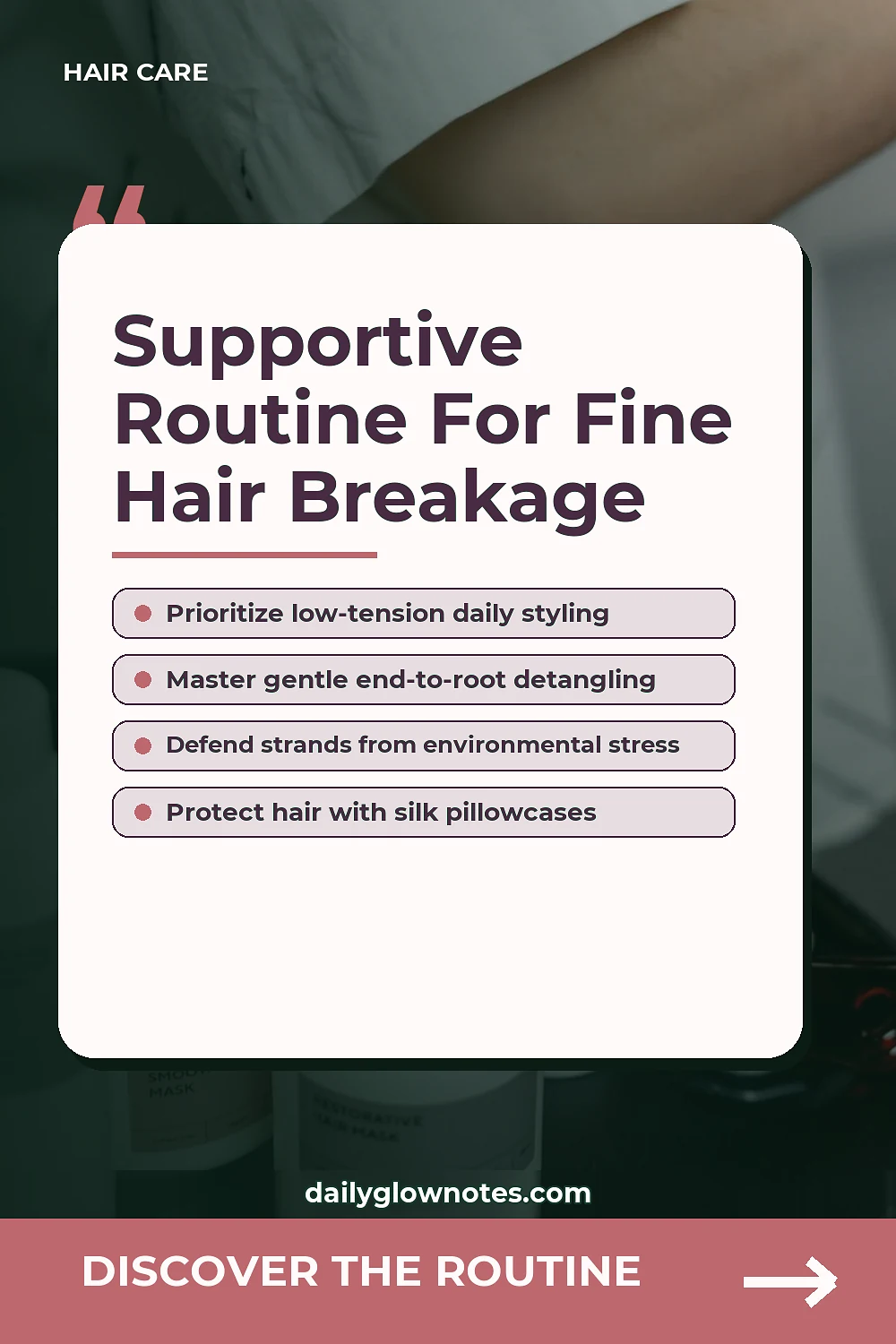

Mornings often arrive with a rush, leaving little time for elaborate self-care rituals. When managing fine, fragile strands or seasonal shedding, rushing through the first hours of the day can lead to aggressive brushing, tight ponytails, and unnecessary mechanical damage. Developing a streamlined morning hair growth routine for thinning hair does not require an extensive lineup of products or a lengthy styling session. Instead, shifting focus toward low-manipulation habits protects delicate lengths from friction and tension before walking out the door.
Protecting vulnerable hair starts the moment you get out of bed. Friction from standard cotton pillowcases and hurried detangling sessions can snap weakened strands when they are most vulnerable. By adopting a mindful sequence that prioritizes gentle handling, proper tool choice, and supportive daily nutrition, you create an environment where fine hair can thrive over time. Building these micro-habits into your early schedule ensures that every single day contributes positively to your overall hair density goals rather than setting you back with accidental breakage.
The Core Anatomy of a Morning Gentle-Handling Protocol
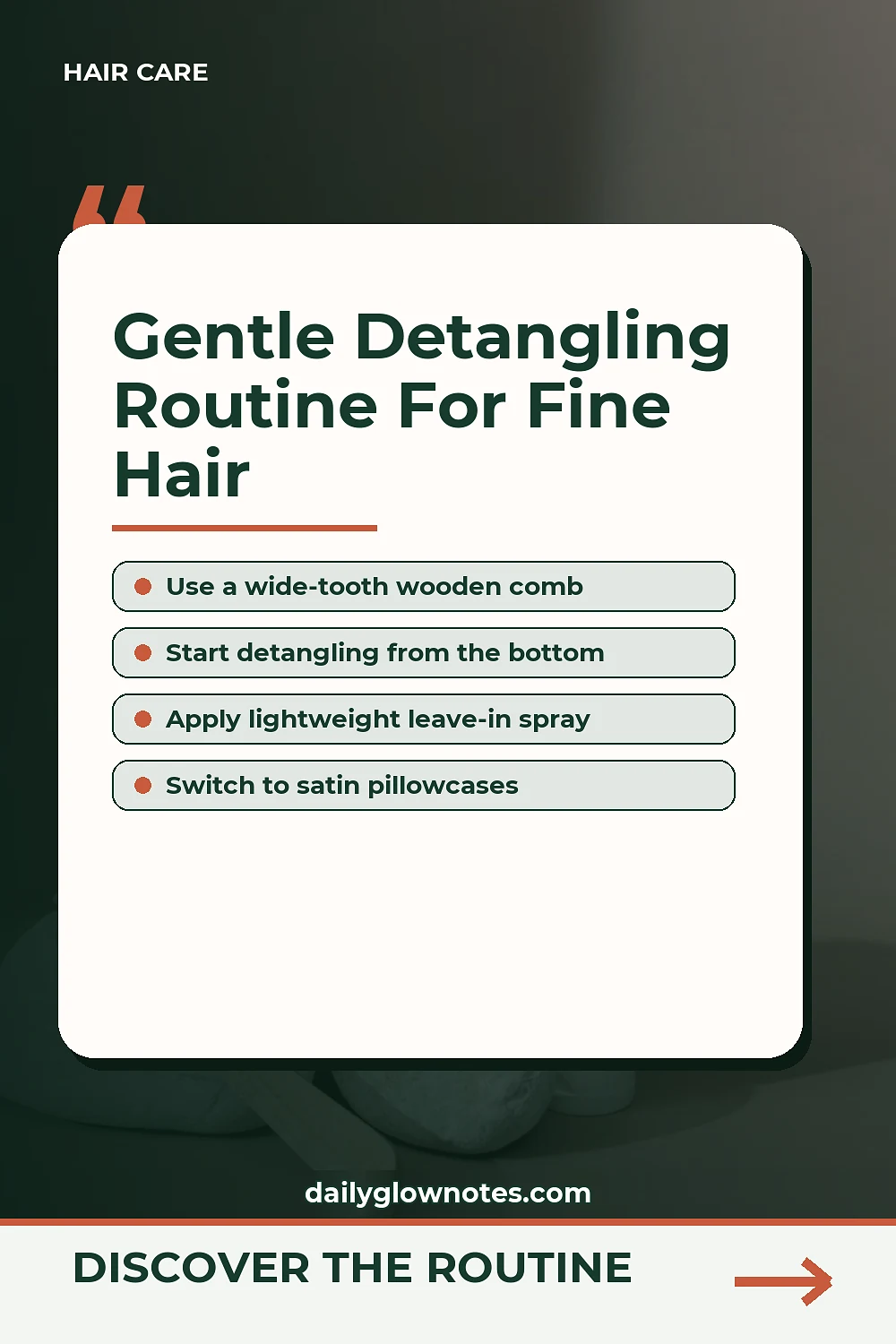
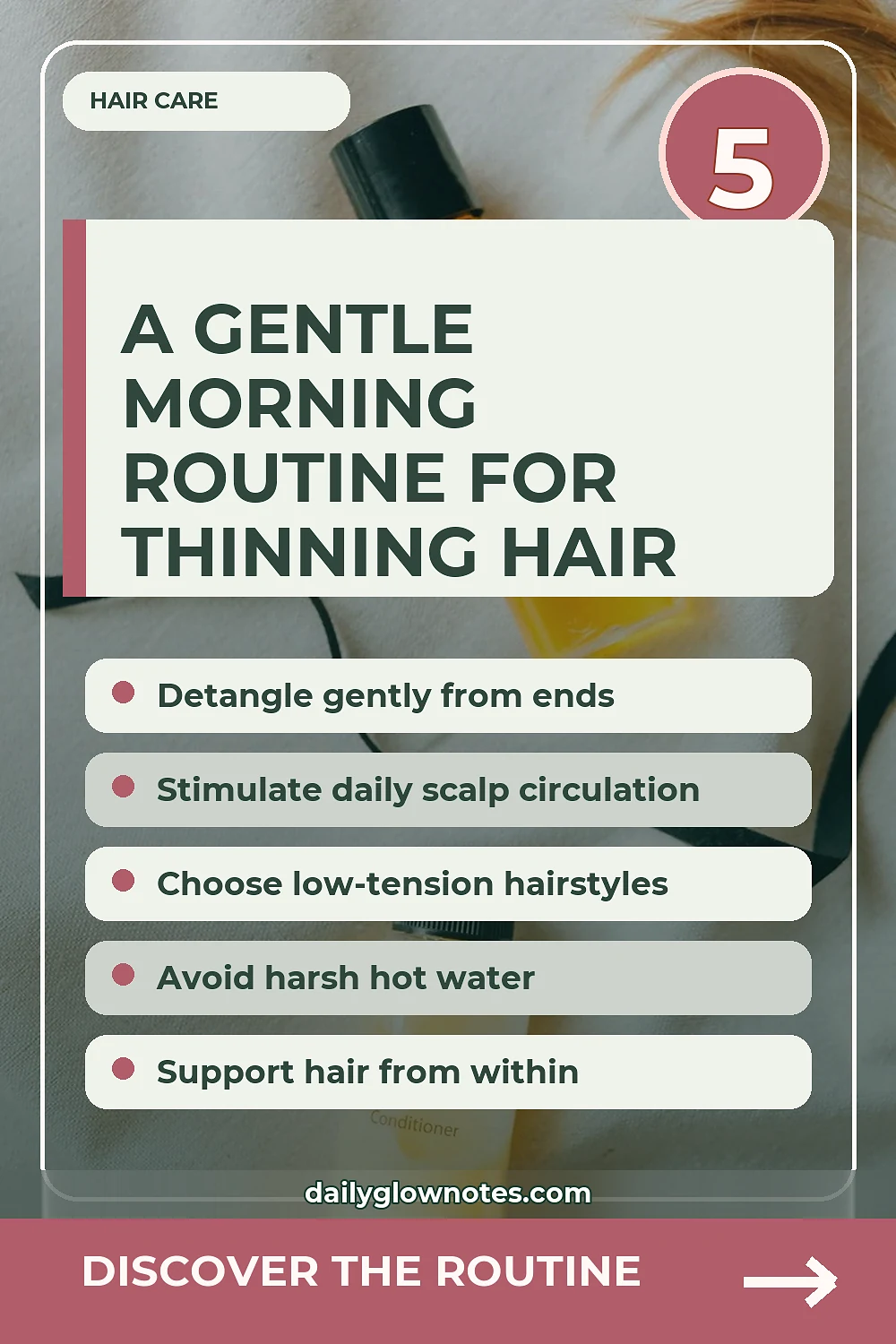
Mornings are high-risk moments for breakage due to overnight tangling. Many people make the mistake of pulling a brush straight from the crown down to the ends, a habit that catches knots and snaps fibers mid-shaft. A safer approach begins at the tips and works gradually upward toward the scalp using a wide-tooth wooden comb. This method distributes natural oils gently while minimizing the pulling force exerted on weakened follicles. Taking your time during this initial phase prevents the cumulative micro-damage that gradually thins out ends over months of rushed grooming.
Temperature also plays a subtle role in early morning hair health. If you wash your hair in the morning, avoid scalding hot water, which can strip the scalp's natural moisture barrier and leave roots vulnerable. Incorporating a proper wash-day temperature and handling audit for fragile hair helps maintain a balanced scalp ecosystem, which is essential for healthy hair growth. Pat your hair gently with a microfiber towel rather than rubbing vigorously, as wet hair stretches and breaks easily under friction. Always allow your hair to air dry partially or use a cool setting on your blow dryer to prevent thermal stress.
Selecting the Right Morning Tools for Fine Strands
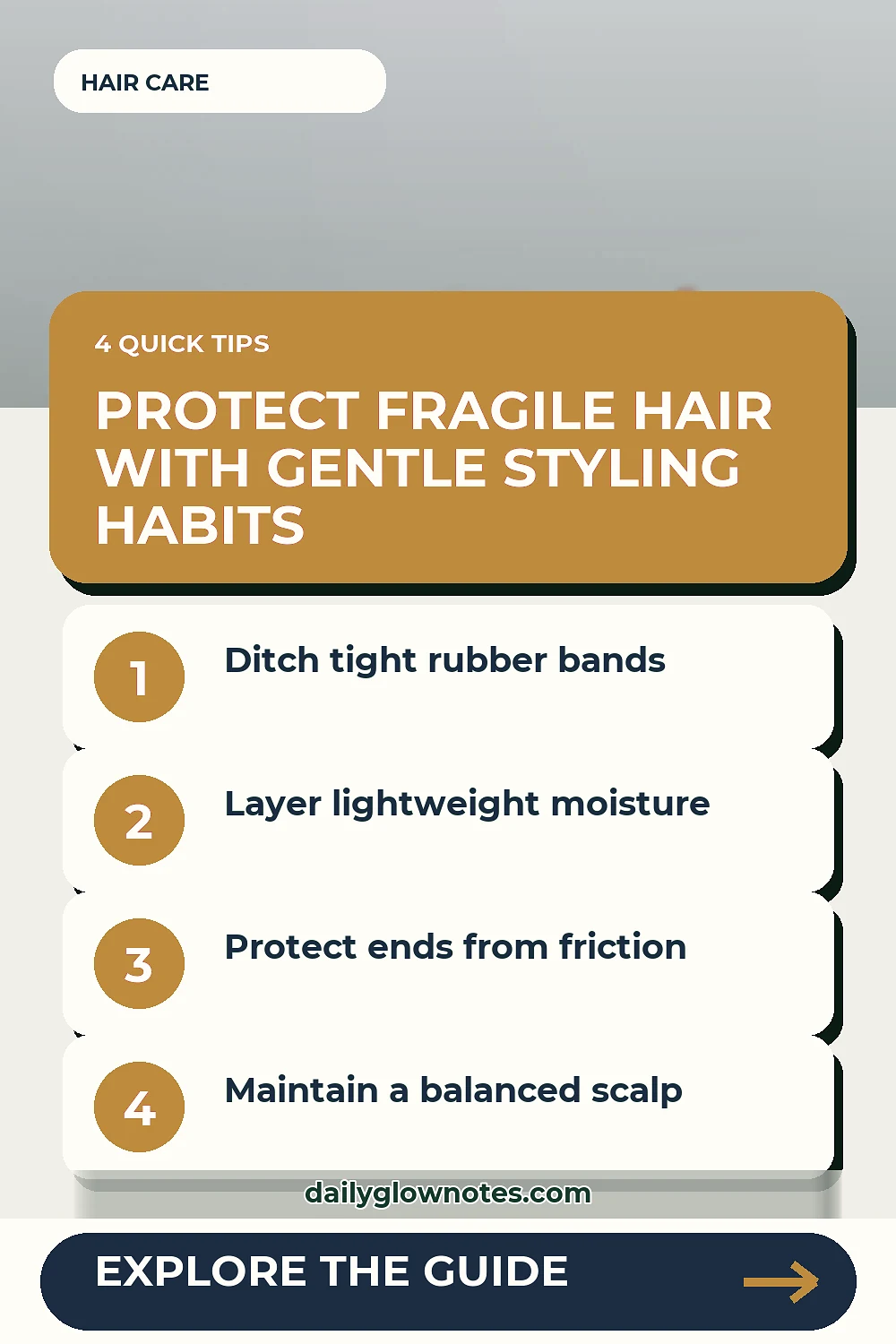
The tools you choose dictate how much physical stress your hair experiences daily. Metal-bristled brushes and tight rubber elastics create microscopic tears in the delicate cuticle layer. Swapping these out for seamless combs, soft silk scrunchies, and flexible styling tools dramatically reduces daily wear and tear. Furthermore, cleaning your hairbrushes weekly removes product buildup and stray oils that can weigh down fine roots and attract ambient dust.
When styling fine hair for the day, avoid high-tension updos that pull constantly at the hairline and can eventually lead to traction alopecia. Instead, opt for loose, low ponytails or soft claws that hold hair securely without creating sharp bending angles. If you step outside into brisk morning weather, pay attention to environmental friction. Layering up with winter garments requires mindfulness, and shielding fine hair from wool scarf friction and winter snapping ensures that coarse fabrics do not abrade your delicate ends during your morning commute. Wearing a satin-lined hood or wrapping your scarf over a smooth collar provides an extra layer of defense.