
Sitting at a desk for eight or nine hours a day often leaves you feeling drained, stiff, and low on energy by mid-afternoon. When your schedule is packed with meetings, emails, and tight deadlines, finding time for fitness can feel like an impossible task. Traditional workouts often require carving out an hour at the gym, which is tough when you are already mentally exhausted from work. However, building a consistent desk job walking routine for weight management can completely transform your daily energy levels without requiring a complete lifestyle overhaul. By breaking movement down into manageable micro-sessions throughout your workday, you can stay active, boost your circulation, and support your long-term wellness goals. Furthermore, adopting this flexible approach removes the psychological pressure of intense gym sessions, making physical activity feel accessible, enjoyable, and seamlessly integrated into your professional life.
The Reality of Sedentary Fatigue
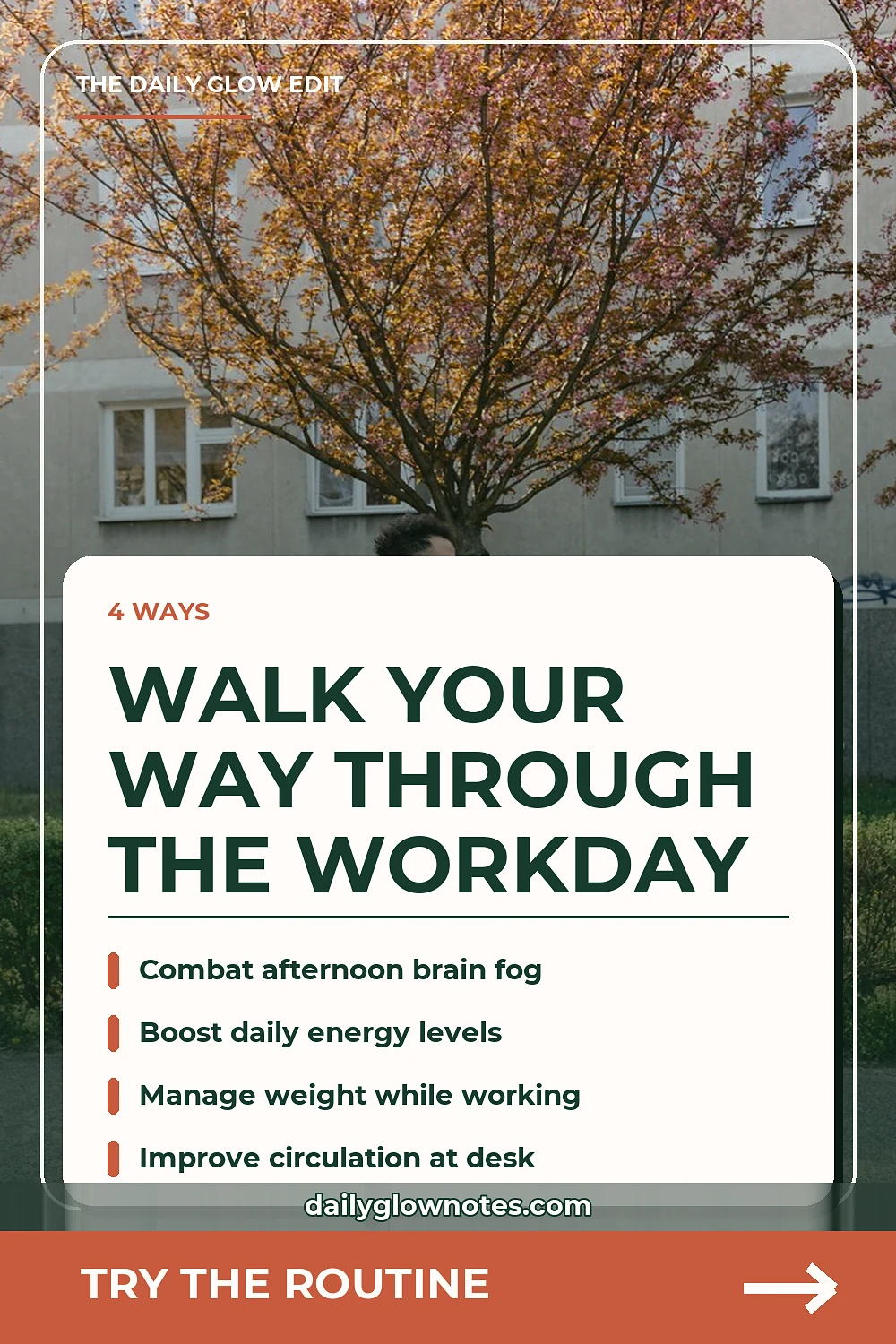
Prolonged sitting does more than just make your lower back ache; it slows down your metabolism and saps your mental focus. Afternoon brain fog is frequently a direct result of stagnant blood flow and prolonged physical inactivity. When muscles remain static for hours, glucose metabolism slows down, and circulation diminishes, leaving you feeling heavy and lethargic. Waiting until the end of the day to get moving often fails because fatigue wins out over willpower. Shifting your mindset toward micro-movements allows you to accumulate steps naturally during your existing work hours. This approach keeps your body engaged and prevents the sluggishness that usually hits right after lunch, ultimately preserving your cognitive stamina until your workday concludes.
Designing Your Morning and Lunchtime Pacing Blocks
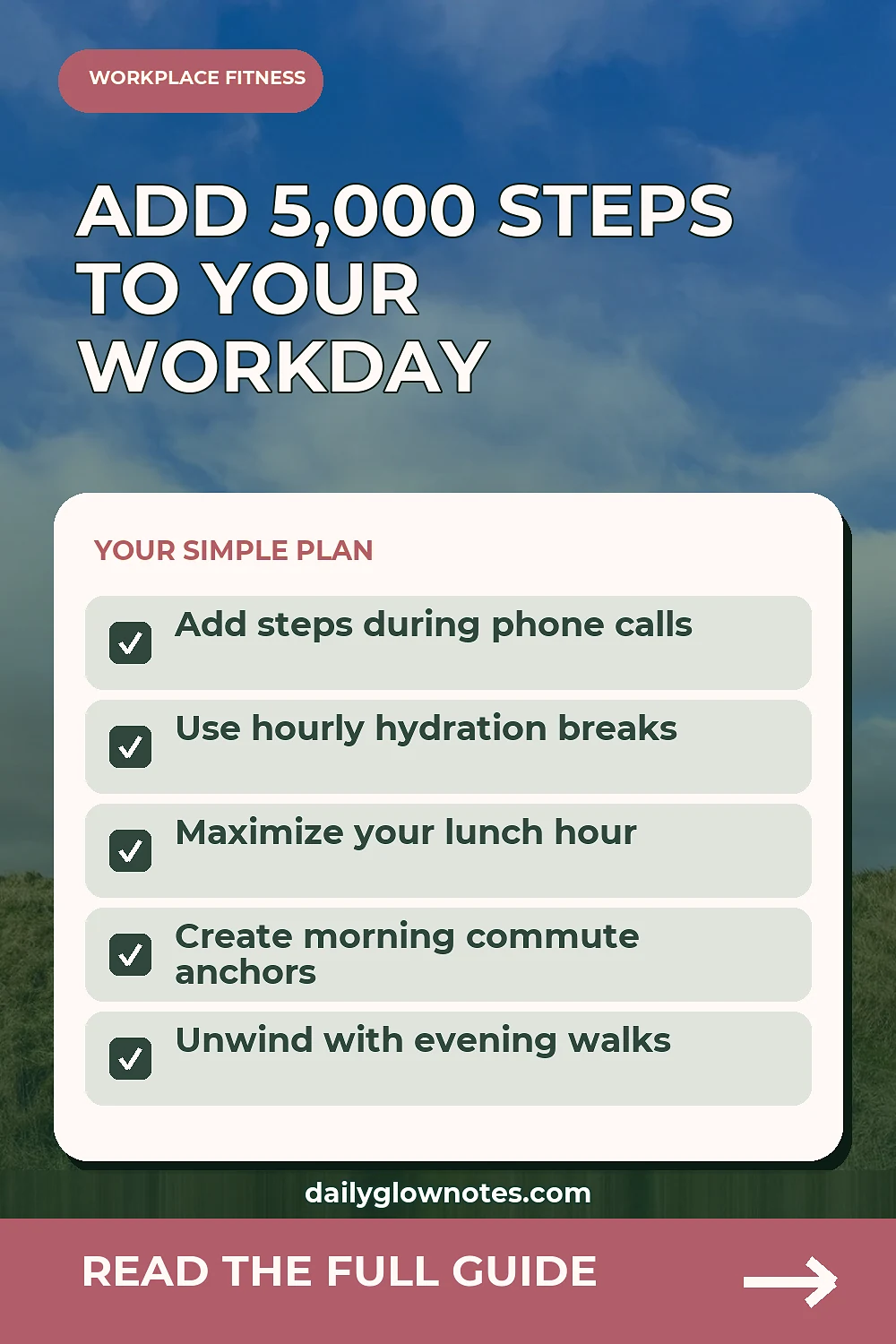
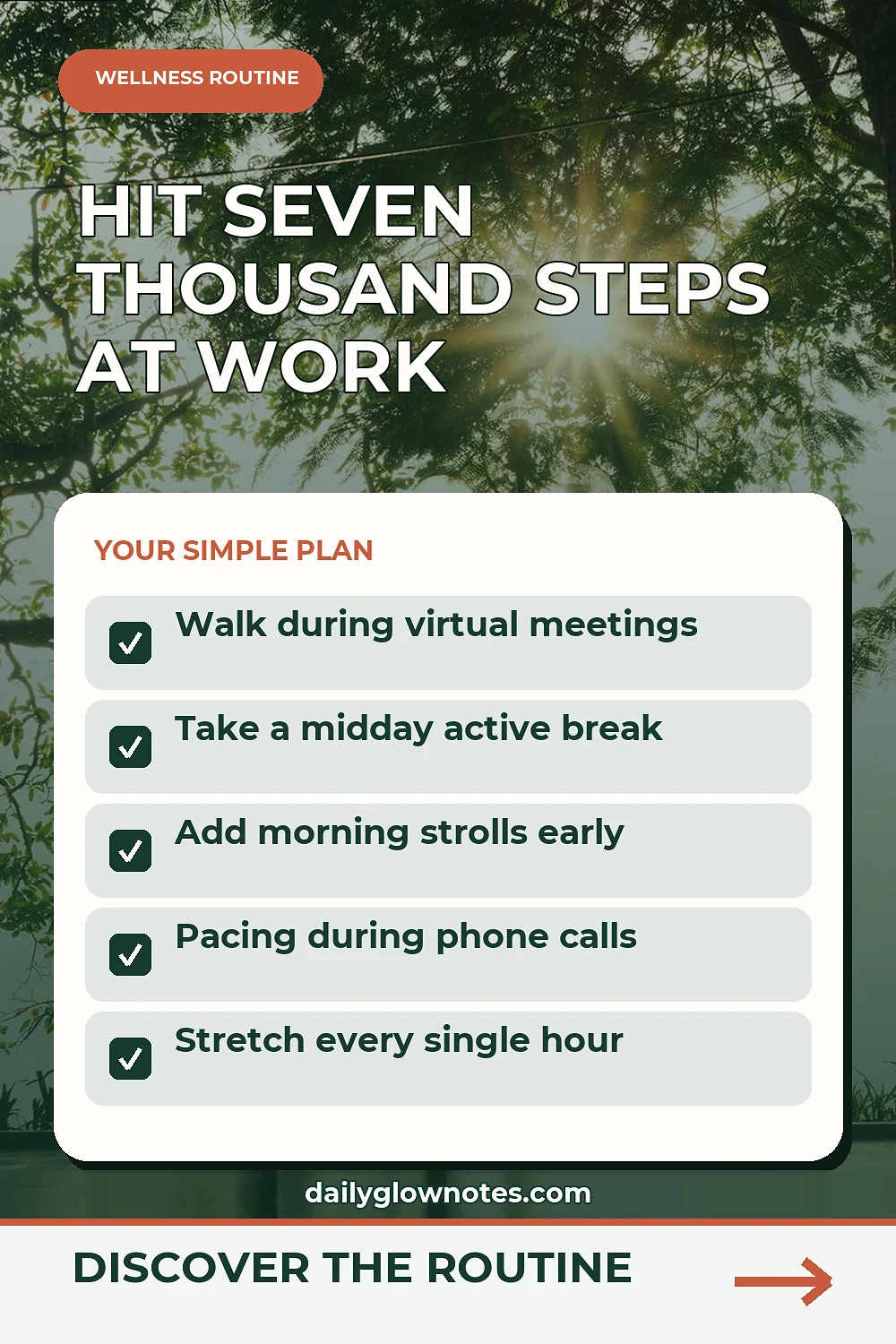
Your workday offers natural transition points that are ideal for adding short bouts of walking. Begin your morning with a ten-minute neighborhood stroll before you open your laptop, treating it as your virtual commute. This morning walk signals to your brain that the workday is beginning while boosting your early daily step count and exposing your eyes to natural morning light, which supports healthy circadian rhythms. When lunchtime arrives, step away from your desk completely. Eat a nourishing meal—perhaps drawing inspiration from ideas like The Sunday Batch Cooking Blueprint for Balanced Workweek Lunches to keep your nutrition balanced—and use the remaining break time for a brisk fifteen-minute walk outdoors or through your indoor hallway spaces. This midday reset clears your mind, aids digestion, and prepares you mentally for the afternoon tasks ahead.