
Your morning begins before you even step away from the bed. A quick tap on the screen opens an avalanche of unread messages, flagged items, and urgent requests waiting in your digital workspace. Without realizing it, you have fallen into the inbox overload habit of treating every incoming notification with the exact same level of urgency. When a newsletter, a casual internal question, and a critical project update all trigger identical spikes in your heart rate, your nervous system remains in a constant state of low-grade alert. This flattening of priorities makes daily stress feel louder, sharper, and far more exhausting than it actually needs to be.
Why Every Notification Sounds Like an Emergency
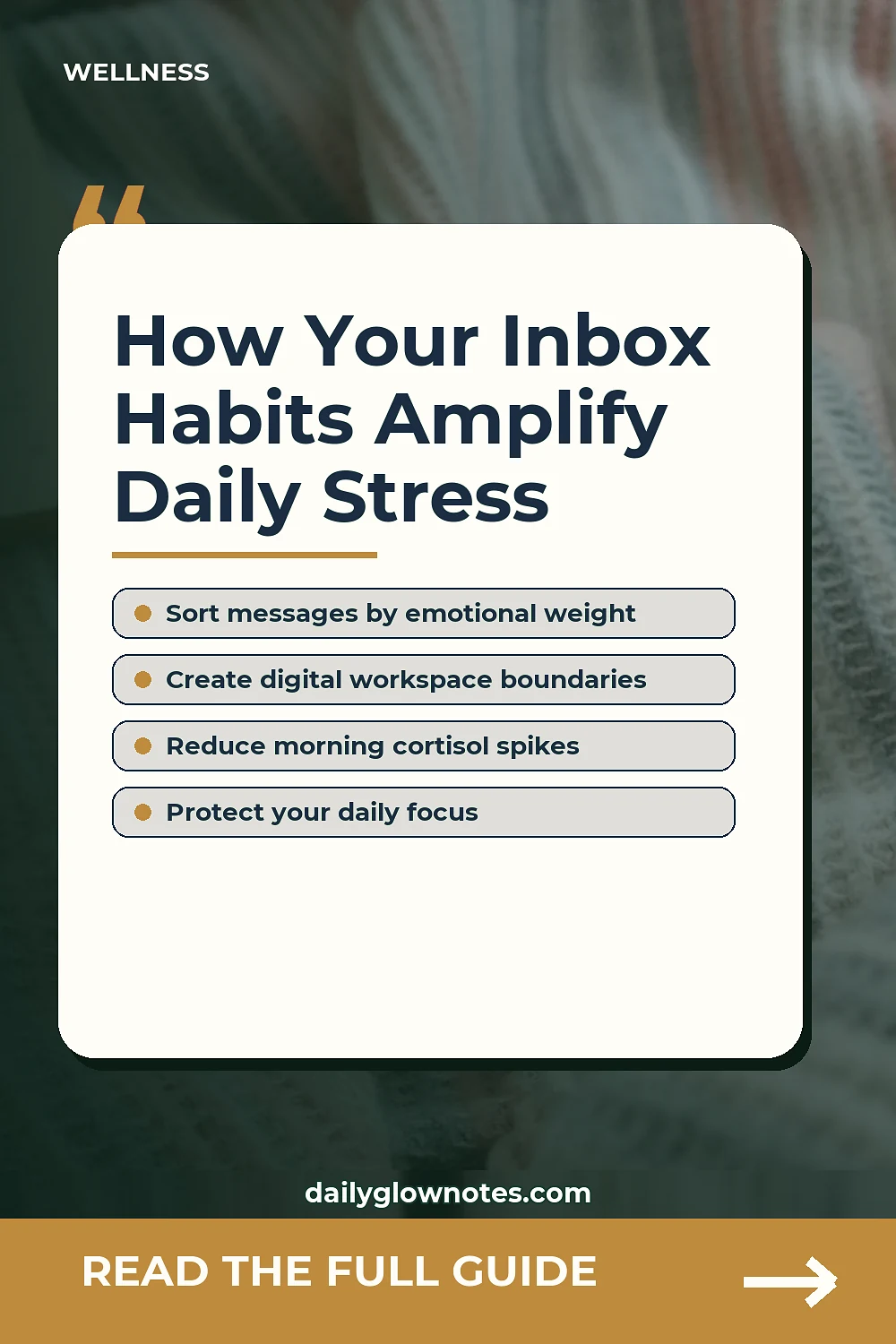
Sorting your communications by raw volume rather than emotional weight or operational impact creates a persistent sense of urgency. Your brain struggles to differentiate between a crisis and a routine check-in when everything arrives in the same chaotic stream. Recognizing this pattern is the first step toward reclaiming your calm and setting healthier daily boundaries.
The Cost of Processing Messages by Arrival Time
Chronological sorting feels efficient on the surface, but it forces your attention to bounce erratically across unrelated topics. One minute you are reviewing a budget discrepancy, and the next you are responding to a scheduling poll or reading an industry newsletter. This cognitive switching drains your mental energy long before you tackle your actual core work. When your primary interface with the world is an overflowing inbox, your baseline stress level stays elevated.
Over time, this continuous exposure to fragmented tasks erodes your focus and patience. By the time evening arrives, you feel drained not necessarily from the work itself, but from the relentless processing of digital noise. Developing a more mindful approach to your communications can help break this cycle and preserve your daily well-being.
Sorting by Emotional Weight Before Urgency
Instead of clearing messages purely from top to bottom, try shifting your perspective toward emotional weight. Before you open a batch of messages, pause to categorize them based on the type of cognitive demand they require. Low-stakes informational updates do not deserve the same immediate physiological response as complex strategic decisions. By consciously downshifting your internal reaction to non-urgent correspondence, you prevent your stress response from hijacking your morning.
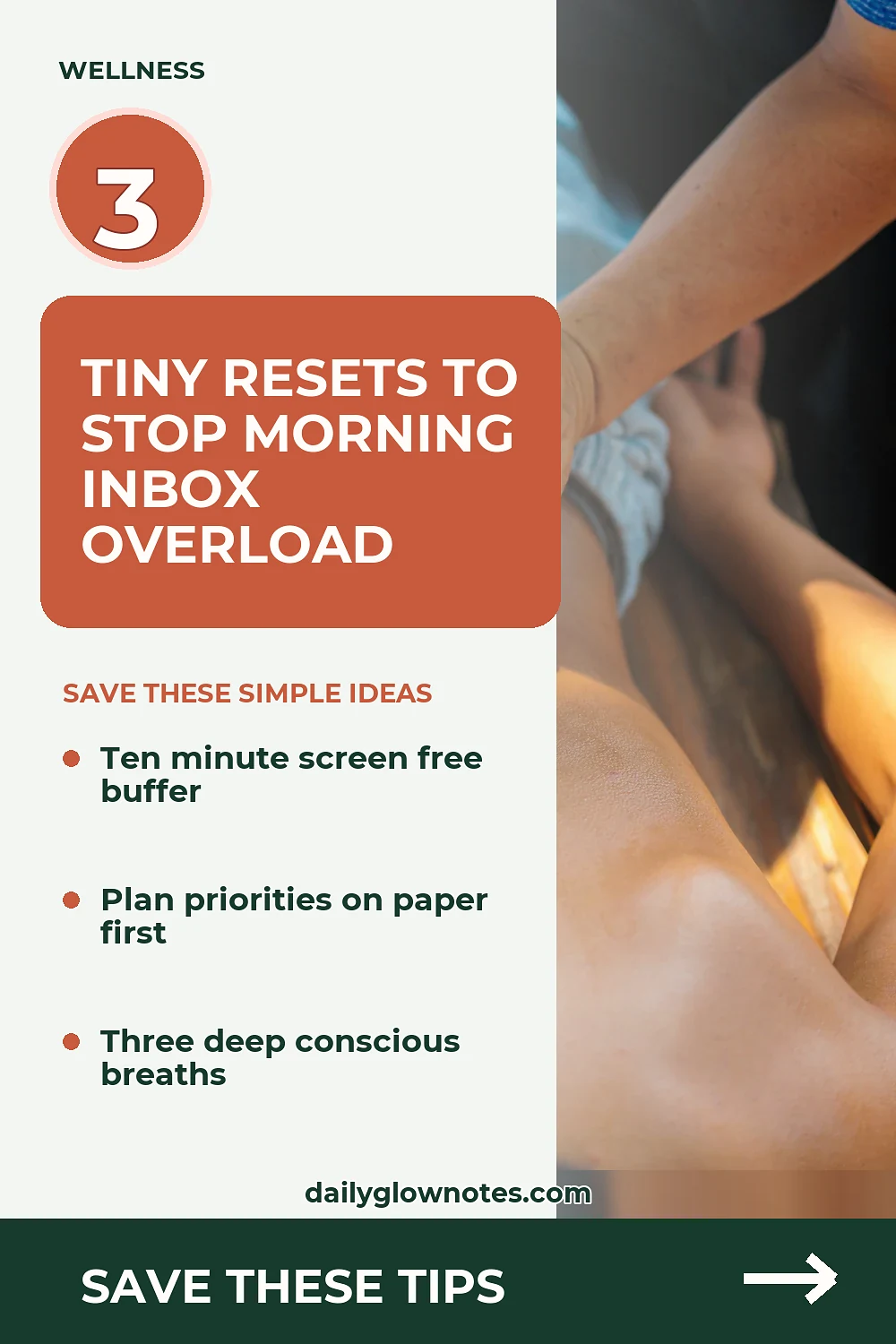
Creating space between opening an email and reacting to it allows your nervous system to stay regulated. You might find it helpful to pair your initial digital review with calming routines that ground you in the physical room rather than the virtual screen. For instance, exploring structured practices like 3 Tiny Resets for Morning Inbox Overload Before It Takes Over can give you practical tools to intercept the rush of cortisol before it sets the tone for your entire day.