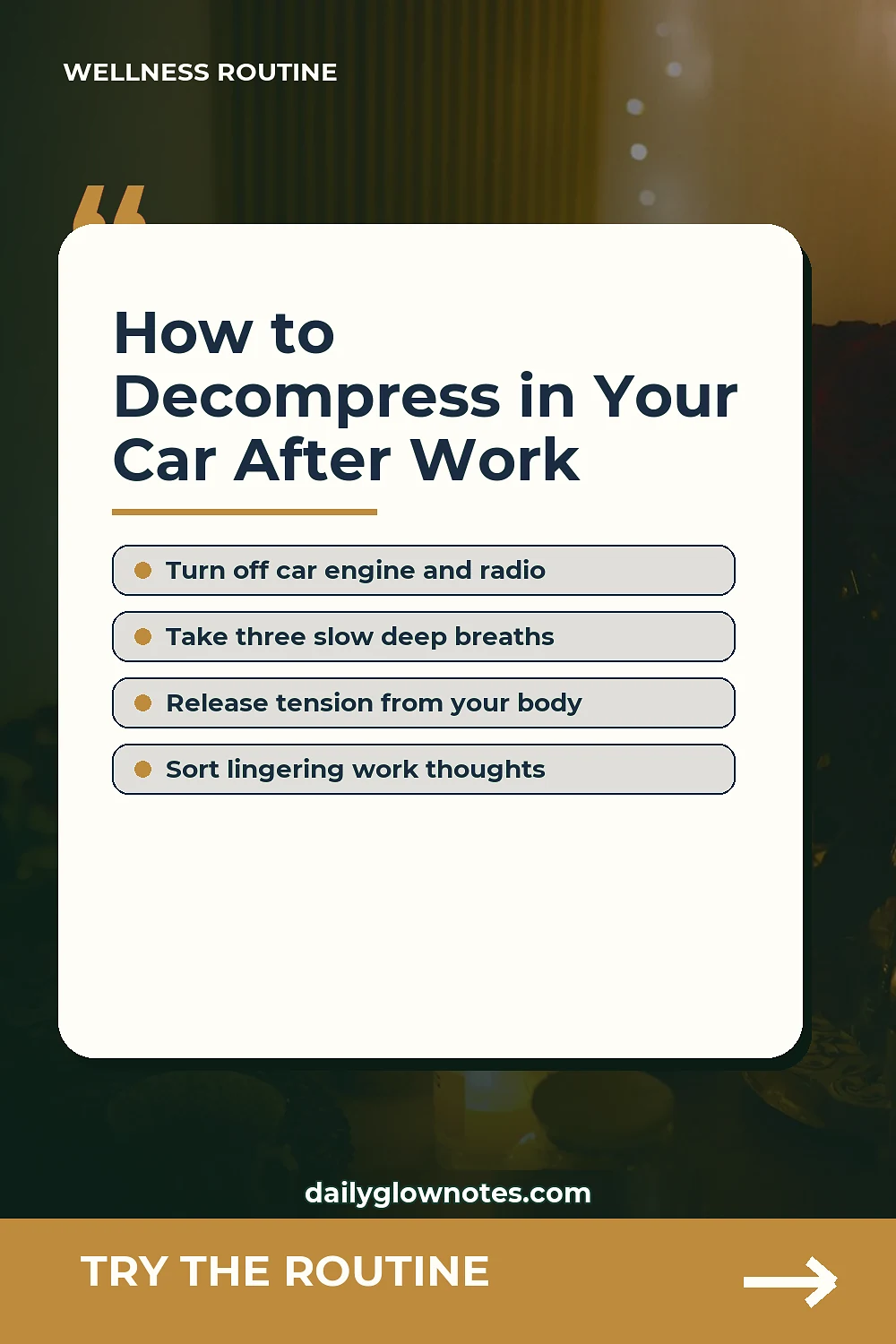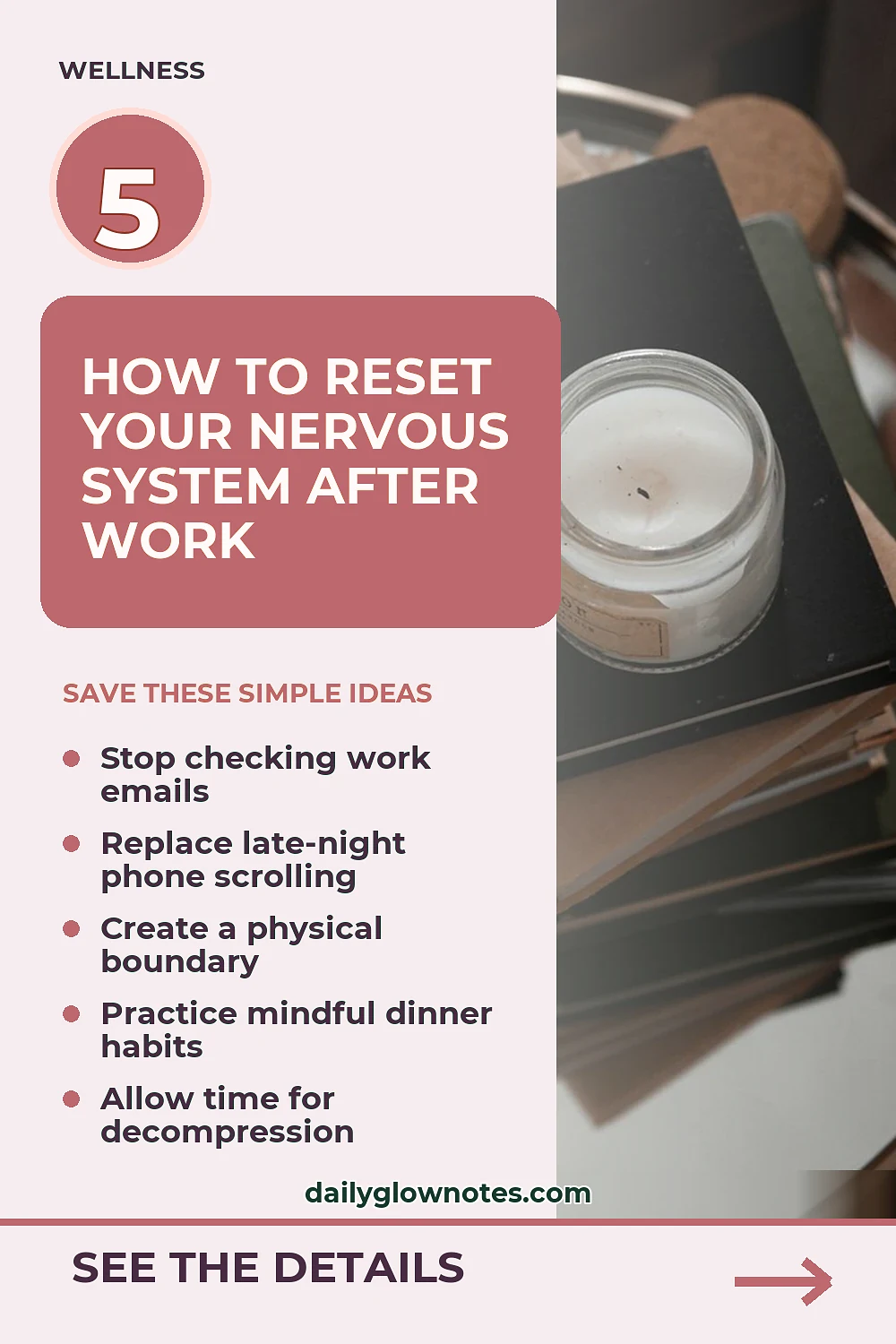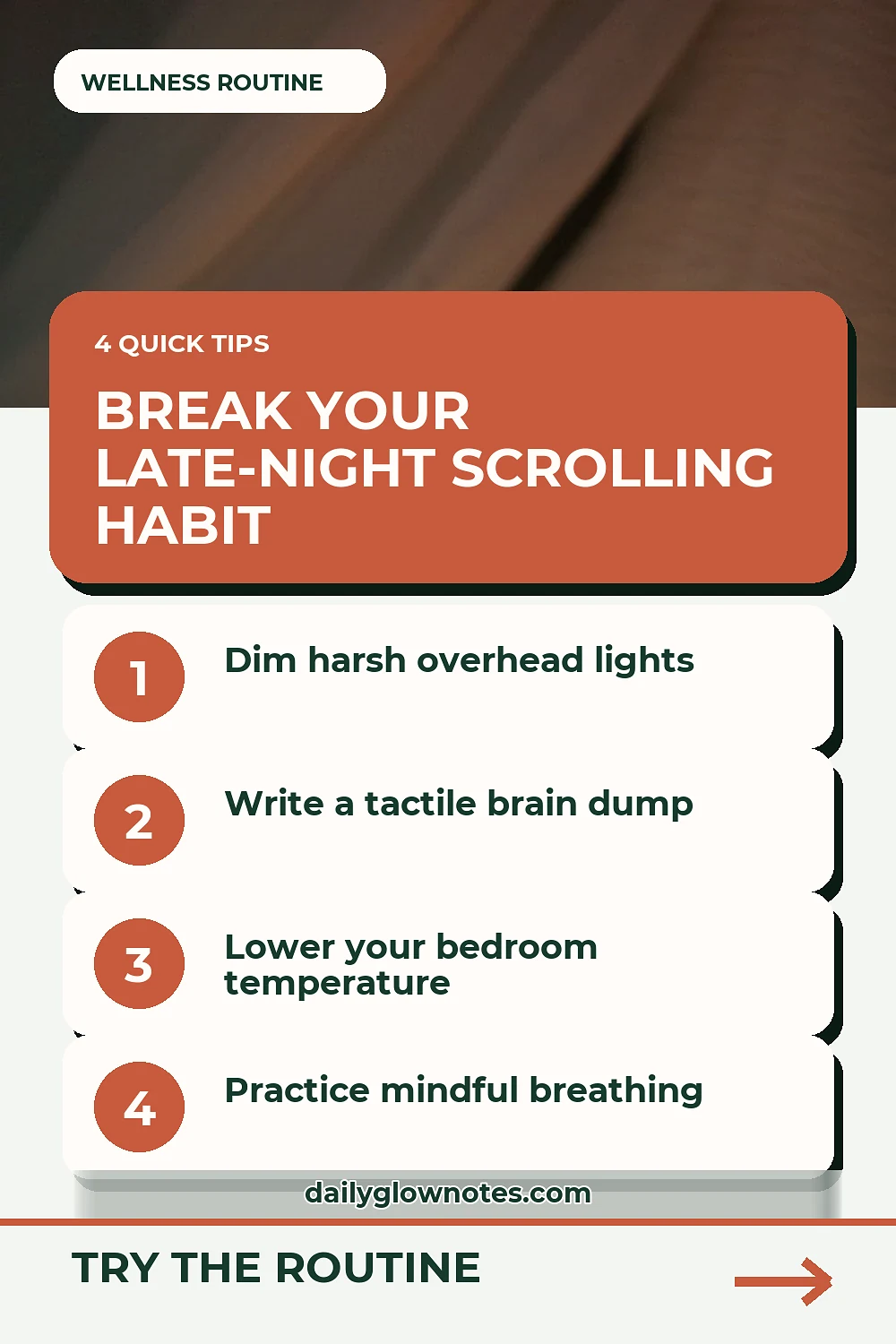

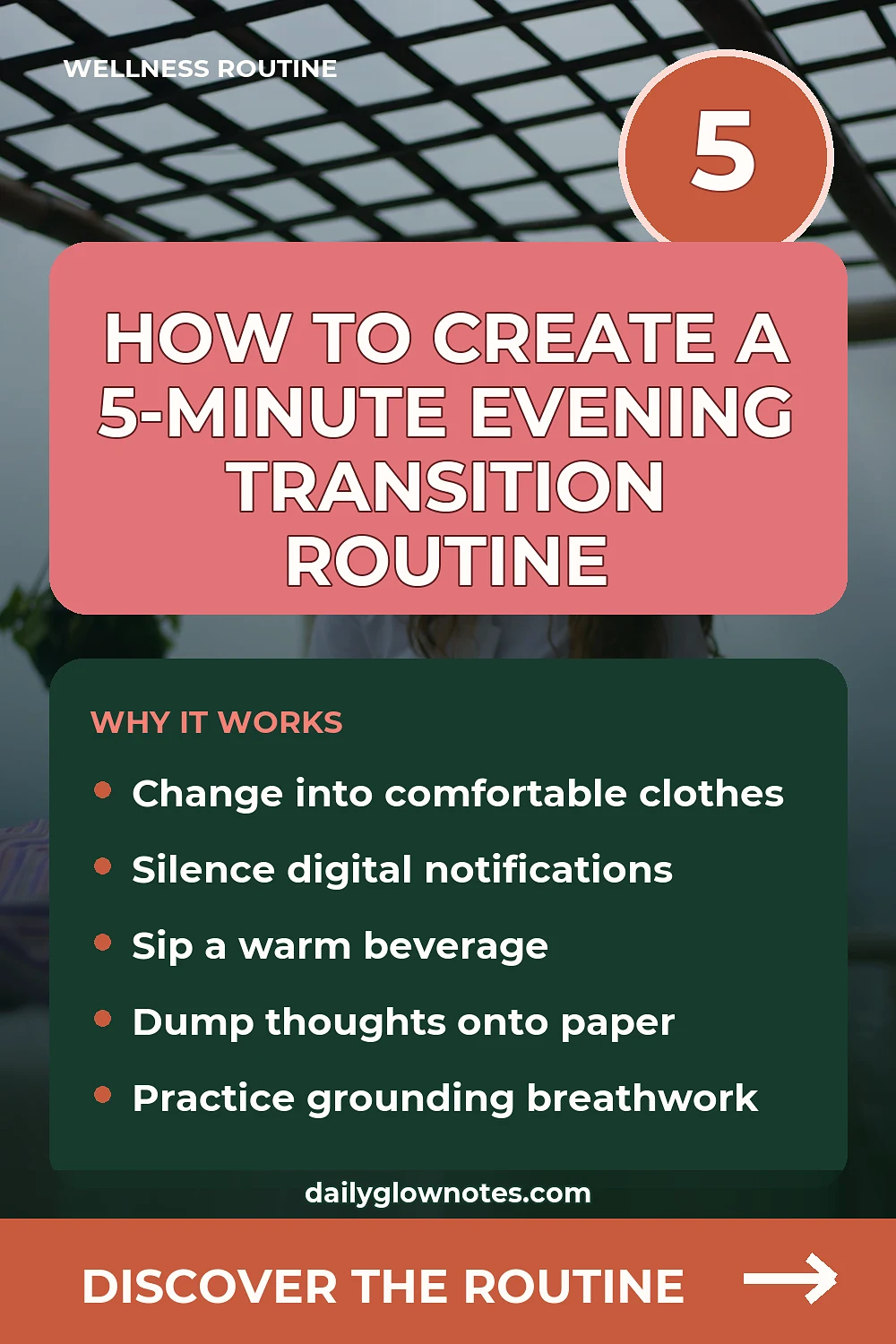
The moment you close your laptop or walk through your front door, your mind is often still racing through unread emails, lingering deadlines, and tomorrow's to-do list. That transition from productivity mode to personal time is rarely seamless. Without a deliberate pause, the mental fatigue of the workday bleeds straight into your evening, leaving you drained before you even have a chance to relax. Creating a simple, repeatable ritual can change how you experience your downtime. You do not need a complete lifestyle overhaul to find your center. Sometimes, all it takes is a intentional fifteen-minute window to signal to your nervous system that the workday is officially over.
Developing this transition habit requires patience and consistency. As you experiment with different ways to unwind, pay attention to which sensory experiences and physical adjustments bring you the deepest sense of relief. Your evening routine should evolve naturally to fit your unique lifestyle, personal preferences, and changing daily demands.
Step 1: Change Your Physical Environment and Clothing
The fastest way to break the psychological momentum of the workday is through sensory cues. Your brain relies heavily on environmental triggers to determine how to feel and react. When you stay in your work clothes or sit at your desk space, your body remains on high alert. Start your wind-down by stepping away from your workspace and shedding the layers of your professional day. Swap structured clothes for something soft and comfortable. This physical shift acts as an immediate boundary between your professional obligations and your personal sanctuary. As you change, mentally release the responsibilities of the day, leaving them behind in the clothes you take off.
Step 2: Clear the Digital Clutter and Silence Notifications
Checking your phone just one more time often shatters any hope of a peaceful evening. The ping of a notification instantly pulls your focus back to tasks, demands, and external inputs. During this fifteen-minute reset, put your phone in another room or turn it completely to silent. If you dealt with morning inbox overwhelm earlier in the day, you know how quickly digital noise can drain your mental battery. Let go of the urge to stay connected. Protecting your attention during this brief transition allows your thoughts to settle without interruption, giving your mind the quiet space it truly requires to decompress.
Step 3: Engage Your Senses with a Warm Beverage Ritual
Physical warmth can be profoundly grounding after a long day of mental exertion. Boiling water, steeping a favorite herbal tea, and wrapping your hands around a warm mug forces you to slow down and focus on the present moment. Notice the steam rising, the aroma filling the room, and the gradual warmth spreading through your fingers. This sensory engagement pulls you out of your head and into your physical body. It serves as a comforting anchor, offering a gentle pause that feels both nurturing and intentional. Many people find that incorporating supportive everyday habits, such as enjoying a soothing cup of tea or taking a moment for mindful reflection, helps ease the transition into a calm evening.