
The Smart Errands Walking Strategy: Turn Daily To-Dos Into Step Goals becomes easier to understand when the main ideas are organized into practical, realistic steps. This guide explains the core considerations and shows how to apply them thoughtfully in everyday life without disrupting your routine.
Finding time for a workout when your calendar is completely full feels nearly impossible. Between managing household responsibilities, running weekly errands, and keeping up with professional duties, dedicating an extra hour to the gym often slips to the bottom of the priority list. Juggling these daily tasks creates a common dilemma for busy women who want to stay active without sacrificing precious downtime. Fortunately, implementing an active errands routine to fit daily steps into a busy schedule offers a seamless solution by transforming unavoidable chores into structured movement opportunities.
Instead of viewing grocery runs, post office visits, and pharmacy stops as chores that drain your energy, you can reframe them as built-in movement sessions. Integrating low-impact physical activity into your regular schedule requires no extra gym membership or complicated workout gear. By rethinking how you approach your weekly to-do list, you can increase your daily step count naturally while getting your errands accomplished efficiently.
Rethinking Your Weekly Errand Route
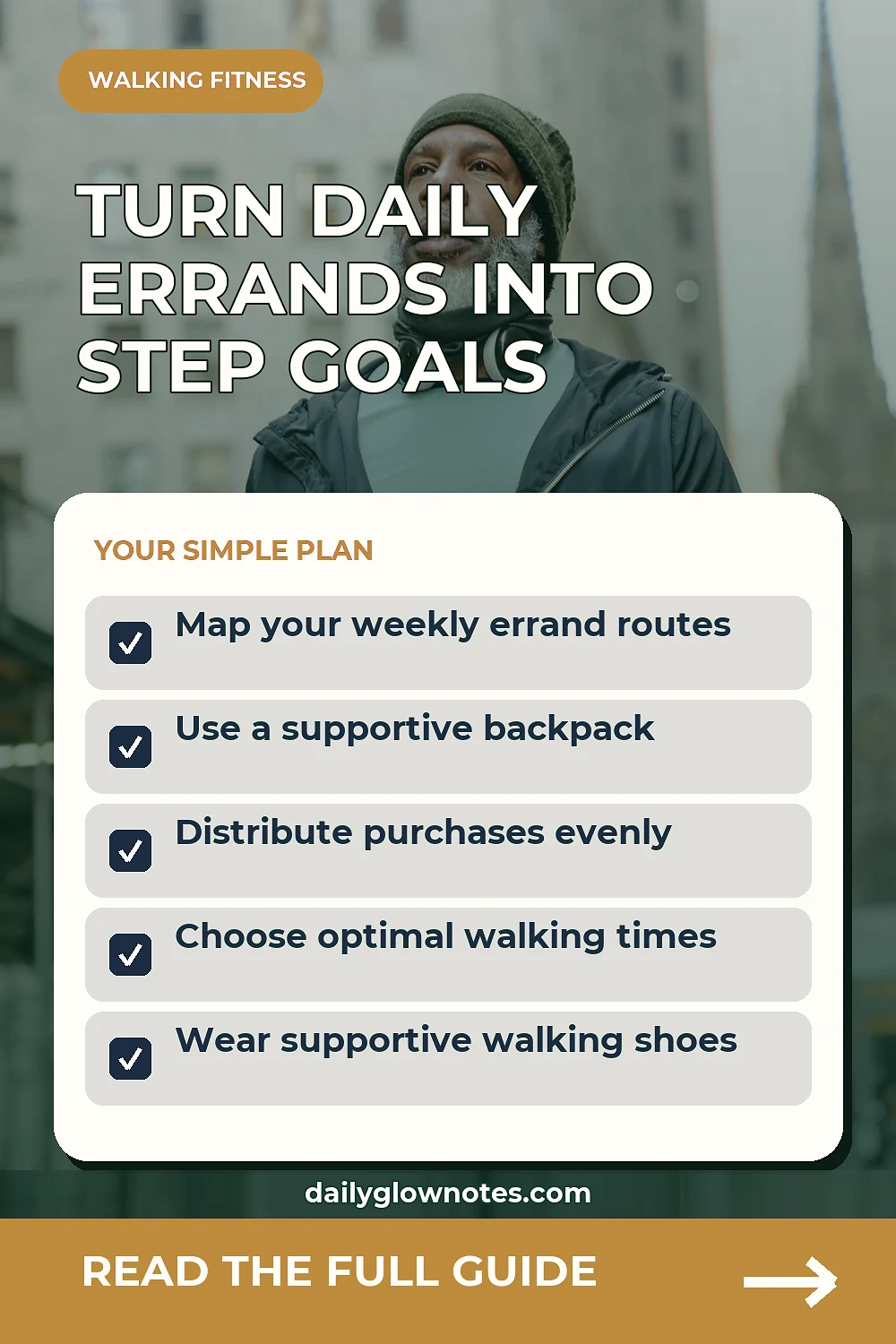
The foundation of a successful walking errands strategy starts with mapping out your weekly tasks geographically. Many people automatically jump in the car for every single stop, even when destinations sit remarkably close to one another or within walking distance of home. Take a close look at your usual Tuesday or Saturday errand list and identify opportunities to cluster destinations together.
Clustering stops allows you to park once and complete multiple tasks on foot. For example, if your local post office, bakery, and dry cleaner are located within a few blocks of each other, park your car at a central spot rather than driving between each location. This intentional shift instantly boosts your step count and turns a fragmented series of short drives into a cohesive, continuous walking block.
Smart Packing and Carrying Techniques
Walking while carrying heavy items requires a bit of practical strategy to ensure your posture remains comfortable and your joints stay protected. Ditch the single-shoulder tote bag that forces your body to lean heavily to one side, as asymmetrical loads can cause unnecessary strain on your neck and shoulders over time.
Investing in a comfortable, supportive backpack or durable, balanced reusable grocery bags with wide straps makes a massive difference during walking trips. Distribute your purchases evenly inside your bags to maintain a balanced center of gravity. As you walk, keep your posture upright, engage your core gently, and let your arms swing naturally. These small adjustments transform a routine grocery run into a functional strength and endurance builder that supports your overall physical wellness.