
A Gentle Bedtime Hair Routine to Prevent Friction and Tangles Overnight becomes easier to understand when the main ideas are organized into practical, realistic steps. This guide explains the core considerations and shows how to apply them thoughtfully in everyday life.
If you wake up every morning fighting a battle against stubborn knots and mysterious tangles, your nighttime routine might be working against your hair goals. For women with fine, fragile, or thinning hair, the hours spent sleeping can introduce surprising amounts of friction. Tossing and turning on standard cotton pillowcases tugs at delicate strands, leading to morning breakage, frizz, and unnecessary shedding. Fortunately, establishing a mindful evening hair care ritual can protect your hair integrity while you rest, setting the stage for smoother, more resilient strands over time.
Understanding Nighttime Friction and Hair Stress
Every time you shift positions in your sleep, your hair rubs against your bedding. Standard cotton and linen fabrics absorb moisture from your strands and create microscopic friction that lifts the hair cuticle. Over time, this constant abrasion weakens fragile or thinning hair, leading to split ends and mid-shaft breakage. Recognizing how your sleep environment impacts your hair is the first step toward preserving its natural strength and maintaining a healthy appearance. Furthermore, environmental factors in your bedroom, such as low humidity from indoor heating or air conditioning, can strip ambient moisture from your hair while you sleep, making hydration retention even more critical for preventing brittle textures.
Preparing Your Strands Before Sleep
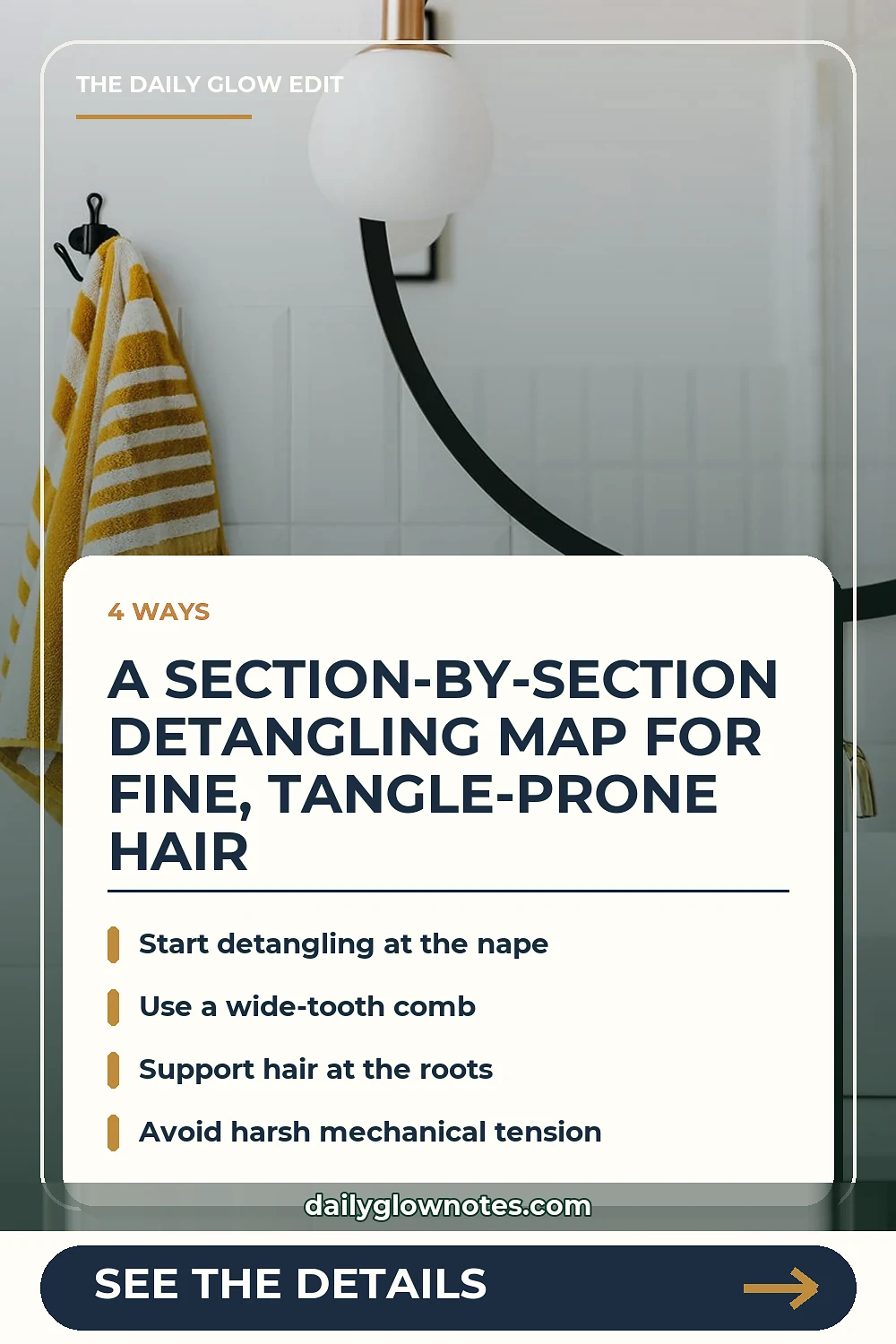
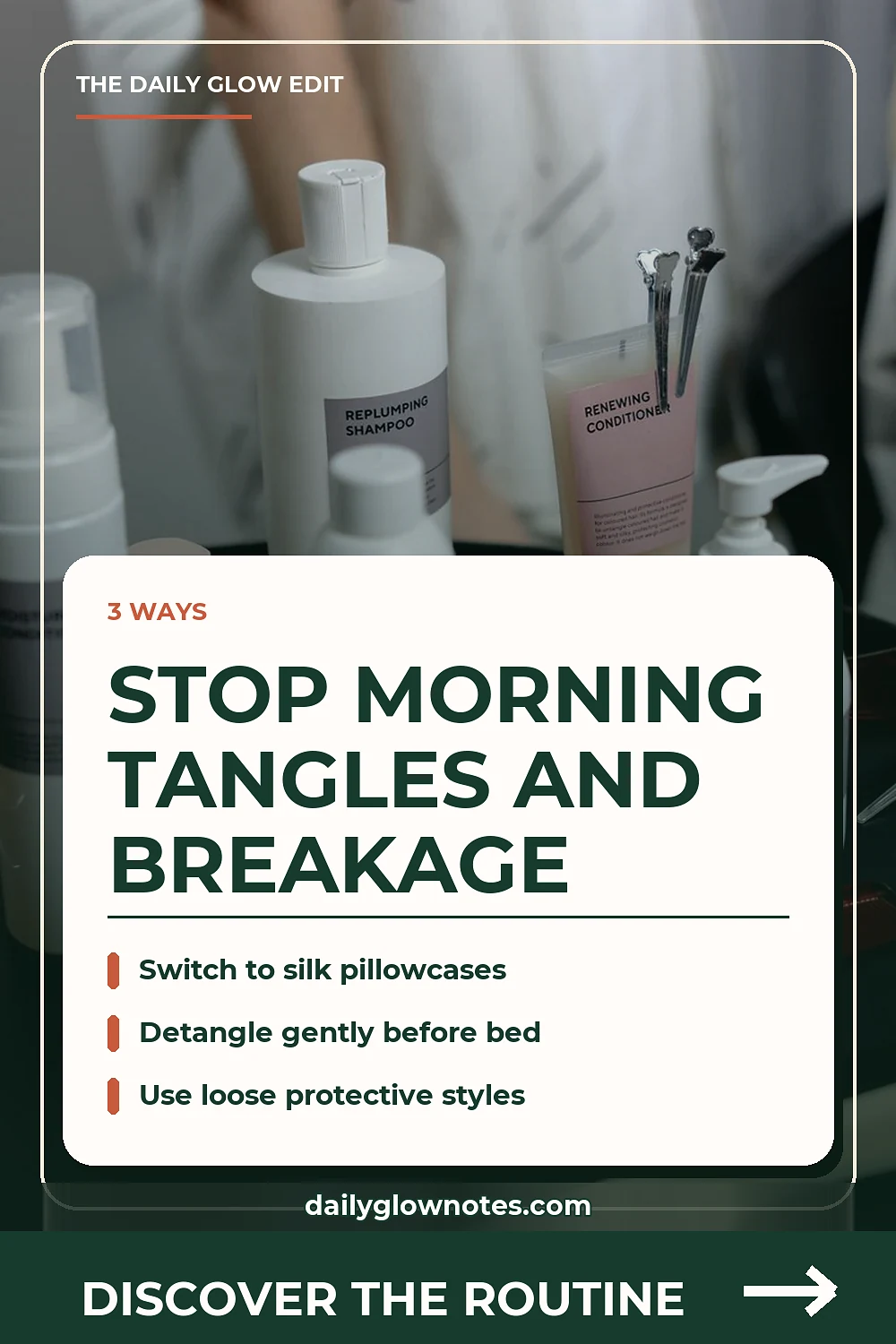
The foundation of a great morning starts the night before, but preparation should always remain gentle. Avoid going to bed with damp hair, as wet strands are in their most elastic and vulnerable state, making them prone to snapping under minimal pressure. Instead, ensure your hair is completely dry. Gently detangle your strands using a wide-tooth comb or a flexible paddle brush, starting from the ends and slowly working your way up to the roots to prevent pulling on the scalp. Taking an extra two minutes to massage your scalp with clean fingertips before bed can also help stimulate local circulation and relieve the tension accumulated throughout a stressful day.
Protective Styling Options for the Night
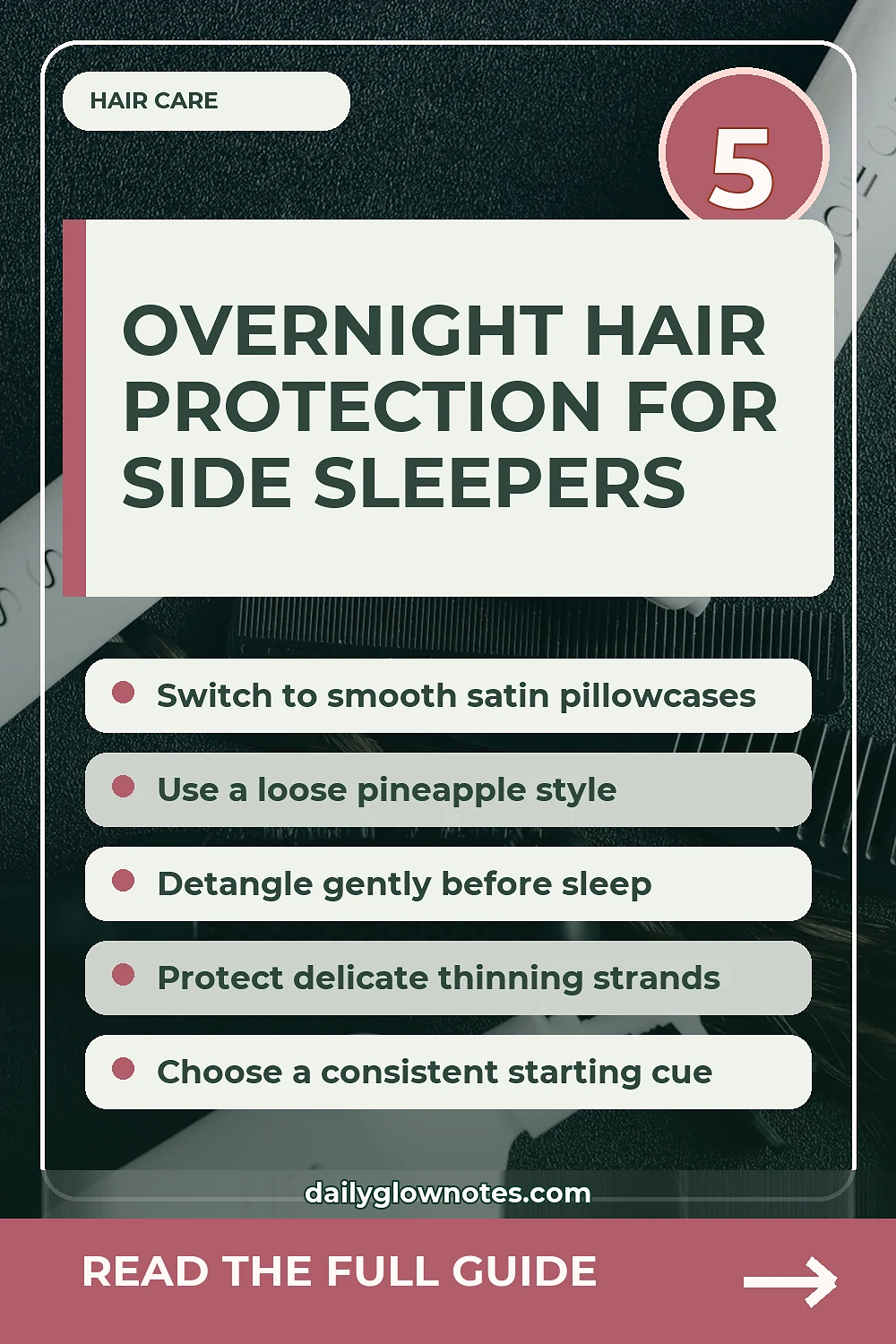
Once your hair is dry and detangled, securing it in a loose, low-manipulation style helps minimize movement while you sleep. A very loose braid or a gentle topknot secured with a soft scrunchie keeps your hair contained without creating tension at the roots. Avoid tight elastics or metal clasps, which can pinch and snap individual hairs. If you travel frequently or maintain a minimalist packing philosophy, you might appreciate our guide on 4 Clues Your Carry-on Hair Routine Is Missing One Key Step to ensure your strands stay protected wherever you rest your head. Experimenting with different loose configurations can help you discover which specific method preserves your natural wave pattern best without causing discomfort.