
Waking up damp, overheated, or feeling generally unsettled is a jarring way to start the day. For many women navigating the hormonal fluctuations of midlife, night sweats are an unwelcome, frequent visitor that can disrupt the natural rhythm of sleep and wakefulness. Instead of rushing through the morning feeling frazzled by the remnants of a restless night, you can implement a gentle, restorative morning reset routine designed specifically for night sweat comfort. This approach is not about trying to 'fix' a biological process overnight, but rather about creating a practical, soothing environment that helps you reclaim your morning calm. By focusing on your immediate surroundings—your bedding, your personal hygiene, and your mental transition into the day—you can transform a moment of frustration into a consistent ritual of self-care.
Establishing a Fresh Start for Your Bedding
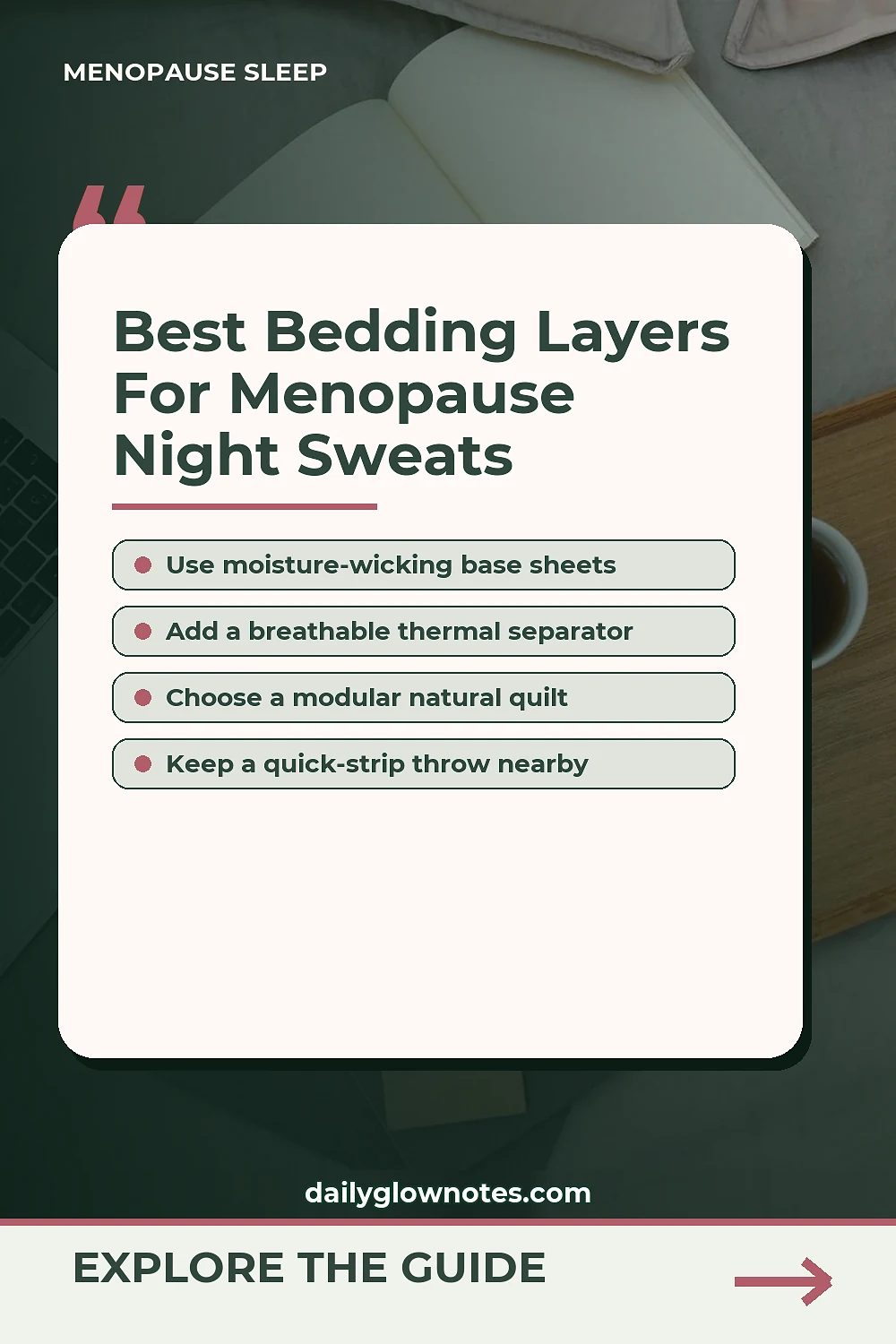
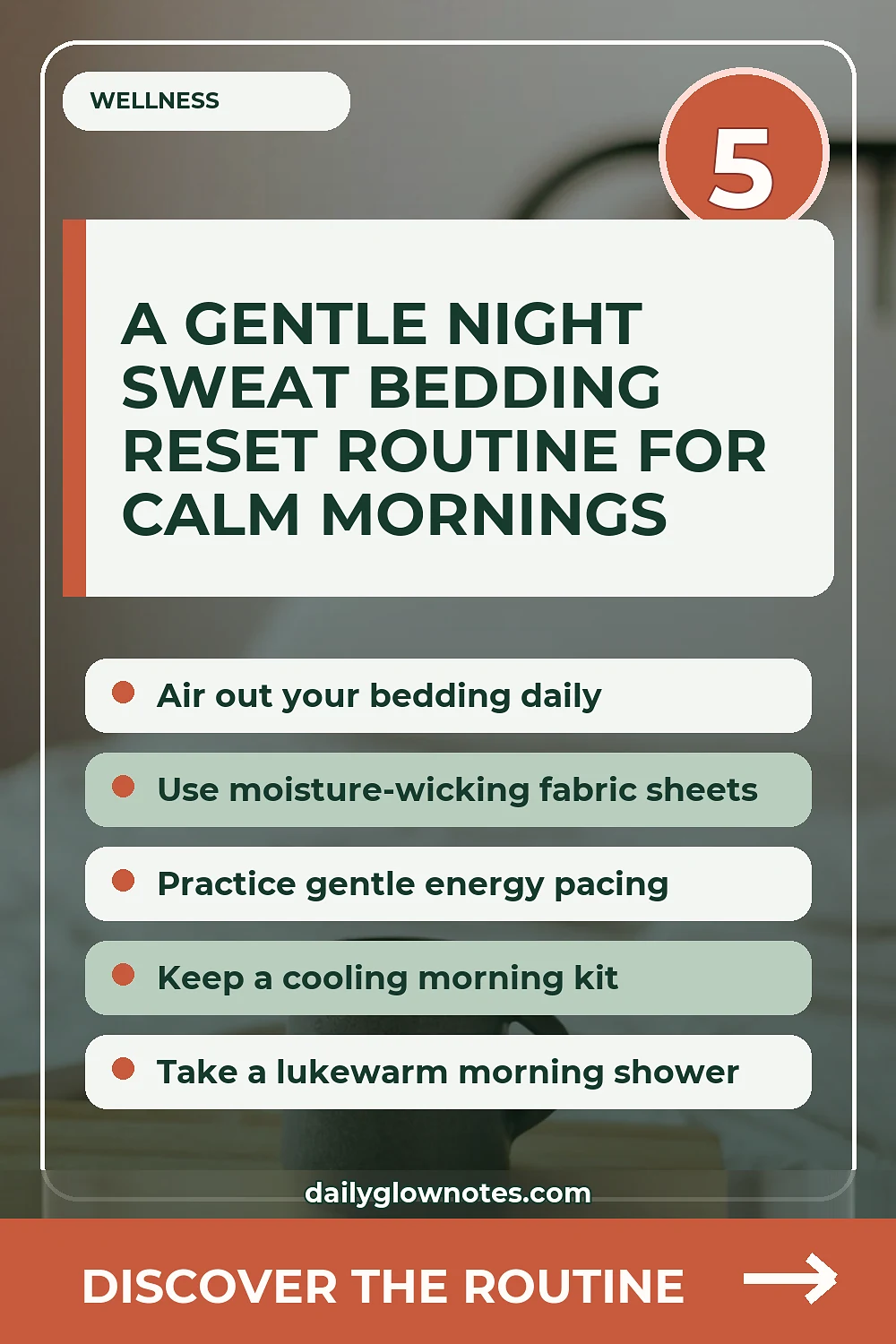
The goal of an effective night sweat bedding reset routine is to minimize the time you spend dwelling on discomfort and maximize the speed at which your sleep sanctuary returns to a state of peace. When you wake up feeling damp, the first instinct might be to strip the entire bed in a panic, but this often leads to rushing and unnecessary stress. Instead, try a systematic approach that feels manageable rather than overwhelming. Start by pulling back the covers fully. If you use a top sheet, consider if it is necessary for your current comfort levels; sometimes, removing the top sheet entirely or switching to a lighter, moisture-wicking duvet cover or a simple cotton blanket can make a significant difference in how heat is trapped.
Allowing your bedding to air out is perhaps the most critical step in this morning reset. Open the bedroom window wide, even if just for ten or fifteen minutes. Let the fresh air circulate through the fibers of your sheets and mattress protector. This simple act of ventilation helps moisture evaporate and refreshes the space. While the air does its work, take a moment for yourself—perhaps a glass of cool water or a few minutes of quiet stretching in another room. By the time you return to make the bed, the linens will feel significantly drier and more inviting, helping you mentally reset before the day truly begins. Consider investing in a secondary set of pillowcases that you can swap out quickly if needed, as the pillow often bears the brunt of overnight moisture.
Streamlining Your Sleep Sanctuary for Efficiency
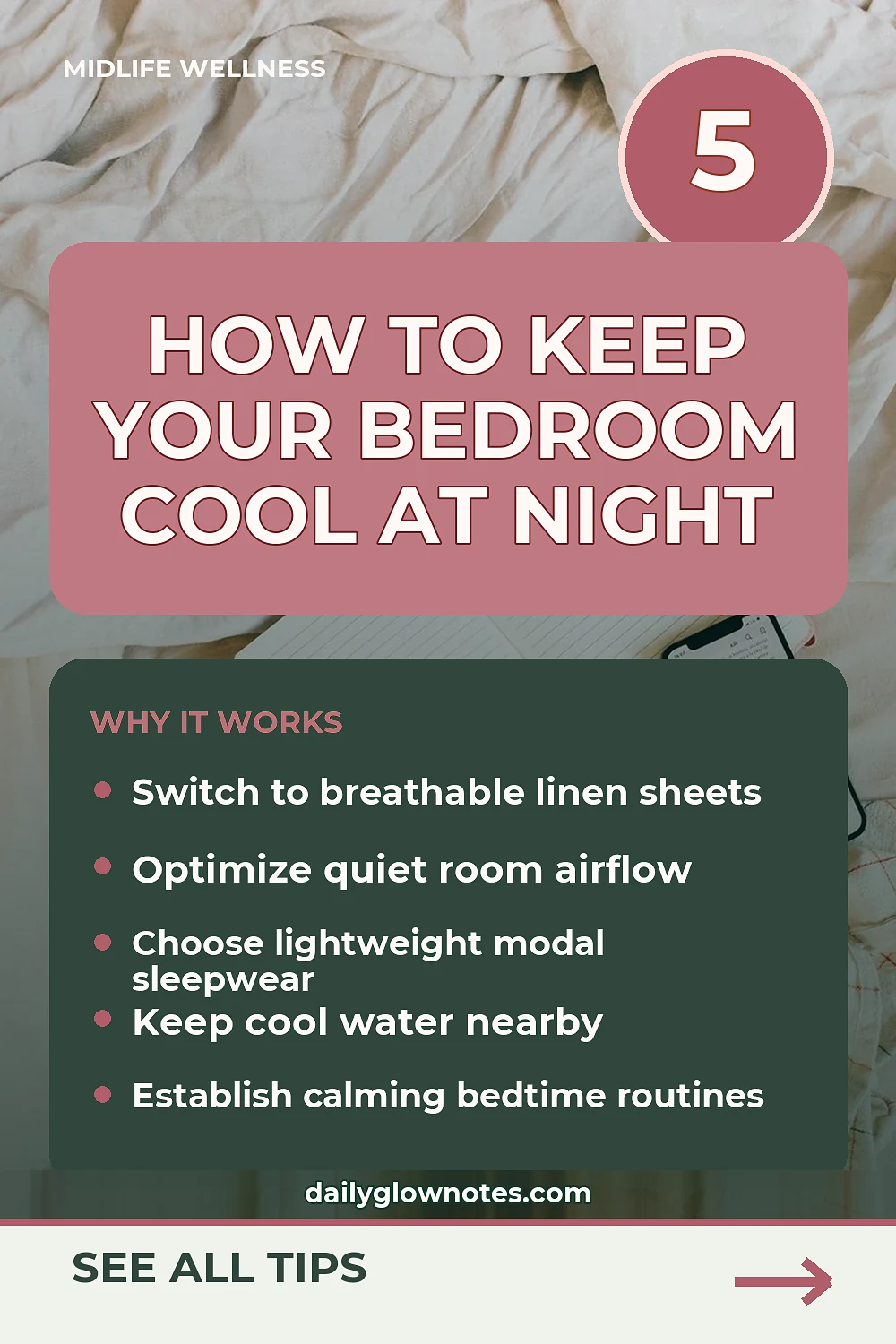
Sometimes, the secret to morning comfort lies in how you prepare the room the night before. Consider keeping a small, aesthetic basket nearby with a few essentials: a clean, dry change of sleepwear, a small microfiber towel, and a light mist of linen spray. Having these items ready means you are not searching through drawers when you are already feeling out of sorts. If you find yourself frequently changing sheets, opt for bamboo, eucalyptus, or high-quality percale cotton bedding, which tend to be more breathable than synthetic blends or heavy weaves. These fabrics are engineered to pull moisture away from the skin, which can help you stay drier throughout the night.
Simplifying your bedding layers can also reduce the laundry burden. If you are struggling with temperature regulation, you might find comfort in exploring different fabric weights or even using two separate smaller blankets instead of one large, heavy comforter. This gives you more control; if you wake up warm, you can easily push one layer aside without disrupting the entire bed. This practical adjustment is a form of self-advocacy, ensuring that your home environment supports your needs rather than working against them. You might also find it helpful to look into strategies for tracking your wellbeing in midlife, as understanding the rhythm of your own body can help you anticipate days when you might need a little extra gentle care.