
Creating a Cooling Evening Wind-Down Routine for Better Midlife Comfort becomes easier to understand when the main ideas are organized into practical, realistic steps. This guide explains the core considerations and shows how to apply them thoughtfully in everyday life.
Anticipating another restless night can make the hours before bedtime feel genuinely stressful. When perimenopause brings sudden temperature shifts and physical tension, the transition from a busy day to a restorative sleep environment requires a thoughtful evening wind down routine for perimenopause and temperature comfort. Instead of hoping for the best, building a predictable, soothing ritual helps signal your nervous system that the day is truly done, easing both mind and body into a state of ease. By taking proactive steps to lower sensory input and manage your microclimate, you can significantly reduce the intensity and frequency of nighttime disruptions.
Preparing Your Environment Before Sunset
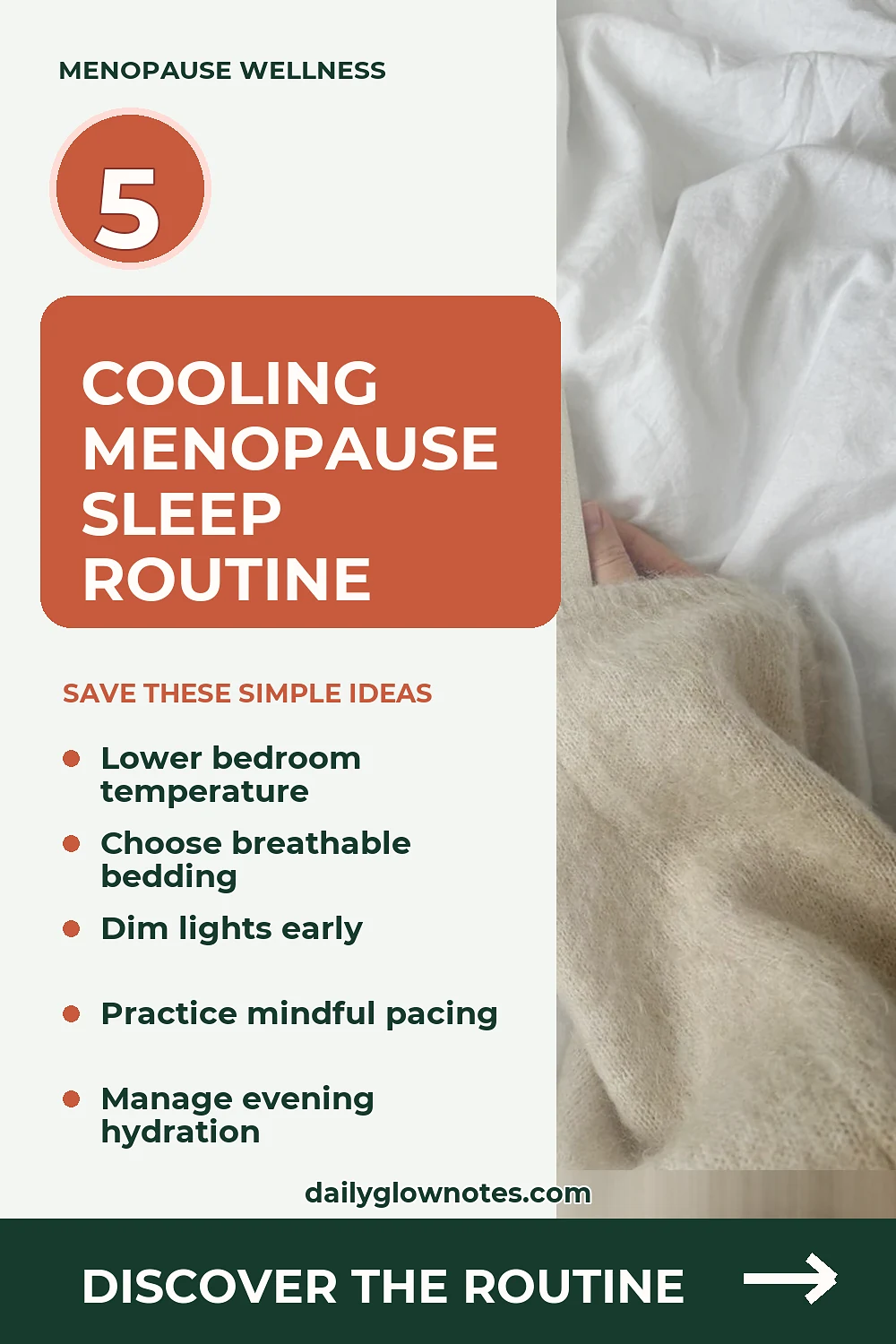
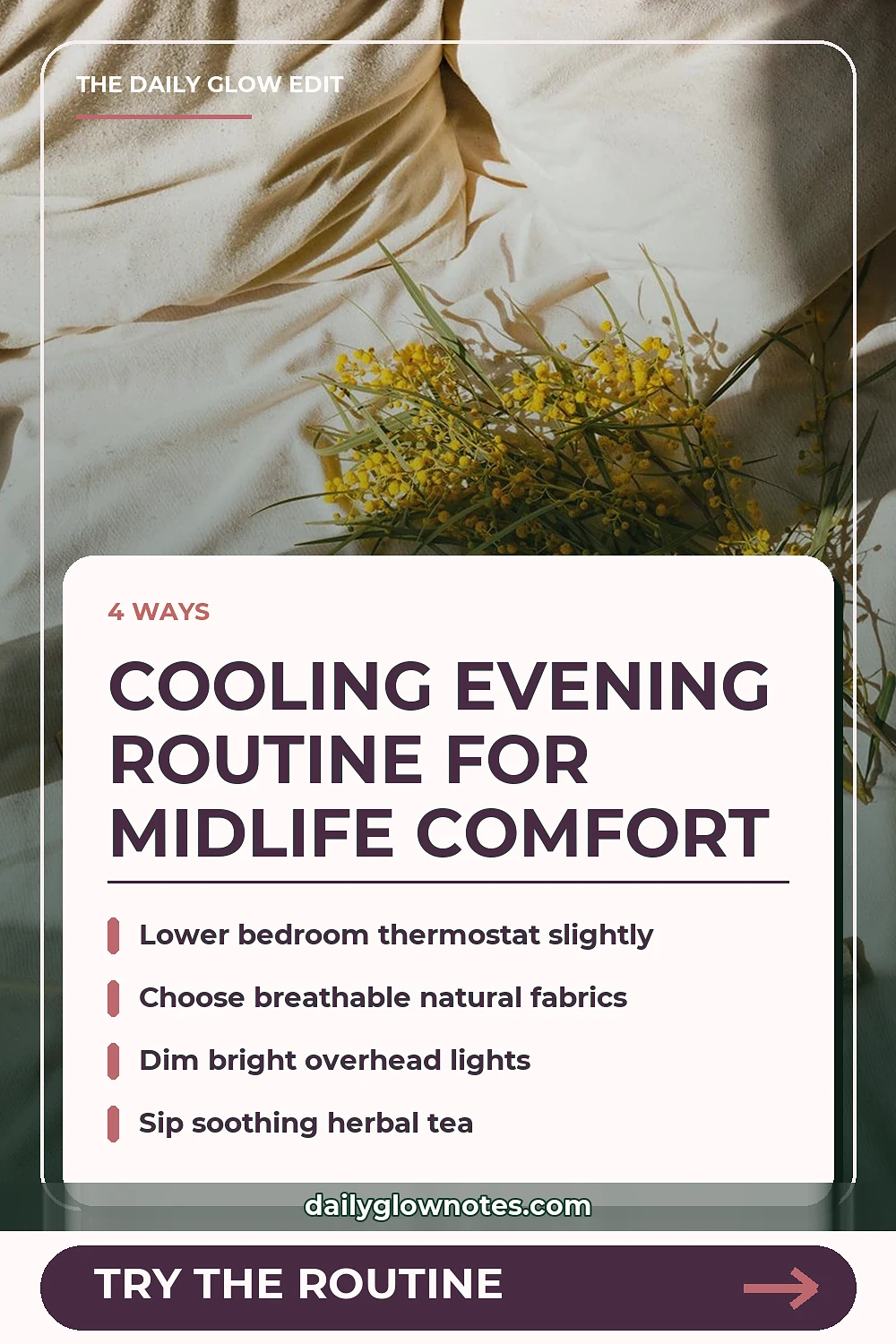
Long before your head hits the pillow, your bedroom space plays a quiet yet powerful role in how comfortably you rest. Midlife temperature sensitivity often means that standard indoor temperatures feel too warm by midnight. Begin your evening routine by lowering the thermostat slightly, drawing the curtains to block lingering daytime heat, and setting up airflow with a quiet bedside fan. Maintaining good ventilation helps circulate stagnant air and prevents heat from trapping around your sleeping area.
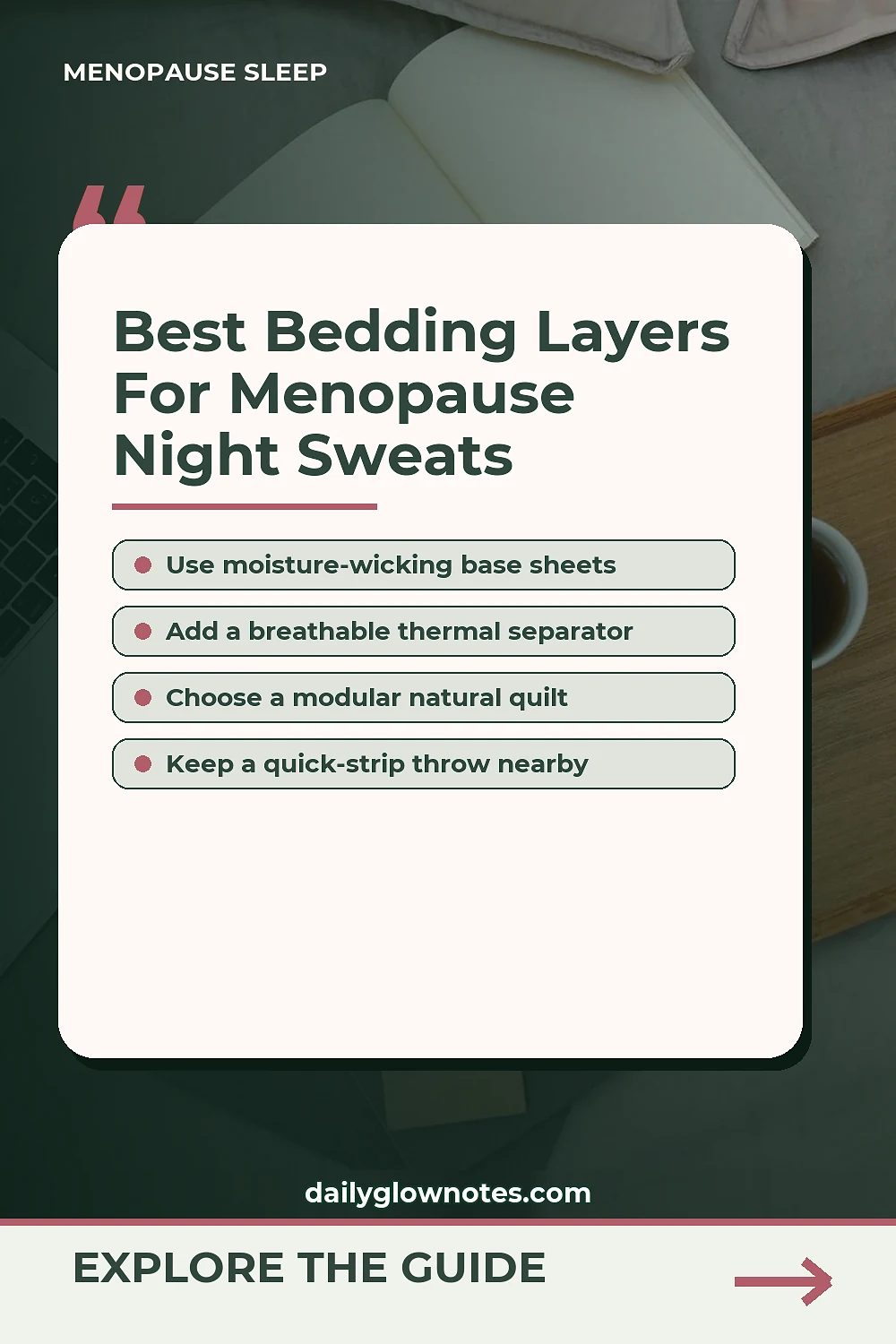
Creating a sanctuary of calm also involves tactile choices. Layering your sleep space with breathable, natural textiles makes all the difference when managing unpredictable warmth. Opt for materials like 100% cotton, linen, or bamboo, which wick away moisture and allow your skin to breathe naturally throughout the night. For a deeper dive into adjusting your bedding layers for seasonal or hormonal shifts, you might explore our guide on the 4-layer bedding system for menopause night sweat comfort, which details how to mix and match breathable fabrics to maintain an optimal thermal zone.
Unwinding the Nervous System with Gentle Sensory Cues
As evening settles in, physical relaxation starts with dimming bright overhead lights in favor of warm, soft lamps. Harsh lighting can subtly trigger alertness, making it harder for your body to wind down naturally. Swapping screens for a paperback book helps quiet mental chatter and lowers cortisol levels, creating a mental buffer between the stresses of the day and the restorative hours of the night.
Consider incorporating a warm, not hot, shower or bath into your pre-sleep schedule. Water that is too warm can elevate your core body temperature, so opt for a comfortable, lukewarm rinse that relaxes tense muscles without overheating your skin. Taking time for a gentle stretching session or practicing slow, diaphragmatic breathing while sitting on the edge of your bed can further release physical tension held in the shoulders, neck, and jaw. Pairing this with a soft, loose-fitting cotton nightshirt ensures your skin breathes freely right from the start of your evening.
Pacing Your Evening Energy and Nutrition
Midlife vitality often fluctuates, and late-night fatigue can collide with a second wind of evening anxiety. Pacing your energy in the final hours of the day helps prevent midnight awakenings. Heavy, spice-laden meals or a glass of wine close to bedtime can dilate blood vessels, increase heart rate, and intensify nighttime warmth, making it much harder to achieve deep, uninterrupted sleep.
Instead, focus on light, hydrating evening snacks if needed, and keep a cool glass of water on your nightstand to sip if you wake up thirsty. Herbal teas such as peppermint, chamomile, or lemon balm can also provide a soothing ritual without causing digestive strain. If you are planning daytime activities or weekend errands that might drain your stamina, keeping travel pacing in mind can also preserve your evening calm; for instance, managing temperature shifts on the road is just as vital as indoor comfort, as detailed in our tips on road tripping in perimenopause: managing car cabin heat and comfort.