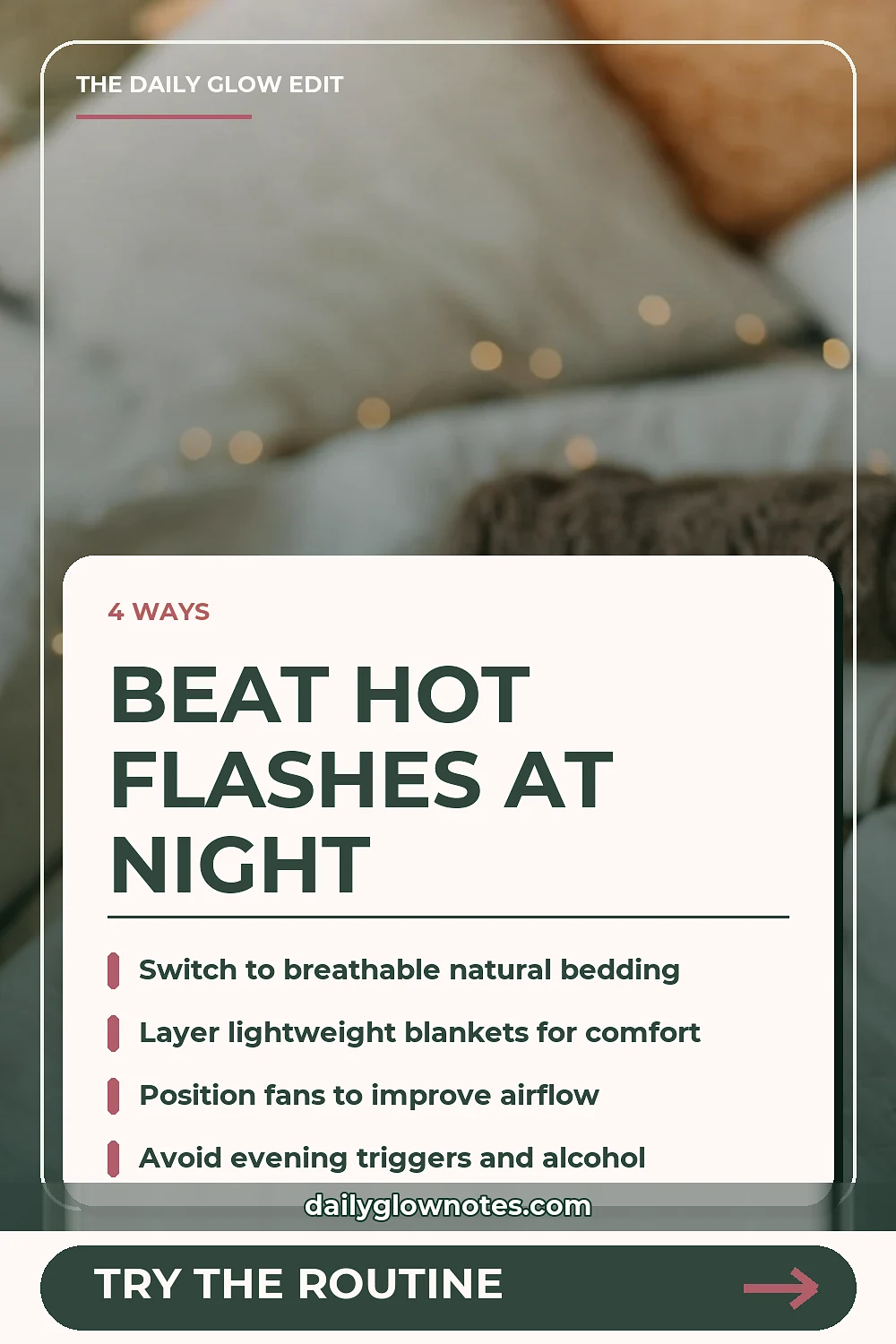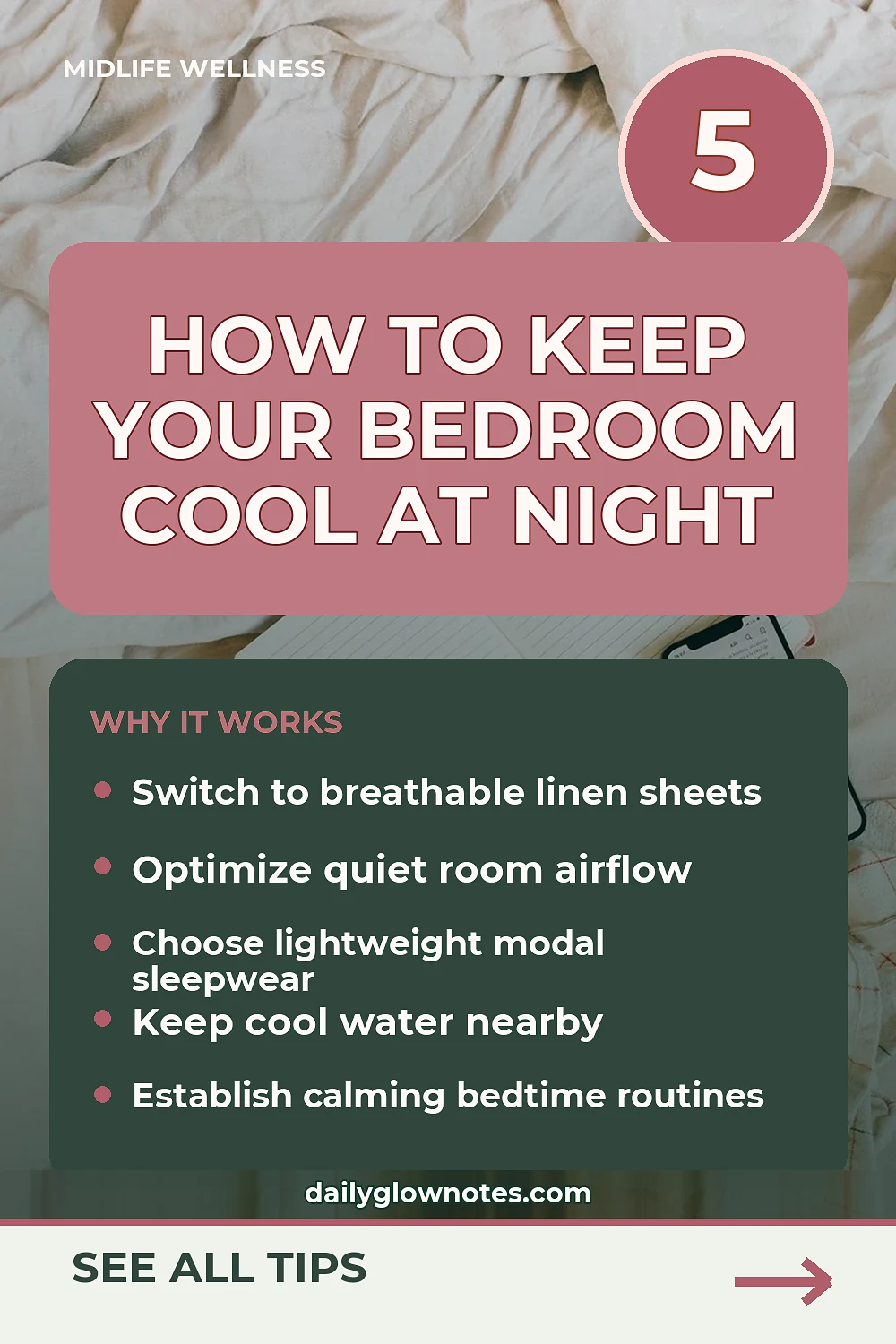

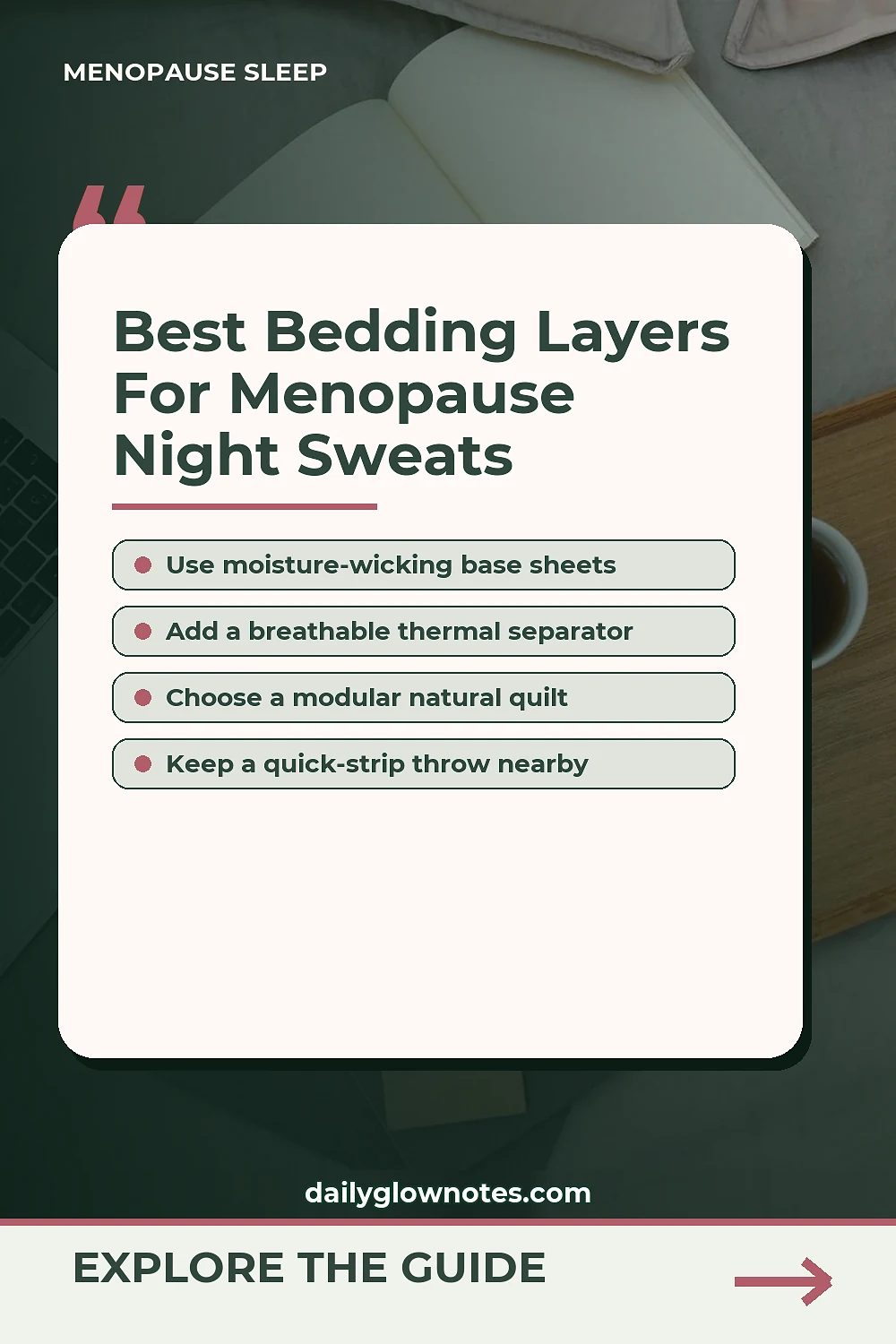
Navigating nocturnal temperature spikes can turn a restful night into a frustrating cycle of waking, tossing, and trying to find a cool spot on the mattress. When midlife changes bring unpredictable warmth, standard bedding setups often trap heat and moisture, leaving you feeling damp and uncomfortable. Creating a night sweat bedding layering system for menopause provides a practical physical solution. By moving away from heavy, singular duvets and adopting a strategic multi-layer textiles approach, you can manage your microclimate without fully waking up or disrupting your deep sleep cycles.
Understanding the Thermodynamics of Night Sweats
The core challenge during a midlife temperature spike is managing both ambient heat and moisture buildup. Traditional synthetic fabrics trap body heat and inhibit airflow, creating a humid microclimate right against your skin. When you experience a sudden wave of warmth, moisture accumulates, and if your bedding cannot wick it away quickly, you are left tossing and turning in damp linens. Shifting toward natural, breathable textiles changes how heat dissipates. Materials like pure linen and long-staple cotton allow air circulation, helping your body regulate its temperature naturally throughout the evening.
Layer 1: The Moisture-Wicking Base Sheet
Your foundation matters most when managing night sweats. The first layer sits directly against your skin and must prioritize moisture management above all else. Opt for pure linen or high-density percale cotton sheets rather than sateen or synthetic blends. Linen possesses natural thermoregulating properties, meaning it feels cool to the touch and allows air to move freely. As moisture is released from the skin, a high-quality linen or crisp percale base absorbs and disperses it rapidly, preventing that clinging, damp sensation that startles you awake in the middle of the night.
Layer 2: The Lightweight Thermal Separator
Instead of relying on a heavy blanket or a single thick duvet, the second layer acts as a breathable spacer. A loose-weave cotton waffle blanket or a light gauze throw works exceptionally well here. This layer traps minimal air while creating distance between your moisture-wicking base sheet and your heavier top covers. If a temperature spike hits, this middle barrier allows trapped body heat to escape upward rather than baking against your skin. It also provides enough visual weight and tactile comfort to keep you feeling tucked in and secure without overheating.