
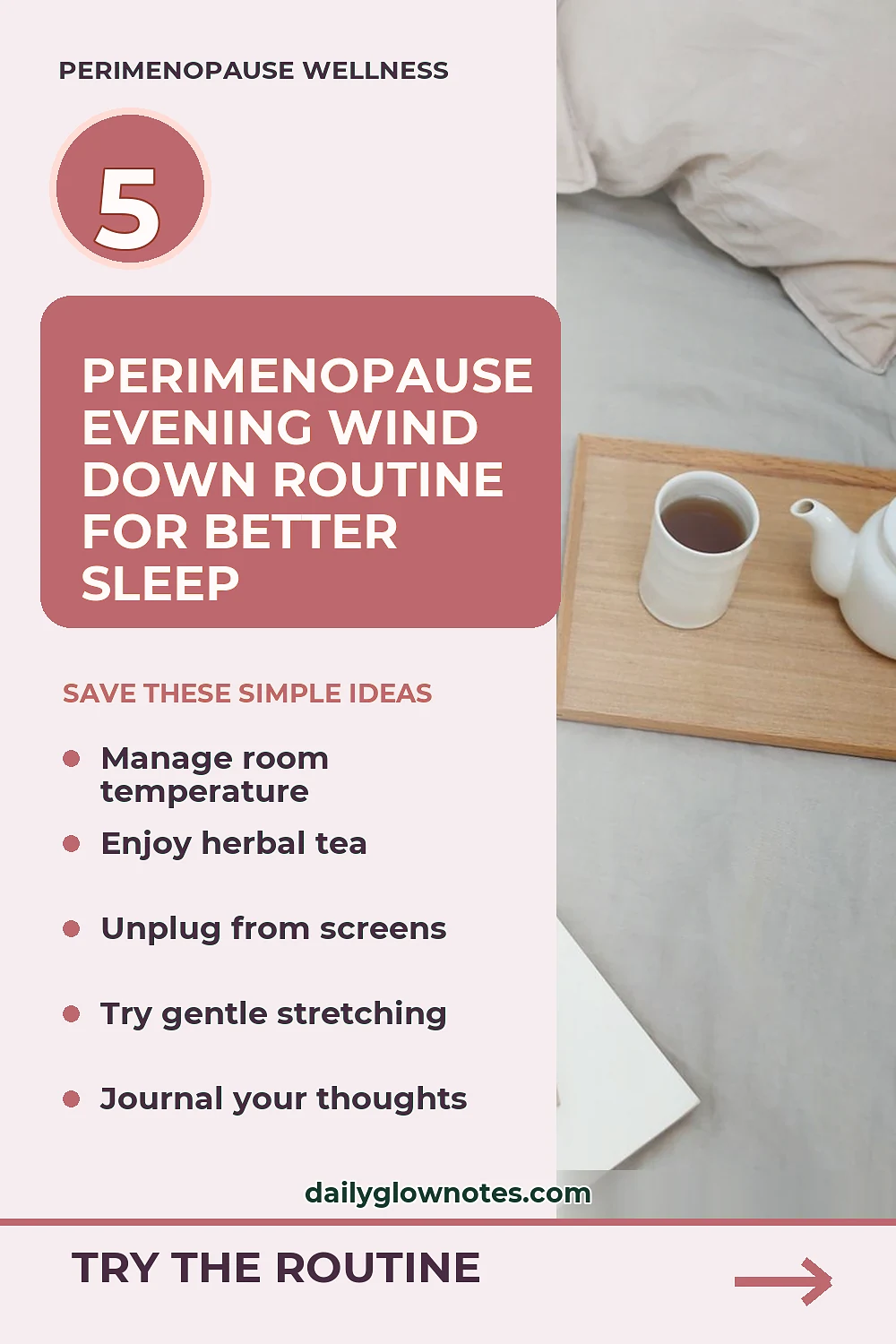
Evenings during perimenopause can sometimes feel unpredictable. Just as you are ready to unwind, your mind might race, or physical restlessness can make it difficult to settle down. Crafting a dedicated perimenopause evening wind-down routine helps signal to your nervous system that the day is coming to a close. By dimming the lights, turning off screens early, and creating a quiet sanctuary in your living room or bedroom, you give your body the gentle cues it needs to transition toward restorative rest.
Creating a Sanctuary for Evening Rest
Establishing this transition doesn't require a rigid schedule or complicated steps. Instead, think of it as an intentional pause. When you step away from the demands of the day and enter a soothing environment, you allow your breathing to slow and your muscles to relax. This intentional space acts as a buffer between your busy daytime responsibilities and a peaceful night.
Setting the Scene with Temperature and Comfort
Shifts in internal temperature are a common part of the midlife transition, making environmental comfort an essential component of any evening routine. Keeping your living space cool, wearing breathable layers, and utilizing natural fabrics can make a noticeable difference in how relaxed you feel as night approaches. A soft throw blanket within arm's reach provides cozy warmth when you want it, while an open window or gentle fan helps maintain a comfortable airflow.
Beyond physical temperature, tactile comfort plays a powerful role in relaxation. Wrapping your hands around a warm ceramic mug filled with caffeine-free herbal tea—such as chamomile, peppermint, or lemon balm—offers a comforting sensory anchor. This simple ritual grounds you in the present moment, inviting your shoulders to drop and your jaw to unclench as you sip slowly in the quiet evening light.
Unplugging and Quieting a Busy Mind
Mental restlessness often accompanies the physical changes of perimenopause, making the evening hours a time of reflection that can occasionally veer into worry or overthinking. Stepping away from smartphones, tablets, and computers at least an hour before bed helps reduce cognitive stimulation. Instead of scrolling through news feeds or work emails, try opening an unread book or spending a few quiet minutes journaling.
If tracking your changing patterns and daily well-being helps you feel more grounded, you might appreciate taking a look at a low-pressure guide to tracking your wellbeing in midlife for gentle ways to check in with yourself without adding stress to your plate. Putting pen to paper can help clear lingering thoughts from your mind, transferring them off your shoulders and onto the page so they no longer demand your attention as you try to fall asleep.